By: Aja Beyai
The Alkamba Times, one of the country’s leading online news platforms, held a day-long training for its reporters and editors on election reporting and fact-checking on Saturday, intensifying preparations for The Gambia’s presidential election set for Dec. 5, 2026.
The in-house training took place at the Gambia Press Union (GPU) offices in Tabokoto under the theme “Truth in the Journey Toward the Ballot: Preparing Journalists for Accurate, Ethical, and Independent Coverage of the 2026 Presidential Elections.” Sessions covered the ethical and legal framework for election reporting, fact-checking techniques, journalists’ role in countering misinformation, disinformation, and malinformation, and practical exercises based on real claims and scenarios.
Founder and Editor-in-Chief Sainey M.K. Marenah told participants the training was deliberate preparation for the most demanding form of journalism, not routine training.
“Today we gather not merely as journalists, but as custodians of a public trust at a decisive moment in our nation’s democratic journey,” Marenah said. “What we report between now and then and how we report it will shape how citizens understand their choices, how they trust the process, and how history will judge this election.”
He warned that in an election season information becomes both a public good and a potential weapon, with rumors often traveling faster than verified facts. “Our duty is not to amplify noise. Our duty is to separate what is true from what is merely convenient, popular, or strategically useful.”
Marenah outlined three pillars for coverage: accurate reporting, which means getting the numbers right, quoting people correctly, describing events as they occurred and resisting speculation; ethical reporting, which requires refusing to let personal preferences, friendships or political sympathies color published work; and independent reporting, which means answering only to readers and the public interest.
“‘Unraveling the Truth’ is not a slogan we put on a logo and then forget,” he said. “It is the daily discipline of asking hard questions, checking and double-checking, and publishing what we find even when it is uncomfortable for those in power or for those who seek power.”
He stressed that fact-checking is central, not optional. Major claims by candidates, party spokespersons, government officials or social-media influencers must be tested against available evidence. Unverified information should be clearly labeled as such, and false or misleading claims corrected promptly and prominently. “Silence in the face of falsehood is not neutrality; it is a choice that favors the falsehood.”
GPU President Isatou Keita said the training comes at a crucial moment when expectations of journalists are high. She urged reporters to help ensure a transparent, free and fair process while maintaining peace.
Keita cautioned against prioritizing speed over verification. “We need to create a balance between being the first person to break the news and breaking the news that might have consequences on the lives of those that consume the information,” she said. “Whatever we put out there will have a lasting impact.”
She noted that every source has an agenda and must be questioned. Public trust is at stake amid allegations that political parties pay journalists. “If we make it too easy for people to question our integrity, it puts a question mark on not only the person or the media house, but the entire media landscape.”
Comparing information to food, Keita said journalists must prepare it so it is fit for consumption. “Integrity comes first. Once you lose your integrity in terms of the work that you are doing, you can never regain that again. Even if it takes forever for you to be able to publish that information, let it be verified as much as possible before you put it out to the public.”
Deputy Editor and Head of Newsroom Yahya Baldeh said the training deliberately focused on areas needing adjustment as the country approaches the ballot. He argued that elections are sensitive and journalists can be carried away by excitement, so coverage should center on policies and programs rather than insults or infrastructure alone.
“We want to know what policies they have, what programs they have, and, away from infrastructural development, what other issues- the bread and butter issues that matter to Gambians,” Baldeh said. “We are not interested in giving prominence to a certain politician insulting their opponent. We want to know what they will do for the people.”
He encouraged reporters to interview candidates and voters directly rather than waiting for parties to organize rallies, and to let politicians and voters speak through the stories. On accuracy, he warned that even media reports are now fact-checked by others. “If you report something that is not right, you are going to put yourself in trouble… Even if it will take you two days, five days, get the accuracy. Go to the people that actually matter. And multiple sourcing is very, very important.”
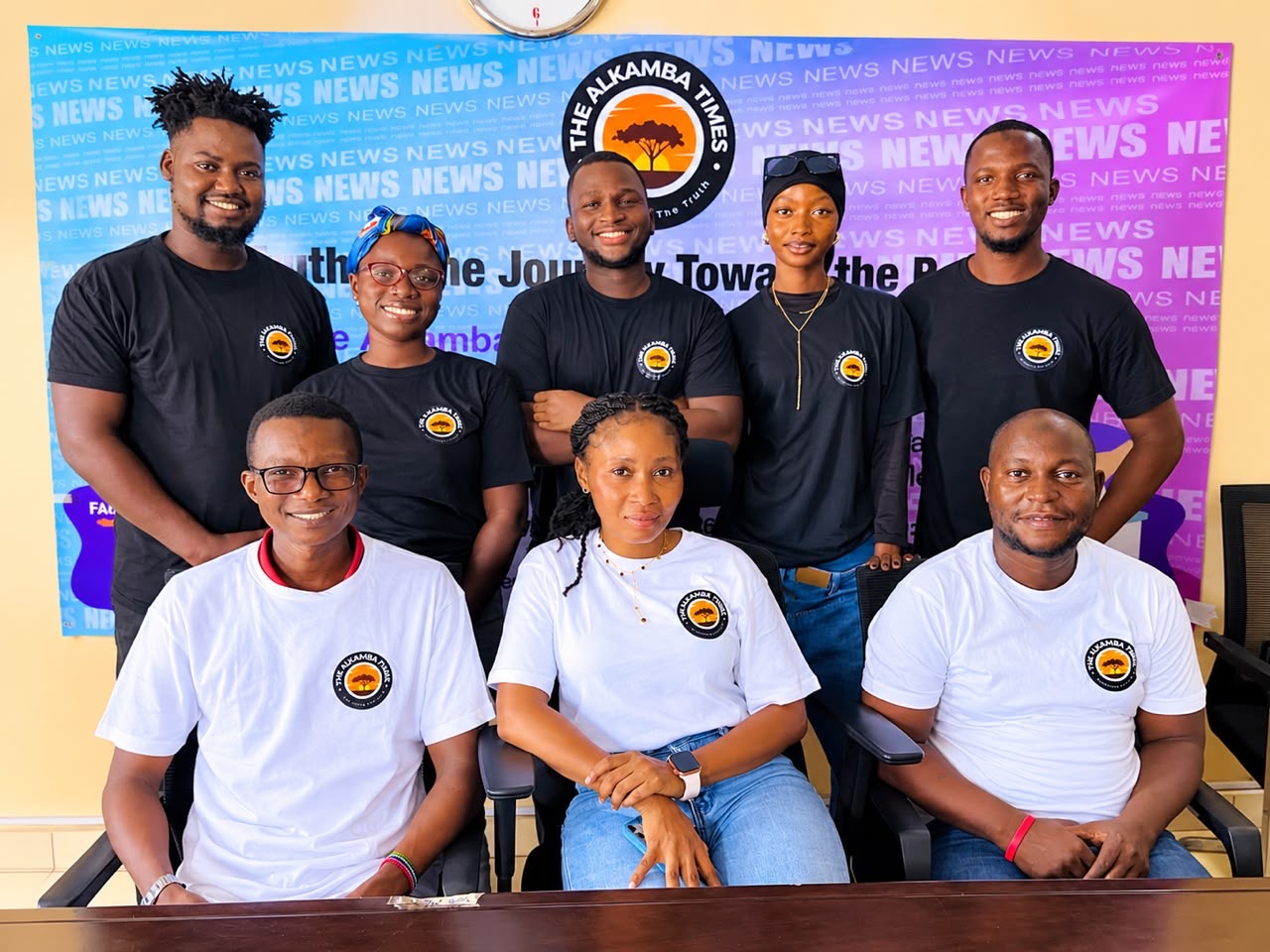
The training included interactive sessions led by Veteran Gambian Journalist and Editor Ebrima Jatta on election campaign reporting and Omar Saibo Camara, Executive Director of Infochecked, on the basics of fact-checking. It concluded with a group photograph and reflection on the critical role journalists play in elections. Marenah closed by urging the team to recommit to reporting the truth as best it can be established, without fear or favor.