By: Kebba Ansu Manneh
Stakeholders across The Gambia’s fisheries sector, including media representatives, have urgently called on the government to sign a Memorandum of Understanding (MoU) with the Fisheries Transparency Initiative (FiTI). The appeal aims to boost transparency in the country’s seas and strengthen protection of its territorial waters through improved surveillance and data collection.
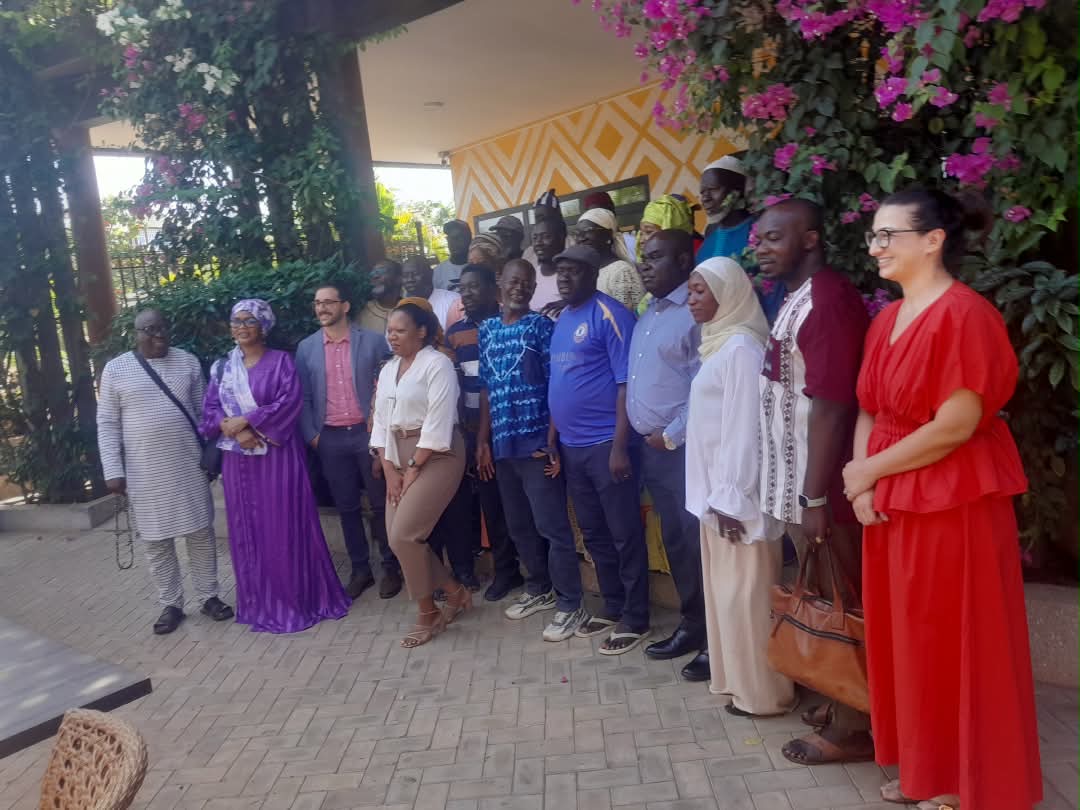
The demand was made at a conference held at a local hotel in Banjul on Tuesday, November 10, 2026. Participants emphasized that joining FiTI would align The Gambia with other coastal nations already implementing global transparency standards in marine fisheries management.
FiTI is a global multi-stakeholder partnership involving governments, industrial fishing companies, small-scale fishing associations, civil society groups, and intergovernmental organizations. It promotes sustainable marine fisheries through greater transparency and collaboration. The initiative helps national authorities improve the accessibility, credibility, and usability of fisheries management information. It complements efforts such as seafood traceability and vessel monitoring while offering the only globally recognized transparency standard focused on access to information, stakeholder collaboration, inclusive governance, and accountability in marine fisheries.
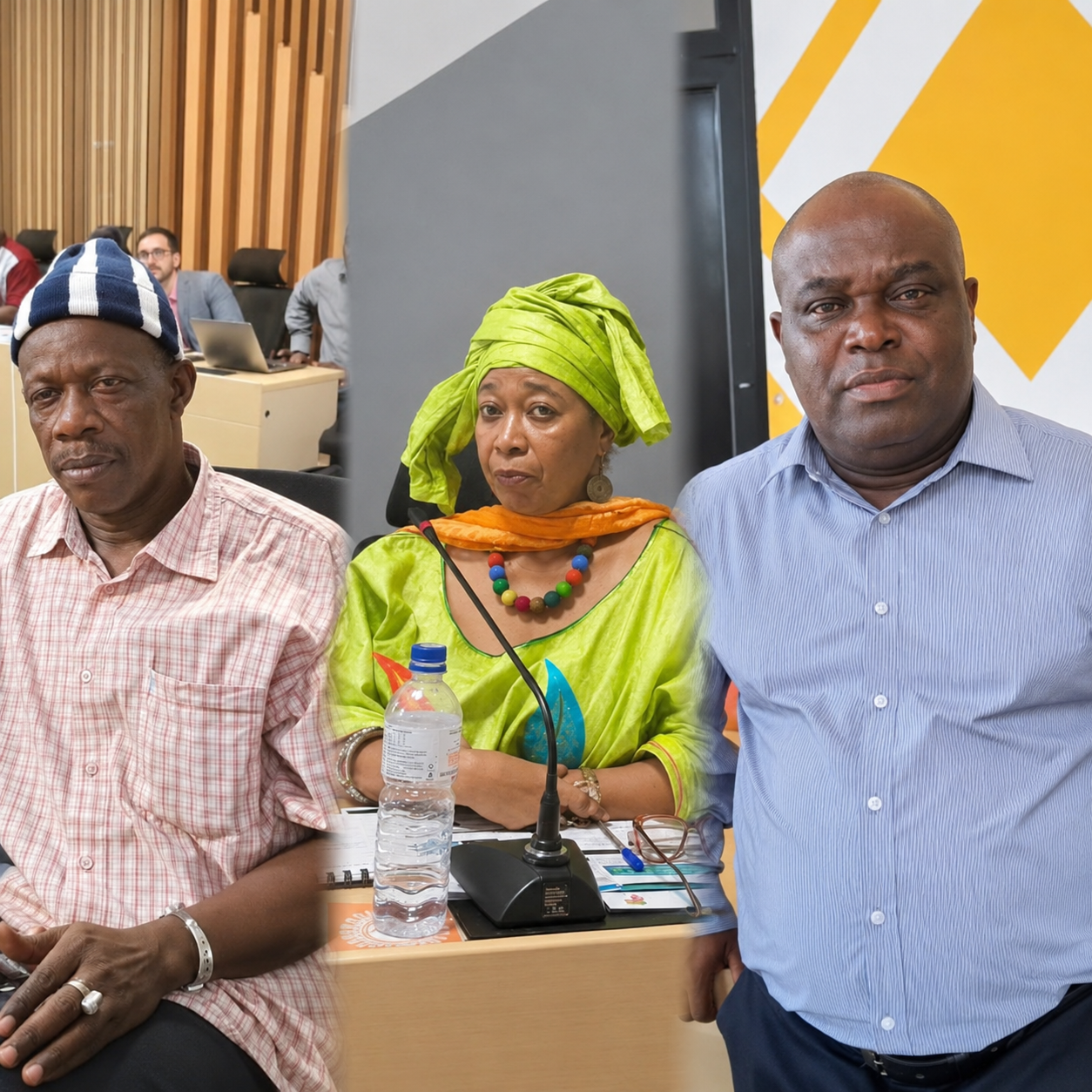
Dawda Foday Saine, Secretary General of the African Confederation of Professional Organizations of Artisanal Fisheries (COAPA), described FiTI as well-grounded in resource management, research, policy development, and regulatory frameworks. He said the organization’s engagement in The Gambia seeks to raise awareness among government officials, parliamentarians, civil society, fishermen, women fish workers, processors, traders, and other stakeholders about the importance of transparency in marine waters.
“Transparency is critical for The Gambia because it builds trust among stakeholders in the fisheries sector,” Saine stated. “Once stakeholders and investors have confidence in the country, it has the potential to attract donor partners and agencies to provide the needed support. Enormous opportunities await The Gambia once it becomes a full-fledged member of FiTI.”
He outlined the membership process: a country must send a letter of intent, sign an MoU, and form a Multi-Stakeholder Group (MSG). The MSG, comprising fishermen, journalists, non-governmental organizations, and other stakeholders, advises the government on data, laws, regulations, and information publication related to FiTI standards.
“It is very important to be part of this international organization that ensures transparency in the management of our marine resources. This is why stakeholders are calling on the government to expedite the signing of the MoU with FiTI,” Saine said on the sidelines of the event.
Godfred Ameyaw Asiedu, FiTI Regional Coordinator for Anglophone Africa, confirmed that the organization supports coastal states in enhancing transparency for better fisheries governance. He noted that FiTI is already active in West African countries including Liberia, Ghana, and Sierra Leone, and is open to partnering with the Gambian government and the Ministry of Fisheries and Water Resources.
Asiedu explained that full membership begins with a demonstrated commitment through the signing of an MoU, after which FiTI admits the country and supports the formation of a national MSG to oversee operations. Benefits include global recognition for sustainable fisheries management, increased trust, and greater potential to attract investment.
“If the world knows that Gambia is doing the right thing to safeguard its fisheries resources, then investment becomes attractive. Improving transparency in management will go a long way to address many of the challenges that have been discussed in the sector,” he observed. He expressed hope that the Gambian government would join FiTI and encouraged stakeholders to continue engaging authorities to secure the MoU.
Amie Ceesay, President of the Federation of Gambia Women in Fisheries, also urged the government to take all necessary steps to become a member. She noted that a lack of transparency and limited data continue to harm the country and hinder progress in the fisheries sector.
“Joining FiTI will go a long way in safeguarding the meager marine resources of the country for now and for posterity,” Ceesay said. She called on all stakeholders to unite in advancing The Gambia’s membership.
Conference participants stressed that membership would prepare stakeholders to engage government and local authorities more effectively on access to information, licensing, and other FiTI standards, while obliging authorities to share relevant data publicly to support improved fisheries management.