By Sainabou Sambou
The Grand Alliance has launched its joint manifesto for the 2027–2031 presidential term, setting out a five-year development agenda that centers on the creation of 150,000 decent jobs, a sharp rise in local food production, near-universal access to safe drinking water, and the mobilization of more than 20 billion dalasis in development financing.
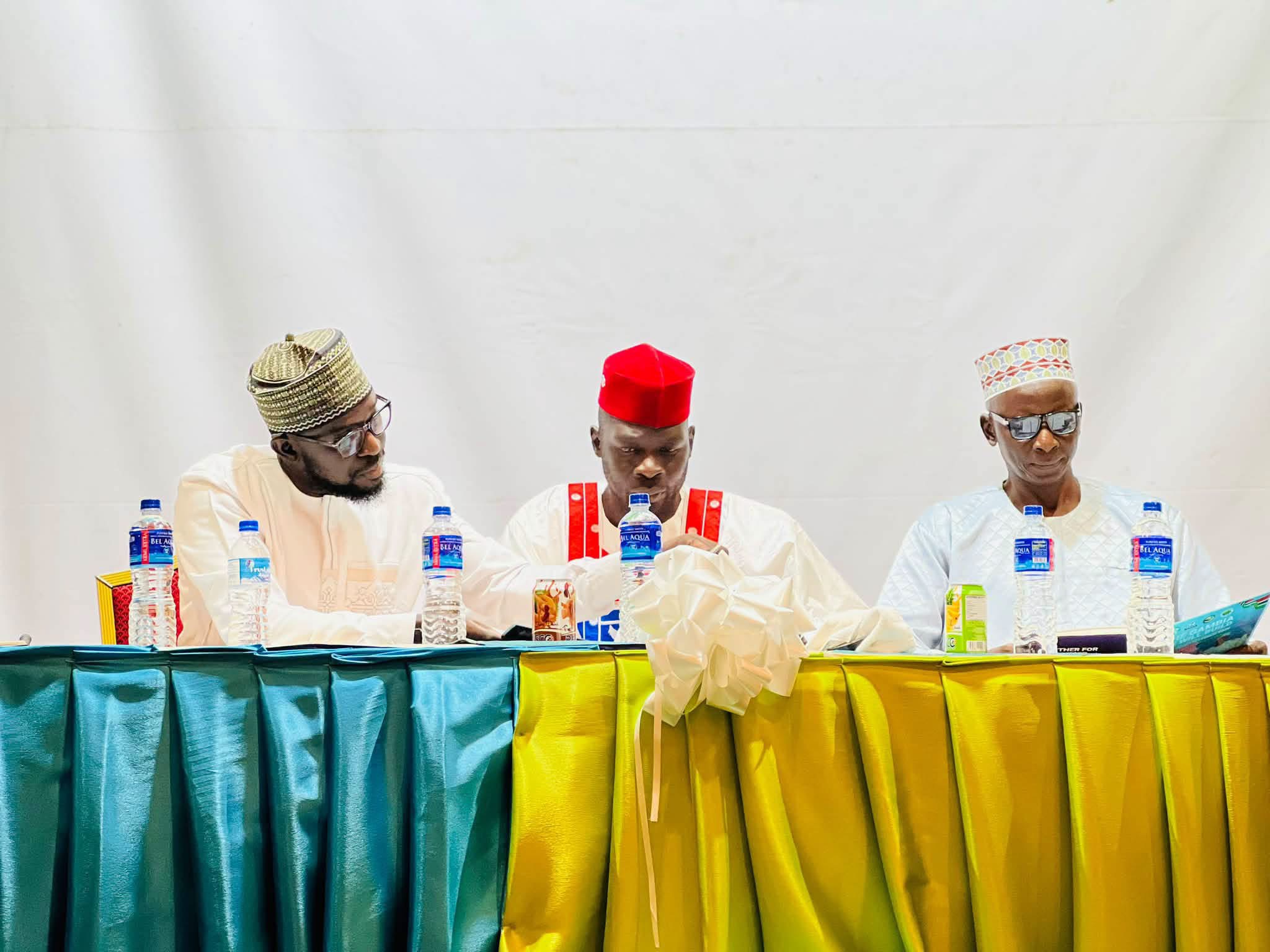
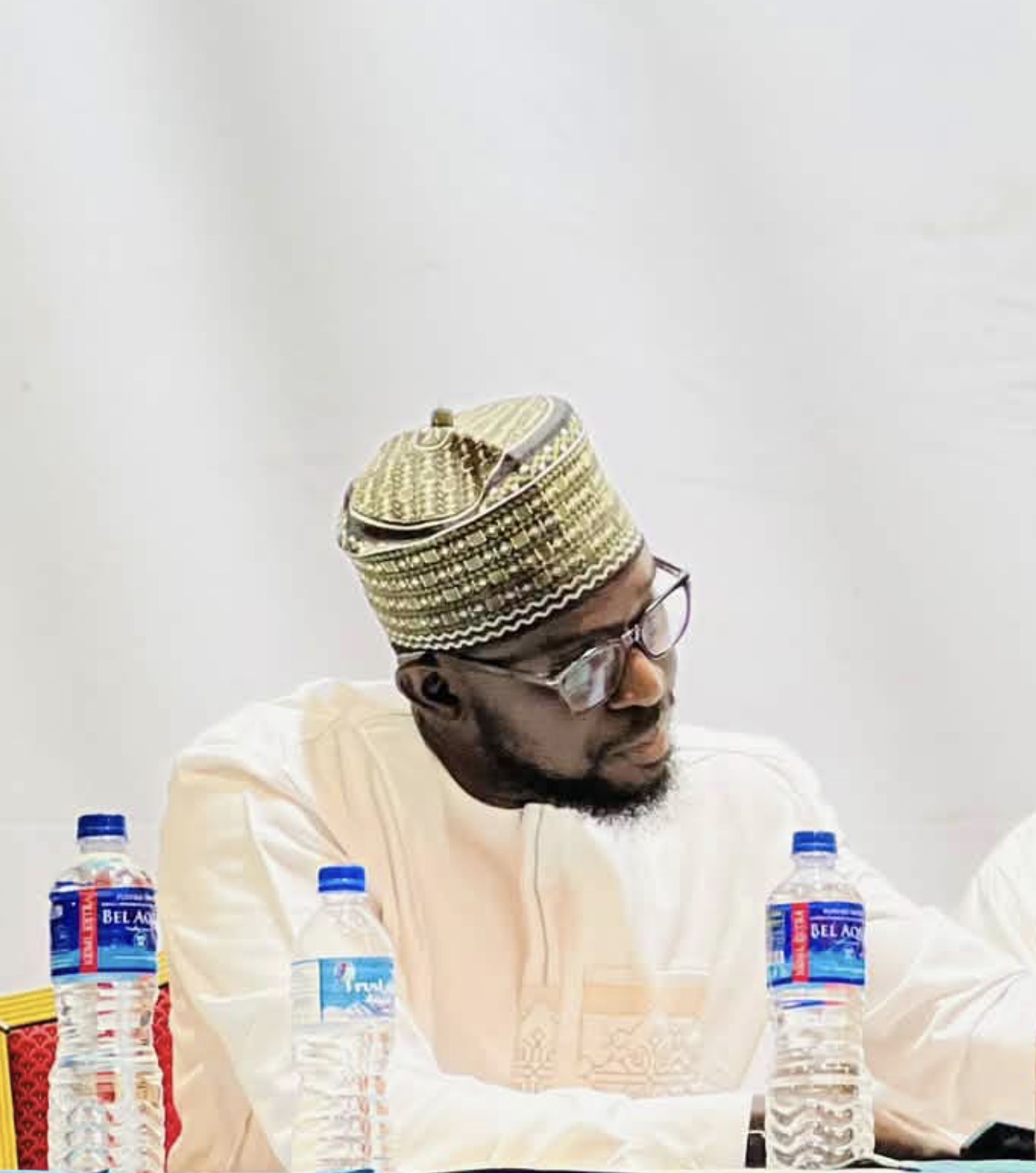
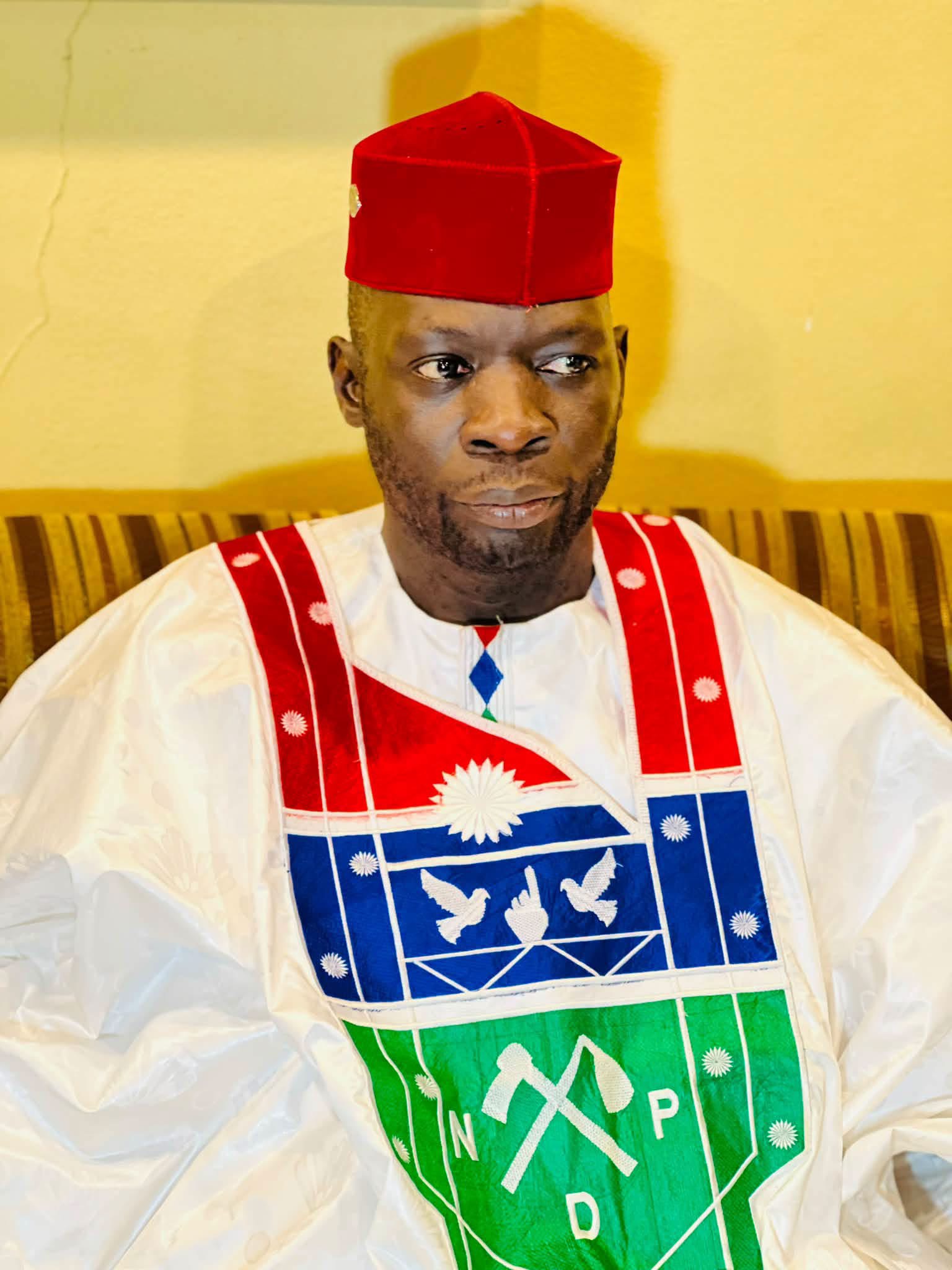
The document, titled “The Gambia We Will Build,” was presented on Tuesday during the launch at the Kairaba Beach Hotel in Kololi by Ousainou Allen, leader of the National Alliance for Accelerated Advancement (NAFAA). Allen read out the coalition’s policy priorities and implementation commitments. The Alliance’s presidential flag bearer is Kebba Madi Bojang.
The manifesto rests on two interlocking pillars: cultural renaissance and economic sovereignty. Allen argued that national development must begin with a clear understanding of Gambian identity, history, and values rather than imported models that have failed to take root. He pointed to the ancient Ghana, Songhai, and Mali Empires as evidence that the region once had sophisticated systems of governance, law, agriculture, and trade. Colonialism, he said, interrupted those systems and left African states searching for development pathways that often ignored their own social realities.
“Cultural renewal is not about rejecting useful ideas from elsewhere,” Allen said. “It is about recognizing that Gambians have their own identity and must build a development model that reflects who we are.” He insisted that the country’s greatest assets remain its people, the River Gambia, abundant sunlight, Atlantic coastline and strategic location. Economic sovereignty, he explained, means using those assets to build productive capacity while still engaging in mutually beneficial partnerships abroad.
Shared prosperity forms a recurring theme. Allen criticized a pattern in which access to public office produces rapid personal enrichment while ordinary citizens see little improvement. The Alliance, he said, wants growth that creates real opportunities for small producers, traders and workers.
Food sovereignty is listed among the highest priorities. Despite fertile land and available water, The Gambia still imports a large share of its food. The manifesto sets a target to meet at least 50 percent of national food needs from domestic production within five years, with special emphasis on rice, millet, eggs and chicken. Allen stressed that production alone is insufficient; the coalition intends to industrialize agriculture through local processing and value addition so that raw harvests generate jobs and reduce import dependence.
Reliable electricity is presented as a prerequisite for that industrialization. Without power that can serve households, businesses and factories, the manifesto warns, productivity gains will remain limited. On financing, the Alliance proposes mobilizing more than 20 billion dollars through a mix of diaspora investment, private capital, and other non-debt instruments. Allen cited Ethiopia and Turkey as examples of countries that have experimented with alternative financing arrangements. He said reducing debt-servicing pressure is essential if development spending is to be sustained.
Support for small and medium-sized enterprises is framed as a practical route to job creation and middle-class expansion. Allen used the example of a tailoring workshop employing three people that could grow to ten with better access to capital, skills and markets. He argued that similar potential exists among barbers, hairdressers and other neighborhood businesses.
Measurable targets include 150,000 decent and productive jobs, 90 percent national coverage for safe drinking water, and 95 percent child immunization. Allen added that medicines and vaccines entering the country must be properly scrutinized and that local pharmaceutical capacity should be developed as part of broader economic sovereignty.
On infrastructure, the manifesto prioritizes both new roads and rehabilitating existing ones, especially in productive agricultural and commercial zones. Poor roads, Allen noted, cost workers hours each day and reduce overall economic output; development should therefore be judged by efficiency gains, not merely kilometers built.
Education policy occupies substantial space. The Alliance wants at least 25 percent of school-going children enrolled in Technical and Vocational Education and Training. Allen questioned converting the Gambia Technical Training Institute into a university, arguing that the country still needs specialized technical institutions to train bricklayers, mechanics, site supervisors and other skilled workers alongside university graduates.
He also proposed a “third stream” in the formal education system to recognize students in traditional Daras and Majalis. A 2019 study, he recalled, found more than 150,000 learners in such centers; excluding them, he said, leaves a large segment of the population outside national support.
Beyond classrooms, the cultural renaissance pillar calls for greater attention to heritage, arts, crafts and civic responsibility. Allen maintained that a development agenda must reflect the social character of Gambian communities if citizens are to feel ownership of the national project.
The Grand Alliance comprises four parties: the National Democratic Party, which leads the coalition; NAFAA; the National Alliance for Reconciliation and Development; and the Gambia Labor Party. With Kebba Madi Bojang as flag bearer, the group presents the manifesto as a five-year blueprint.
Allen acknowledged that practical realities of governance may require adjustments, but insisted the central goal remains a sovereign, united, and prosperous Gambia built through cultural renewal, economic independence, and shared prosperity.