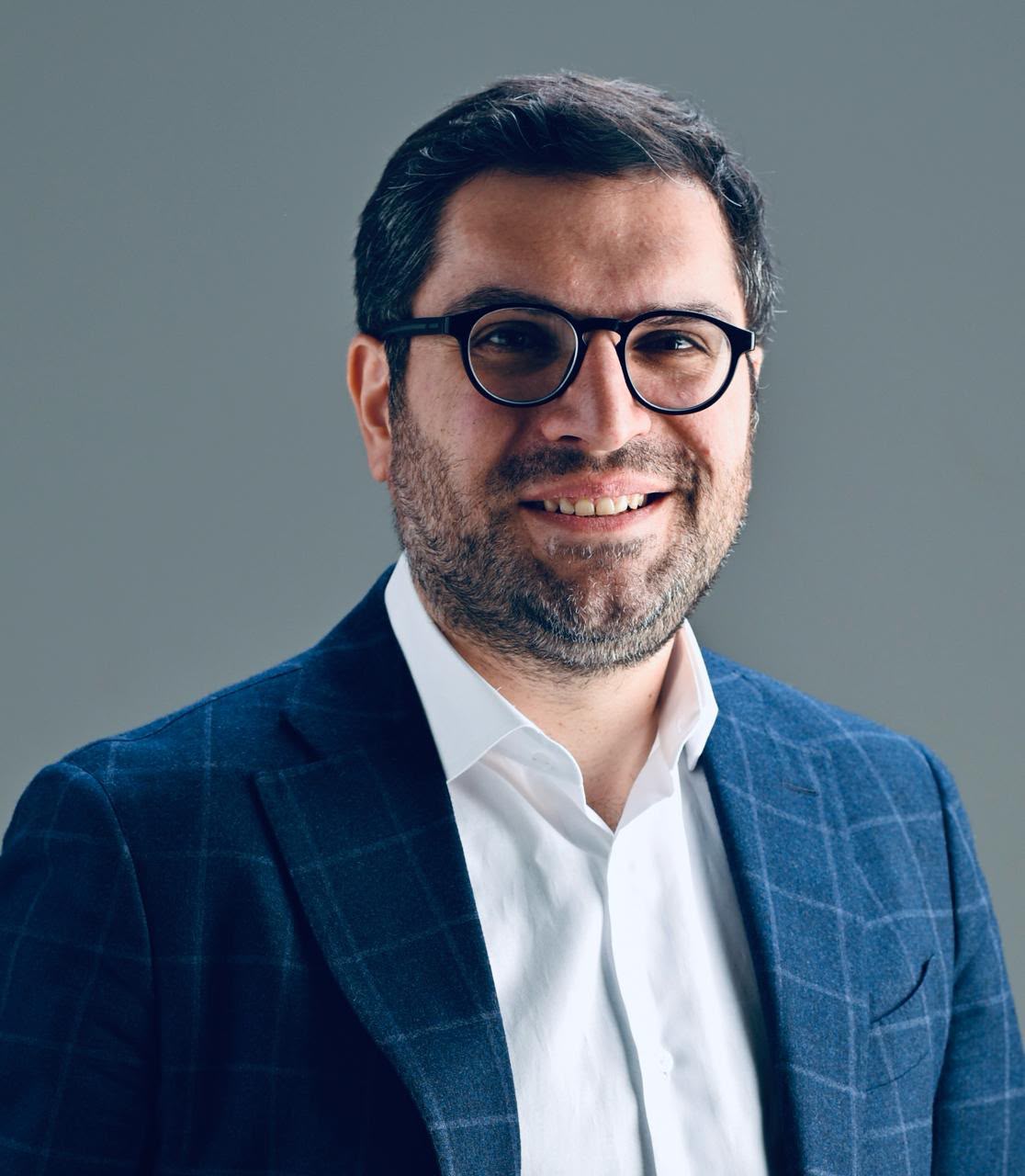
Armenian pediatric oncologist Gevorg Tamamyan has emerged as the frontrunner in an independent assessment of the seven candidates vying to become the next Director-General of the World Health Organization, scoring 12 of 14 points on a newly updated scorecard.
Former WHO Director-General Special Advisor Peter Singer placed Botswana’s nominee four points ahead of his nearest rivals in a November 15 analysis published on Global Health Insights, noting that Tamamyan’s rating doubled following the November 12 release of his reform program, “Geography Must Not Decide Who Lives.”
The ranking arrives days before the November 18–19 WHO candidates’ forum, where Member States will question all seven contenders on their visions for leading the Organization. Singer’s scorecard evaluates candidates against two overarching priorities: delivering more measurable results and reducing political interference in WHO’s work. It focuses on whether proposals move beyond problem identification to concrete, independently verifiable reforms. Singer describes this as the “2030 test”—whether a commitment is specific enough that observers can determine by 2030 whether it has been implemented and is functioning as intended.
According to the analysis, Tamamyan’s newly published program produced a notable shift in the race. He became the first candidate to earn the highest rating for measurement after outlining specific health targets with clear deadlines. These include diagnosing at least 90 percent of expected childhood cancer cases in participating countries, reducing treatment abandonment below 10 percent, and achieving 80 percent availability of approximately 30 essential medicines at designated health facilities by 2032. Singer also highlighted Tamamyan’s proposals for annual public reporting by WHO leadership, establishing regional manufacturing partnerships across all six WHO regions by 2030, independent oversight of scientific advice, and applying consistent verification standards across countries and conflicts.
Beyond the numerical ranking, the scorecard raises broader questions about the qualities that should define effective leadership at WHO. While diplomatic influence has historically played a significant role in the election, the assessment challenges candidates to show how their proposals would produce measurable improvements in global health outcomes. Singer argues that Tamamyan has now set a benchmark through targets, deadlines, and mechanisms that can be independently checked, and he has called on other candidates to meet the same standard.
The analysis also identifies gaps that apply across the field. No candidate has yet received the highest rating for proposals addressing accountability across the wider global health ecosystem or for measures aimed at keeping WHO out of domestic partisan disputes. Singer emphasizes that the scorecard measures only the specificity of candidates’ publicly stated commitments, not their overall qualifications or likelihood of winning the election. He explicitly states that he is not endorsing any candidate. For transparency, he discloses that he reviewed Tamamyan’s program before publication and has offered the same opportunity to all other candidates.
Nominated by the Republic of Botswana, Gevorg Tamamyan is the only cross-regional candidate in the race. The seven contenders will face WHO Member States at the upcoming forum. The WHO Executive Board will then narrow the field to a maximum of three candidates during its session from January 25 to February 2, 2027, ahead of the final election in May.
As the selection process advances, Singer’s analysis poses a central question to Member States: who can demonstrate not only a vision for WHO’s future, but a credible, measurable plan to deliver it? The other six candidates are Dr. Hanan Mohammed Al-Kuwari of Qatar, Dr. Hanan Balkhy of Saudi Arabia, Dr. Hans Henri P. Kluge of Belgium, Dr. María P. Neira of Spain, Mr. Budi Gunadi Sadikin of Indonesia, and Dr. Li Song of China.