By: Fatou Dahaba
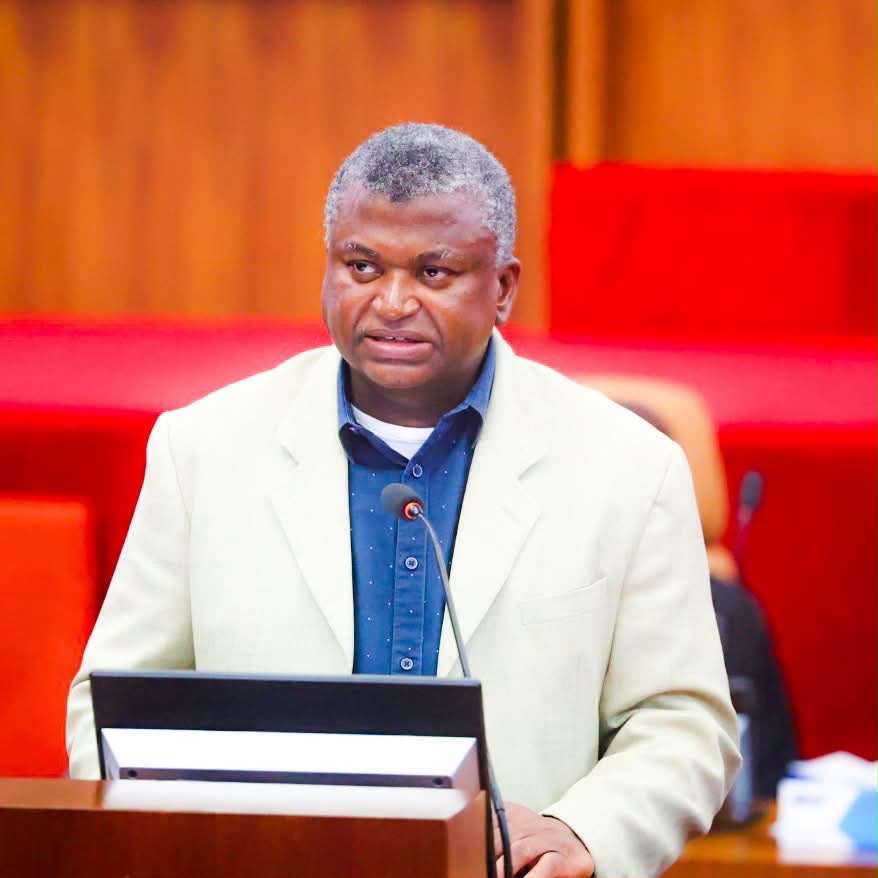
Health Minister Dr Ahmed Lamin Samateh informed the National Assembly on Wednesday that an estimated 25,000 people are currently living with HIV in The Gambia.
Responding to questions from lawmakers during the session for oral answers, he reported that national adult HIV prevalence stands at approximately 1.3 percent, with higher infection rates among key populations including female sex workers, men who have sex with men, and people who use drugs.
Dr Samateh said the country has made progress toward the global UNAIDS 95-95-95 targets—95 percent of people living with HIV knowing their status, 95 percent of those diagnosed receiving treatment, and 95 percent of those on treatment achieving viral suppression—but significant gaps remain in testing, treatment coverage, and viral suppression. More than two-thirds of people living with HIV are aware of their status. About 70 percent of those diagnosed are on antiretroviral therapy, while just over half have achieved viral suppression. He attributed the shortfalls largely to ongoing challenges with treatment adherence and patient retention.
To address access barriers, the Ministry of Health has expanded differentiated service delivery to 77 health facilities nationwide, aiming to make care more accessible and patient-centered. The Ministry has introduced multi-month dispensing of medicines and community refill systems to reduce the need for frequent clinic visits. HIV self-testing, guided by operational protocols validated in 2025, is extending services to hard-to-reach populations and helping to lower stigma-related barriers. In addition, the government trained 60 peer educators and lay counselors in 2026 to support adherence, build trust, and strengthen community outreach.
The minister emphasized that community-level interventions remain central to the national response. These include awareness campaigns, integration of HIV services into maternal and child health platforms, and collaboration with local organizations to improve prevention, testing, and continuity of treatment.
National Assembly members raised concerns about the scale of the HIV burden in a country of roughly two million people, as well as issues of transmission, stigma, counseling, and patient privacy. In response, Dr Samateh urged that HIV be treated first and foremost as a public health and human issue. He stressed that those living with the virus are “our brothers, our sisters, our fathers, our mothers, and our sons and daughters.” He said the ministry’s duty is to ensure all patients have access to treatment, counseling, and confidentiality, regardless of how they acquired the infection.
He added that the health system is working to reduce stigma and protect privacy, including through longer medication supplies for some patients and more discreet delivery systems.
Dr Samateh warned that many people may still be living with HIV without knowing their status and called for compassion, increased testing, and sustained community support. He said the government’s interventions are aimed at improving outcomes and advancing progress toward ending HIV as a public health threat.