By Alieu Ceesay
Politics in rural Gambia was once confined to radio discussions, conversations at village bantabas, and the energy of campaign rallies. As the country approaches another presidential election, however, politics has become far more personal for many young people.
Rural youths spend most of their days farming, yet political discussions increasingly dominate their conversations. Edrisa Nyass, like many of his peers, wants to vote, understand his choices, and have a genuine say in his community’s future. At the same time, he and others wonder whether their voices will matter beyond election day.
Nyass says the upcoming election matters because decisions made in Banjul directly shape life in the villages—from employment and education to roads, healthcare, and access to electricity.
“As a young person living in a rural community, participating in the upcoming presidential election means having a voice in determining the future of my country,” he said. “It is an opportunity to exercise my democratic right and contribute to choosing leaders who can bring meaningful change to our communities.”
He added: “For me, voting is not just about supporting a political party or an individual; it is about choosing leadership that understands the challenges ordinary people face, especially those of us living in rural areas.”
Nyass called on leaders to demonstrate honesty, accountability, transparency, and a genuine commitment to national development rather than making promises only during election campaigns. He insisted that young people should not merely be described as “the future” in political speeches; they must also be part of present decision-making processes.
His experience is not unique. Several young people in rural areas describe politics as both an opportunity and a source of frustration. Some are actively involved in political parties and youth movements, while others say they have little confidence that elections will change their circumstances.
Young people make up a significant portion of The Gambia’s population and electorate, yet their participation in democratic processes goes well beyond casting ballots. In rural communities, many engage through political discussions, community meetings, youth organizations, social media, and campaign activities. Others remain disconnected because of economic hardship, limited information, and distrust in political leaders.
Amie Keita, North Bank Regional Youth Vice Chairperson, said young women face particular barriers, including cultural norms, financial constraints, limited access to leadership opportunities and gender-based discrimination.
“In some communities, politics and leadership are still perceived as male-dominated spaces,” Keita stated. “Young women who express political ambitions may face criticism, intimidation or discouragement.”
For some rural youths, participation is not simply a question of willingness. Economic hardship can make politics feel like a luxury, while limited access to reliable information makes it difficult for voters to assess competing policies. Others complain that political parties often approach young people during campaigns but rarely involve them in decision-making after elections.
Keita added: “We also have the challenge of limited civic education, particularly among young women in rural communities. However, I believe the problem is not a lack of leadership potential among young women, but the lack of adequate opportunities and support to exercise that potential.”
Despite these challenges, rural youths are not politically silent. Across communities, young people use social media, youth associations, community meetings, and political platforms to express their views.
For Alieu Jammeh, Youth Parliamentarian for Foni Berefet District, the upcoming election represents more than an opportunity to choose a president—it is a chance to demand accountability and insist that young Gambians have a role in determining the country’s future.
“Let us all participate because the decision lies within our hands. That is why we always say power is within us. So the only power that we have is a vote,” Jammeh said.
For youths like Alieu Jammeh and Edrisa Nyass, the election will eventually come down to a simple decision at the ballot box. But before that day arrives, they want political leaders to listen to the concerns of young people in communities like theirs—not only when votes are needed, but throughout the political cycle.
The experiences of rural youths highlight a larger question for The Gambia’s democracy: whether young people will remain primarily a powerful voting bloc mobilized during elections or become active participants in shaping policies, holding leaders accountable and influencing political decisions long after the ballots are counted.
The National Center for Civic Education (NCCE) is one of the organizations working to raise public awareness on national issues ranging from health and education to politics and governance. Ansumana Ceesay, NCCE’s Program Manager, said full youth participation in politics can help them feel included and make them less likely to be used for violence, protests, or political manipulation.
“A democracy that leaves out its youth is a democracy that is planning to fail,” Ceesay told TAT.
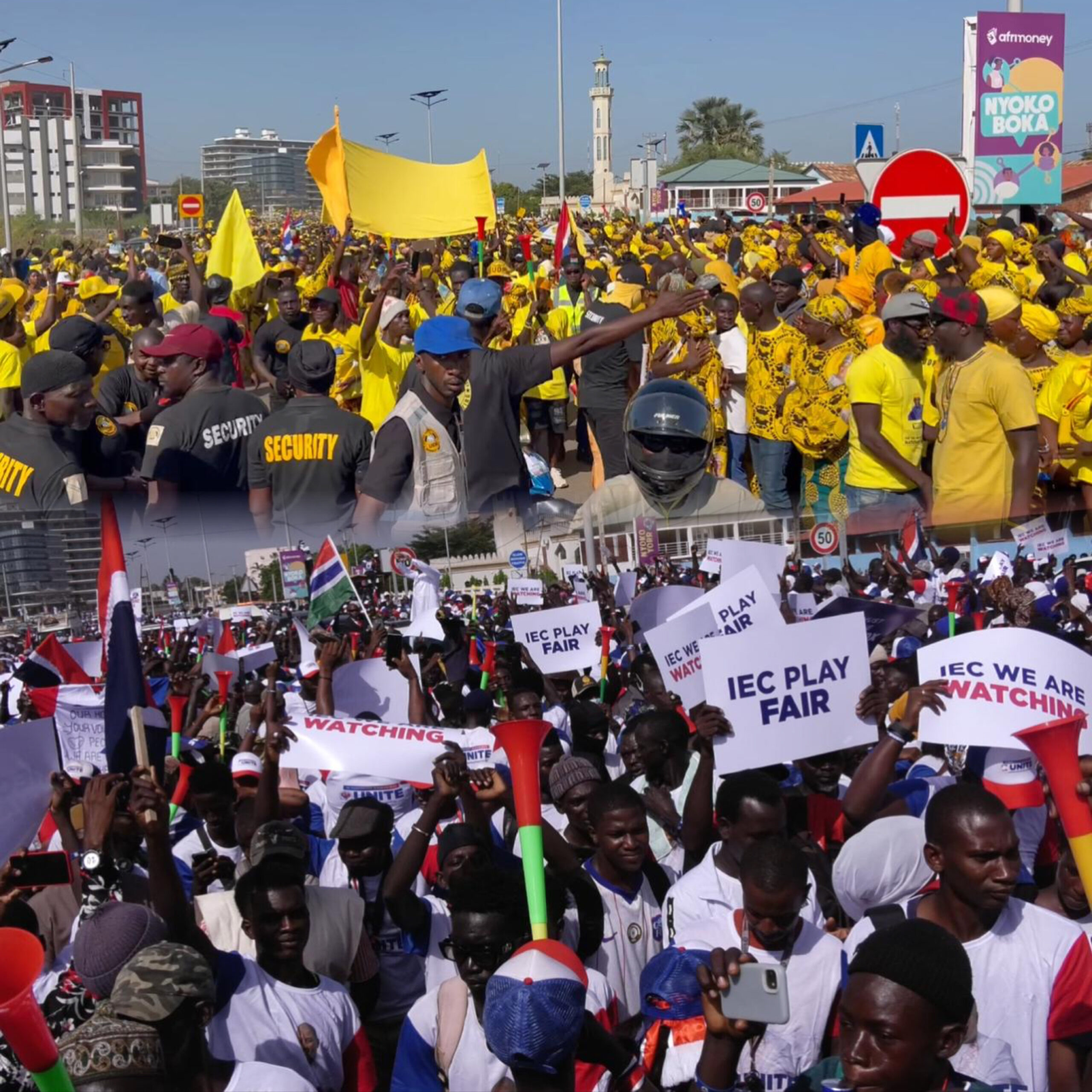
“We need to move youth from the crowd to the table. Give them seats, not just T-shirts. Political parties and councils must reserve youth quotas in executive positions, not just create a youth wing.”
As the election draws nearer, many rural youths are watching closely to see whether they will finally see themselves reflected in decision-making processes. Their message is clear: they are ready to vote, but they also want a sustained role in the democracy they are being asked to sustain.
This report is supported by ActionAid International The Gambia through the Youth Promotion Initiative (YPI), funded by the United Nations Peacebuilding Fund (UNPBF).