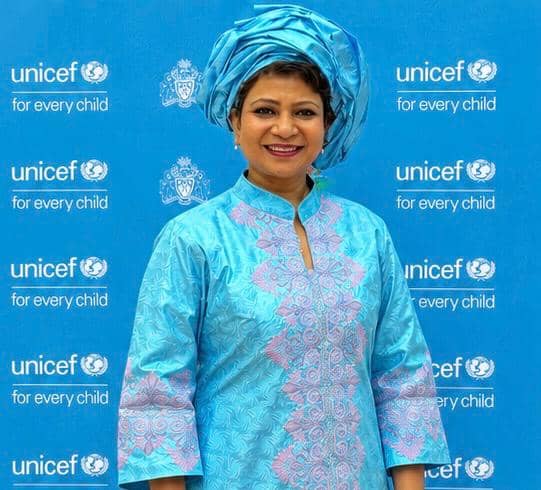
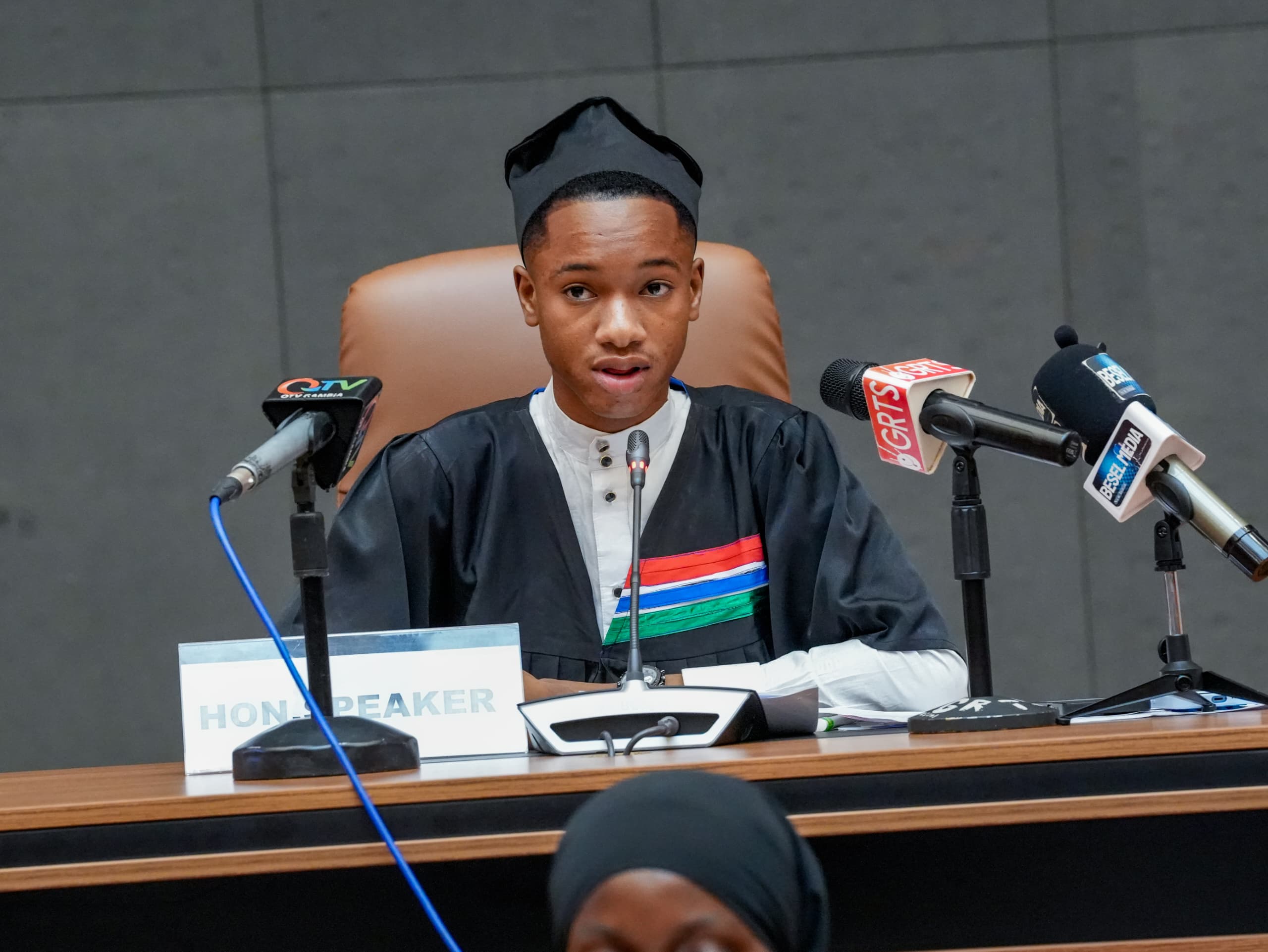
Joint Statement by Nafisa Binte Shafique, UNICEF Representative in The Gambia, and Babacarr Sowe, Speaker of the Children’s National Assembly of The Gambia
Banjul, The Gambia, 20 November 2026 — Today, The Gambia joins the world in marking World Children’s Day, the anniversary of the Convention on the Rights of the Child, the most widely ratified human rights treaty in history. This year carries special meaning: UNICEF marks 80 years of work for children worldwide, and 61 years of partnership with The Gambia.
Since The Gambia ratified the Convention in 1990, progress has been real and measurable. Deaths of children under five have been halved, from 112 to 56 per 1,000 live births between 2000 and 2020. Routine immunization has been sustained above 90 percent. Primary school enrolment has reached a historic high of nearly 94 percent, and more than 74,898 out-of-school children have been brought back into education through the Zero Out of School Children project. Stunting has fallen, open defecation is close to being eliminated, and The Gambia has built a strong legislative framework, from the Children’s Act of 2005 to the laws banning female genital mutilation.
Yet these gains remain fragile, and too many children are still being left behind. Many are in school but not learning enough. Too many still face violence, harmful practices, and the growing effects of climate change. Children living with disabilities, those from remote communities, and out-of-school children continue to bear the heaviest burden.
Children also now have a voice in national life. Since 2019, the Children’s National Assembly has given young people a platform to speak for themselves and demand accountability from duty bearers. Through two editions of the Special Mansa Kunda, children from every region have held Honourable Ministers accountable on the issues that shape their daily lives, from access to water, health, and quality education, to protection from violence, harmful practices, and climate change. The Ministers listened and made commitments. Children now look forward to seeing those commitments turned into action.
“Children are not beneficiaries of services. They are rights holders, and they are holding duty bearers to account,” said Nafisa Binte Shafique, UNICEF Representative in The Gambia.
“Your voice matters, so use it. To parents, teachers, and community leaders: listen to us and include us in the decisions that affect our lives. And to our leaders: keep the door open to children and follow through on what you promise,” said Babacar Sowe, Speaker of the Children’s National Assembly of The Gambia.
On this World Children’s Day, UNICEF calls on:
- The Government to protect and increase investment in health, nutrition, education, water and sanitation, and child protection.
- Lawmakers to uphold, strengthen, and enforce the laws that protect children.
- Development partners, civil society organisations and the private sector to invest alongside government in the future of every child.
- Every family to ask a child in their home today: “What would make your day better?” Then listen and act.
For 80 years, UNICEF’s promise has remained the same: for every child, every right.