By Fatou Dahaba
Smallholder farmers in The Gambia are receiving practical training to connect directly with buyers, boost their incomes, and cut post-harvest losses, as ActionAid International The Gambia rolls out a three-day market linkage program under its SAPOF Project.
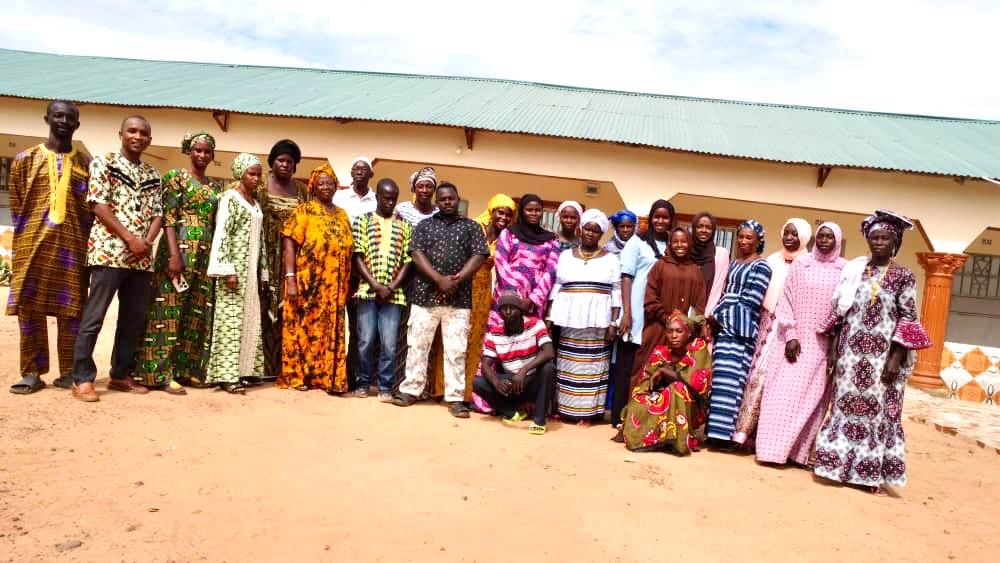
The training, facilitated by the Gambia Youth Chamber of Commerce, has brought together farmers, producers, entrepreneurs, buyers and other private sector actors. Organizers say the goal is to strengthen relationships across the agricultural value chain and create more sustainable livelihood opportunities for rural communities that have long depended on farming for survival.
Speaking at the opening, Saikou Bah, Project Manager and ActionAid International The Gambia’s representative, said the initiative is designed to help farmers view agriculture as a business enterprise rather than simply a traditional practice. He noted that many farmers, particularly those involved in vegetable gardening, often produce crops without first identifying potential buyers. This leaves them vulnerable to low prices set by intermediaries who dominate local markets.
According to Bah, the training aims to give farmers greater control over who they sell to, when they sell, and at what price. It also encourages them to diversify their produce instead of concentrating on the same crops season after season. He explained that greater diversification would reduce market gluts, stabilize prices, and help farmers earn better returns on their labor.
A key component of the program is promoting organic compost produced through community compost chambers established under the SAPOF Project. Organizers said one of the main objectives is to link compost producers with farmers and encourage wider adoption of organic fertilizer as a cheaper and more environmentally friendly alternative to synthetic inputs. By reducing reliance on expensive chemical fertilizers, farmers can lower production costs while improving soil health over time.
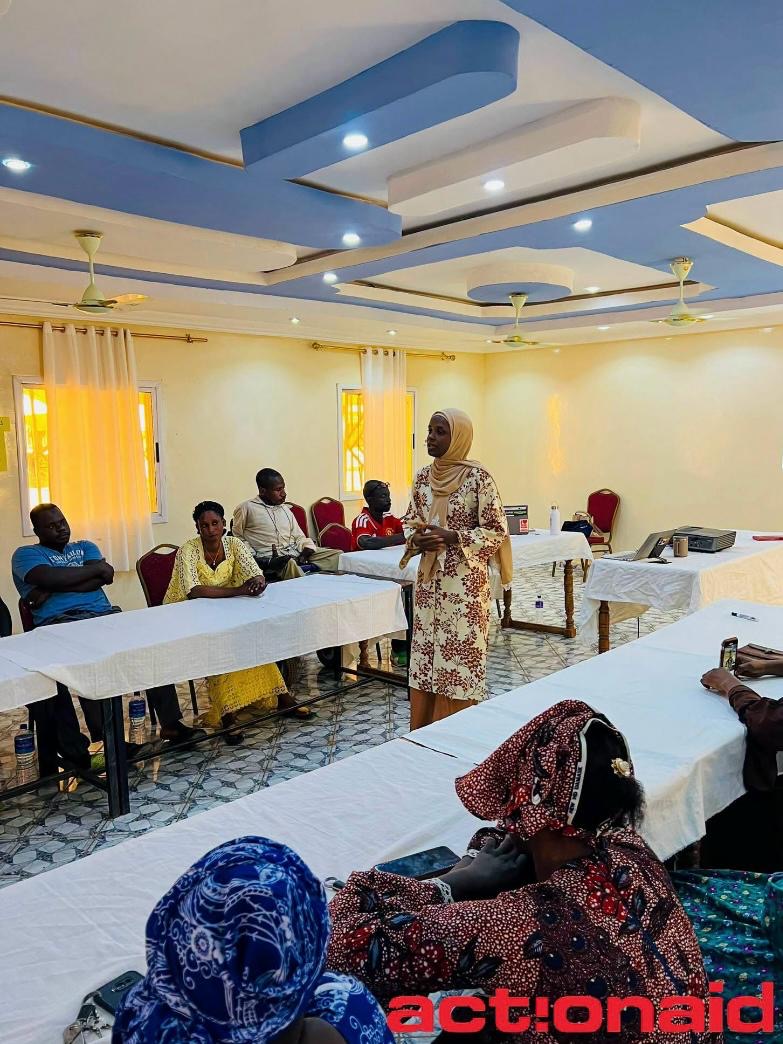
Jarie Sowe of the Gambia Youth Chamber of Commerce, who served as a resource person during the training, said she was pleased to engage with farmers, caregivers, parents and community leaders involved in agribusiness. She described the interaction as both rewarding and educational, adding that while she was there to share knowledge, she was also learning from the participants’ practical experiences in farming and enterprise.
Sowe said the sessions were intended to strengthen farmers’ understanding of market linkages, financial literacy, record-keeping, produce handling and profit-making. She encouraged participants to speak up, share ideas and recognize that potential customers could even be found among themselves. Building these connections, she noted, is an important step in helping farmers expand their businesses and reach wider markets beyond their immediate communities.
Participants from several communities, including Niamina Misira and Panchang, are attending the training hoping to improve both their production and marketing strategies. For many, the lessons go beyond basic farming techniques and focus on practical business skills such as keeping accurate records, understanding costs and profits, and engaging effectively with customers.
Mbombeh Ceesay, a participant from Panchang, thanked ActionAid for the opportunity. She said that after previously receiving horticulture training, she now runs a large garden in her community and is gaining practical knowledge on how to market her produce more effectively.
“They have trained me on how to run my business and make a profit,” she said, adding that the support has made her more confident in managing her enterprise and planning for the future.
Organizers say they expect the training to help shift farmers from traditional methods toward a more modern, market-oriented approach. By building stronger networks with buyers, reducing waste and improving financial management, participants are better positioned to increase household incomes and contribute to more resilient rural economies. As the three-day program continues, participants are being urged to apply the lessons immediately upon returning to their communities.