By Alieu Ceesay
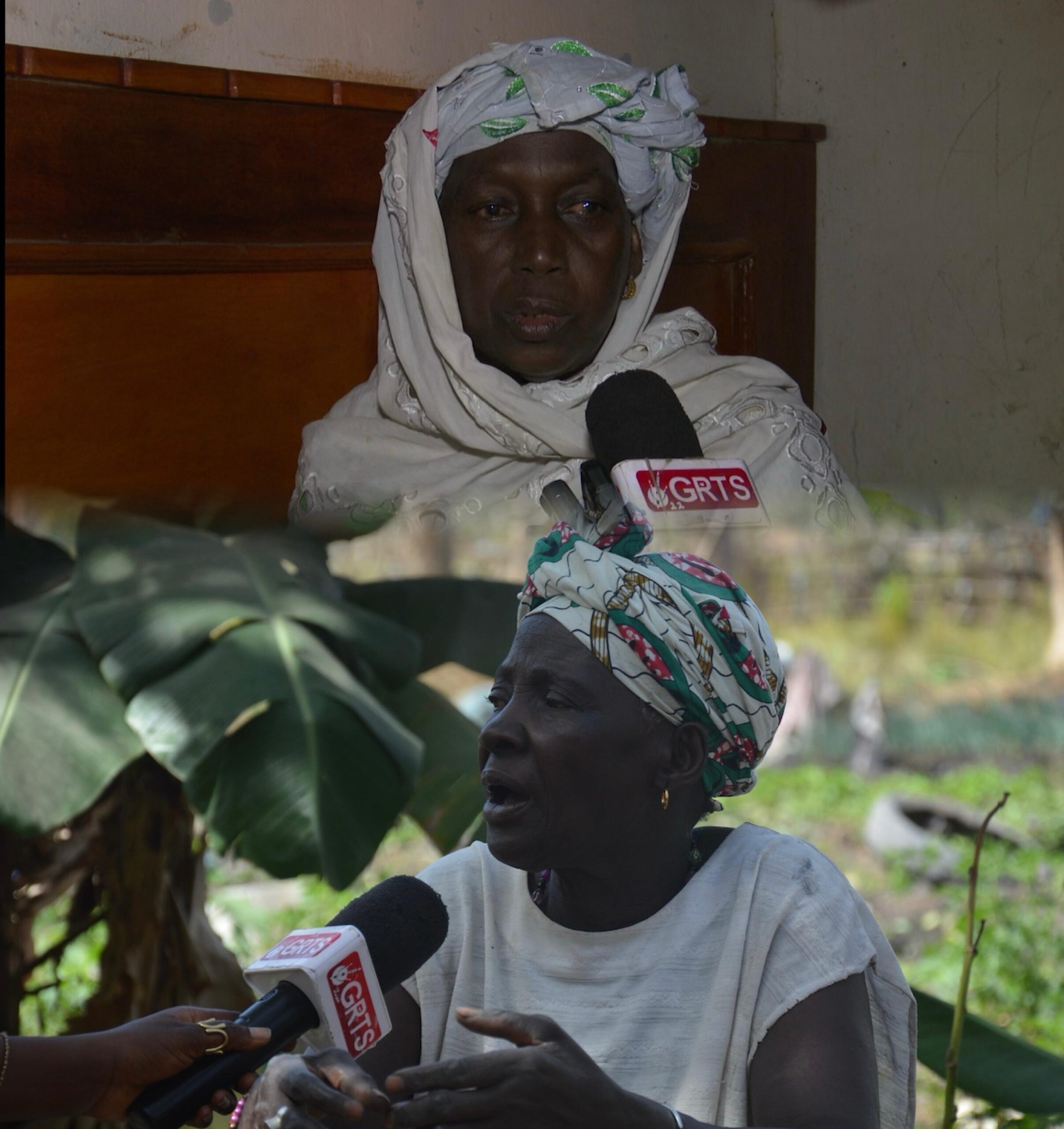
In the rural village of Bakalarr in The Gambia’s North Bank Region, Mariama Jawara, a woman in her seventies, has made a powerful declaration: she has permanently “dropped the razor blade.” Once a traditional circumciser who performed female genital mutilation (FGM) for over two decades, Jawara inherited the role from her late mother and viewed it as both a cultural duty and a source of income.
Jawara shared her transformation during a recent community visit to assess the impact of anti-FGM initiatives led by ChildFund The Gambia. She expressed deep regret for her past involvement in the practice. “I deeply regret my years in that practice,” she said. “When we received this machine and the training, we completely turned our backs on circumcision.”
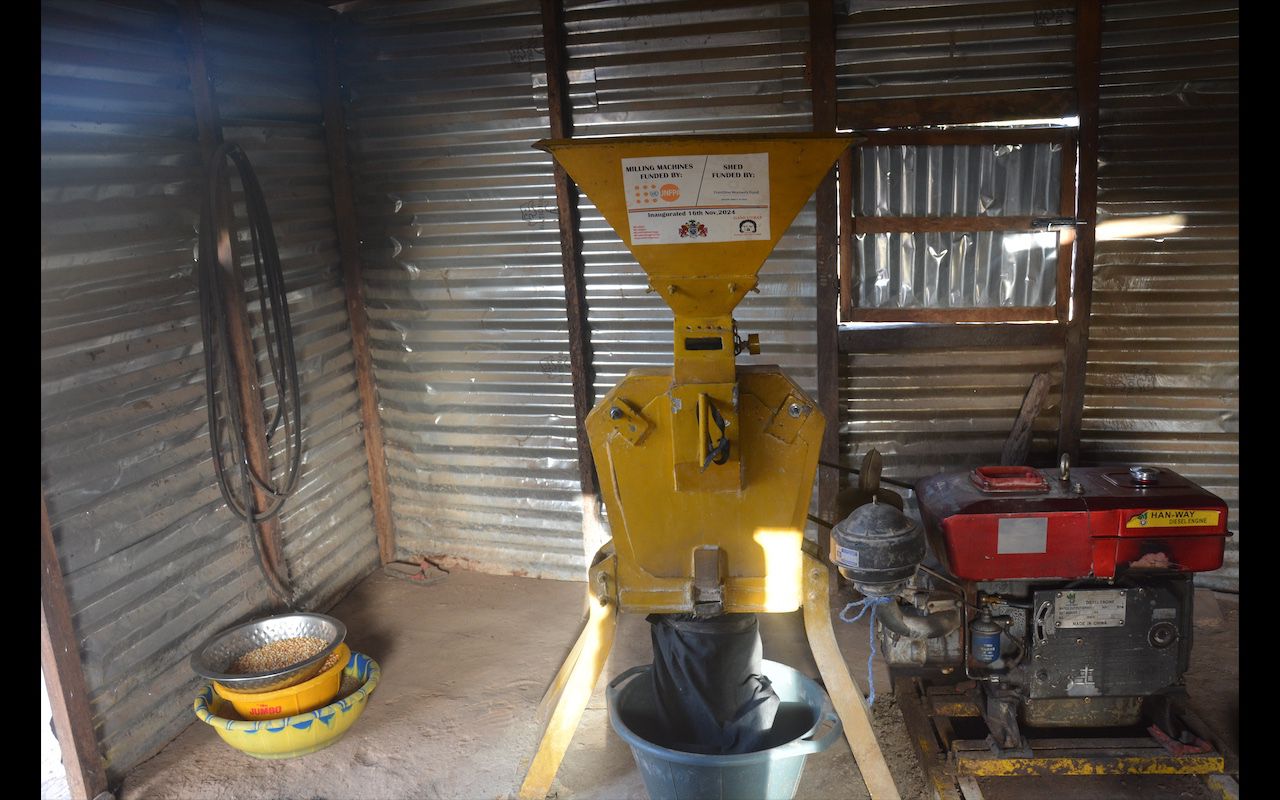
Her shift is tied to economic support programs designed to help former circumcisers transition after The Gambia criminalized FGM in 2015. Organizations like GAMCOTRAP, in partnership with UNFPA and ChildFund The Gambia, have provided alternative livelihoods to reduce economic incentives for the practice. In Bakalarr, Jawara benefits from a donated milling machine—one of six distributed to groups of former circumcisers in the Lower Niumi, Upper Niumi, and Jokadu districts.
“The machine generates income for me,” Jawara explained. “Since we dropped the knife, we have seen improvements in our lives. We now understand that FGM violates the rights of women and girls and causes serious health problems.” She now combines operating the milling service with vegetable gardening, using her earnings to support her household. Jawara has emerged as a community advocate, urging others to abandon FGM.
A parallel story unfolds in Jokadu Constituency, where Adama Jallow, another former circumciser, has found stability through the same initiative. “We are grateful for the milling machine,” Jallow said. “It supports our daily lives after dropping the knives. Recently, I used my share of the income for medical treatment, something that used to depend entirely on family support.”
The milling machines operate collectively, providing a reliable income. Jallow noted initial shares of D3,000 per person, growing to D5,000 per member in later quarters, with savings set aside. Beyond financial relief, the machines reduce women’s labor burdens by providing local grain-processing services.
These personal transformations highlight broader efforts to end FGM through awareness, community engagement, and economic empowerment. Despite the 2015 ban—punishable by up to three years in prison—FGM remains deeply rooted in some communities, with high prevalence rates in The Gambia.
The issue sparked intense national debate in 2024 when a private member’s bill, the Women’s (Amendment) Bill, sought to repeal the prohibition, citing cultural and religious grounds. The bill advanced through initial readings amid strong support from some lawmakers and religious leaders, raising fears that The Gambia could become the first country to reverse an FGM ban. However, after heated discussions and international pressure, Parliament voted in July 2024 to uphold the law, rejecting the repeal.
As of early 2026, legal challenges persist, with a Supreme Court case examining the ban’s constitutionality amid claims it infringes on religious and cultural freedoms. Recent convictions under the law have fueled backlash, yet government strategies aim to eliminate it by 2030.
Campaigners from GAMCOTRAP and partners continue grassroots work, celebrating stories like Jawara’s and Jallow’s as evidence of progress. By addressing economic dependencies and health harms, these initiatives foster lasting change, even as debates continue.