By: Mamadou Gagigo
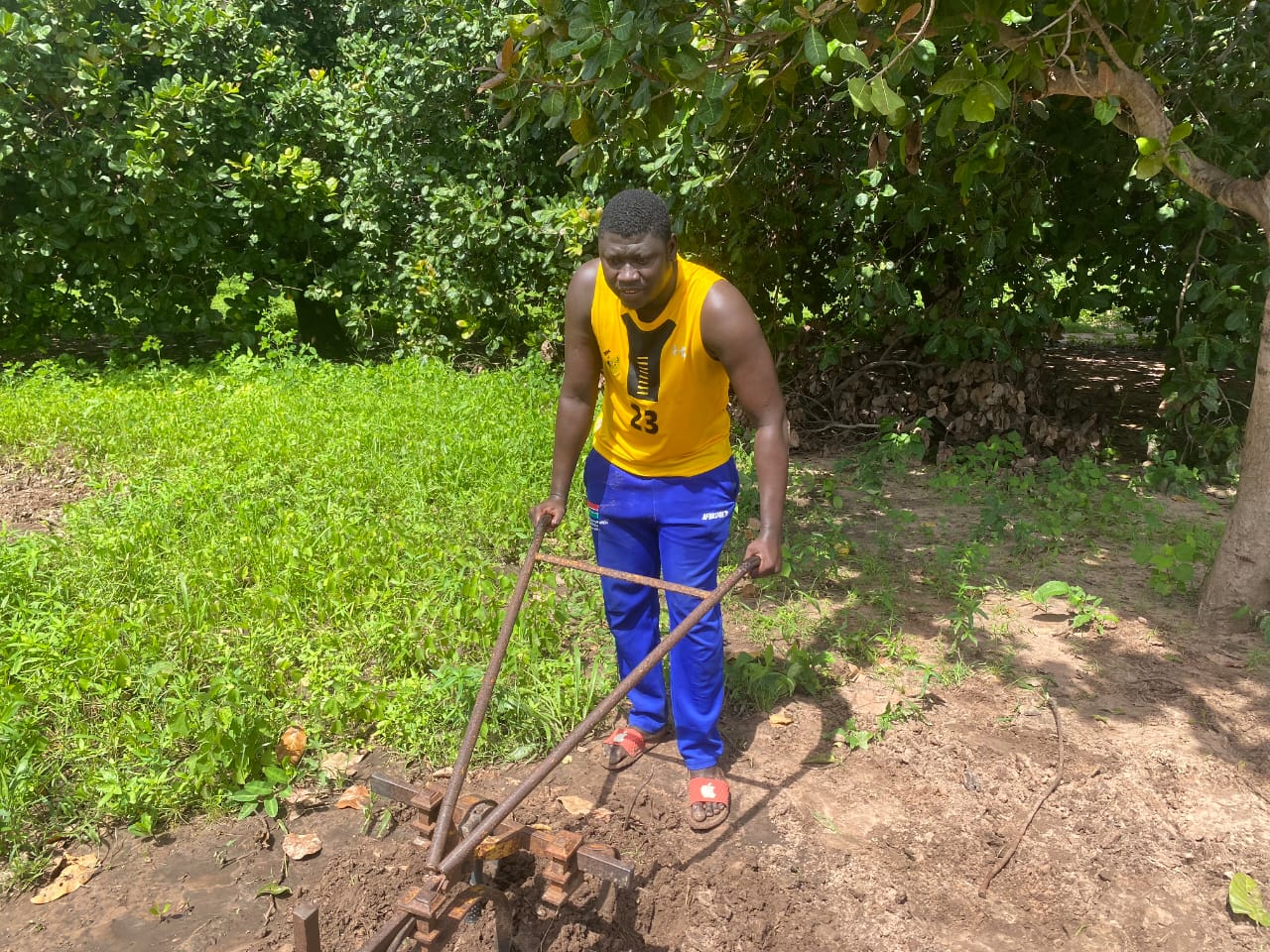
In the newsroom of Star FM/TV, Omar Jobe has long been a familiar voice, delivering incisive reporting and shaping stories that resonate across The Gambia. But beyond the microphone and deadlines, Jobe is writing a new chapter—one rooted not in headlines, but in the soil of his homeland in Nuimi Tambana in the North Bank Region. The journalist and sub-editor has traded his notepad for a hoe, embarking on a bold venture into watermelon farming with dreams of transforming it into a sustainable enterprise. His story is one of reinvention, resilience, and a return to the land, guided by a simple yet profound philosophy: “Grow what you eat, and eat what you grow.”
Jobe’s agricultural journey began unexpectedly during an interview with the Managing Director of MAJAC and CEO of Santaz Organic Farm, Sang Mendy. The conversation ignited a spark. “It wasn’t just about farming,” Jobe recalls. “It was about purpose, resilience, and reconnecting with the land.” The idea of cultivating his own crops took root, and soon, he was planning his first foray into farming. Watermelons, a seasonal staple in The Gambia, became his crop of choice—both practical and symbolic. “I was spending D200 to D300 daily on watermelons for my family during the season,” he explains. “Growing my own wasn’t just about saving money; it was about turning consumption into production.”
In The Gambia, watermelon farming aligns with the rainy season, planted in mid-August and harvested by November, meeting strong local demand. For Jobe, the crop also carries personal significance. Raised partly in a village, he grew up working the fields alongside his grandfather and uncle, tending to groundnuts and coos. “My father was a farmer before moving to the city,” Jobe says. “Farming never left me; it just waited for the right moment to resurface.” Those childhood memories now fuel his ambition, blending nostalgia with a vision for sustainable agriculture.
Balancing journalism and farming is no small feat. Jobe took a temporary leave from his newsroom duties to focus on the farm, but as his leave nears its end, he plans to rely on weekend visits and the steadfast support of his uncle, Bakary Suwareh. “I shared the idea with him, and he embraced it fully,” Jobe says. “I sent the initial funds, and he’s been managing the farm while I’m away. I’m truly grateful.” Bakary, a lifelong farmer, sees Jobe’s return to the land as a homecoming. “Omar always loved farming,” he says. “Even during school holidays, he’d help in the fields. Work took him away, but his heart never left the soil.”
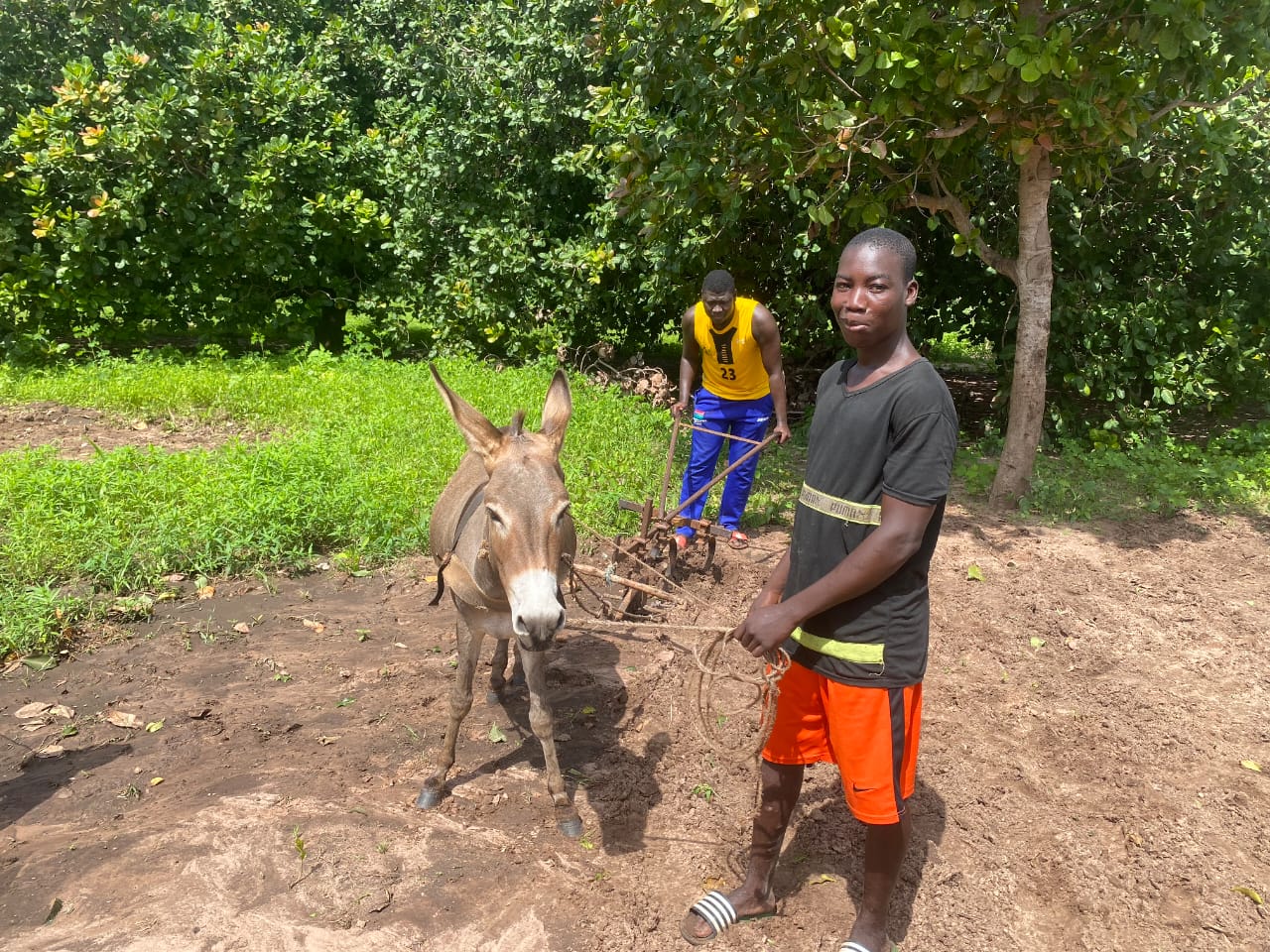
Jobe’s vision extends beyond his own fields. He sees agriculture as a solution to broader economic challenges in The Gambia. “If we grow more crops locally, prices will drop, and access will improve,” he argues. “Scarcity drives up costs. So I tell young people: if you can farm, do it.” He also advocates for year-round farming, leveraging boreholes and irrigation to break free from the rainy season’s constraints. “That’s the future I want to invest in,” he says, his voice carrying the same conviction that marks his journalism.
Omar Jobe’s story is a testament to purpose-driven reinvention. From crafting narratives in the newsroom to nurturing crops in the village, he embodies a rare blend of civic leadership and grassroots action. His journey shows that the seeds of change often sprout in unexpected places, proving that the most impactful stories are sometimes the ones we grow ourselves.