By Momodou Gagigo
As the groundnut harvest season looms, farmers across rural Gambia are voicing mounting anger over the government’s QMoney digital payment system, calling it a barrier that turns their hard-earned sales into prolonged ordeals.
Introduced to modernize payments for the national groundnut buying scheme, QMoney requires farmers to receive funds via mobile wallets tied to QCell SIM cards. Yet many say the system excludes those without smartphones or reliable network coverage, forcing them to make long journeys and endure endless waits for cash.
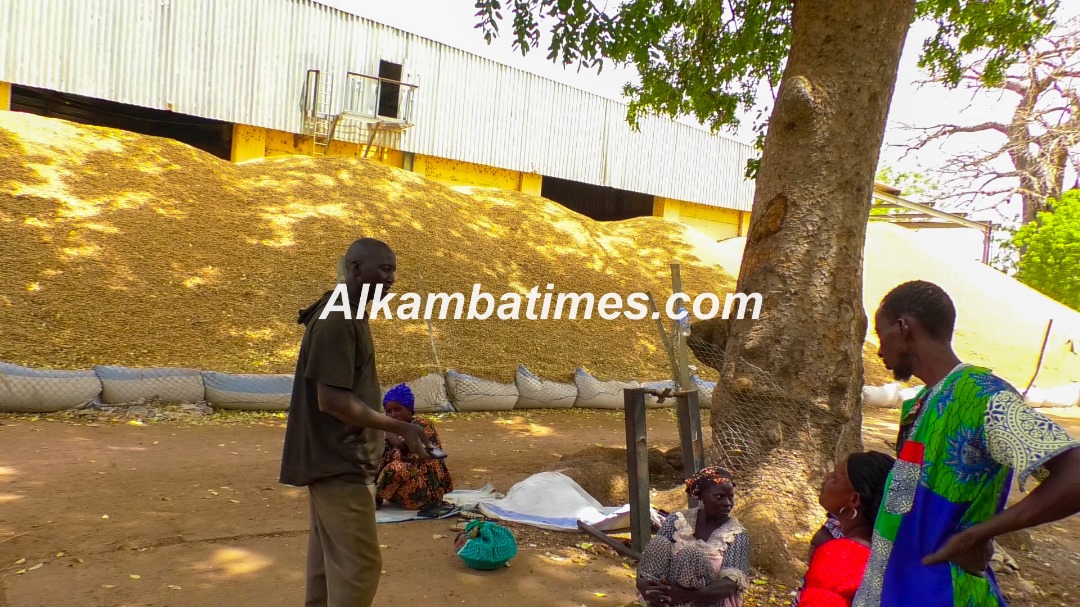
Ali Boye, a farmer from Boiram in the Falladu East District of the Central River Region, described last year’s chaos. “We harvest under the sun, then fight for our money,” he told The Alkamba Times. “I traveled to Brikama Ba multiple times only to hear ‘no funds.’ Some waited over a month. It’s exhausting.”
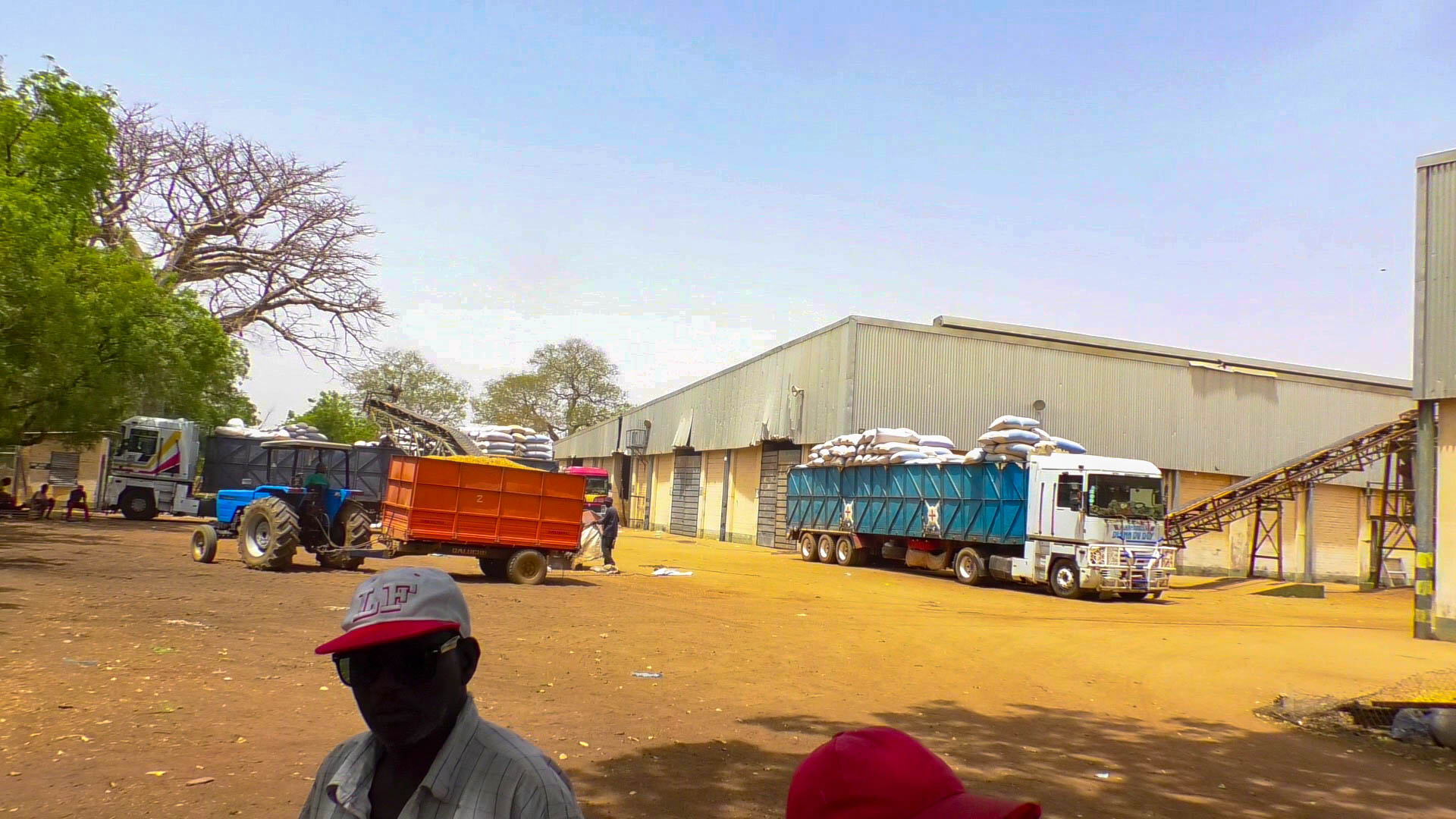
In the Lower River Region, Alieu Gagigo highlighted the digital divide. “This system favors the few with phones and QCell lines,” he said. “Most of us have neither. We beg the government for something inclusive.”
Pateh Sey from the Central River Region kept it blunt: “Sell nuts, get cash—simple. No complications.”
Farmers want QMoney agents in every village. “If they keep this for 2025, put agents everywhere, or it’s the same struggle,” Boye urged.
Adama Shock, from Tattimayel village in Naimina East District in CRR, shared her story. “I went to Soma twice, borrowing my daughter’s phone each time. We need training and local access.”
The complaints echo nationwide. Groundnuts are Gambia’s top cash crop, supporting thousands of smallholders. Delays mean borrowed money for food, seed, or school fees, deepening poverty.
Government officials defend QMoney as a step toward financial inclusion, citing reduced cash theft and faster tracking. But farmers counter that rural reality—poor internet, few agents—makes it impractical.
“We’re not against progress,” Gagigo said. “Just make it work for us.”
With buying season nearing, farmers demand urgent fixes: more agents, offline options, and community training. Without change, they warn, the system risks undermining the very livelihoods it aims to support.