By Sainabou Sambou
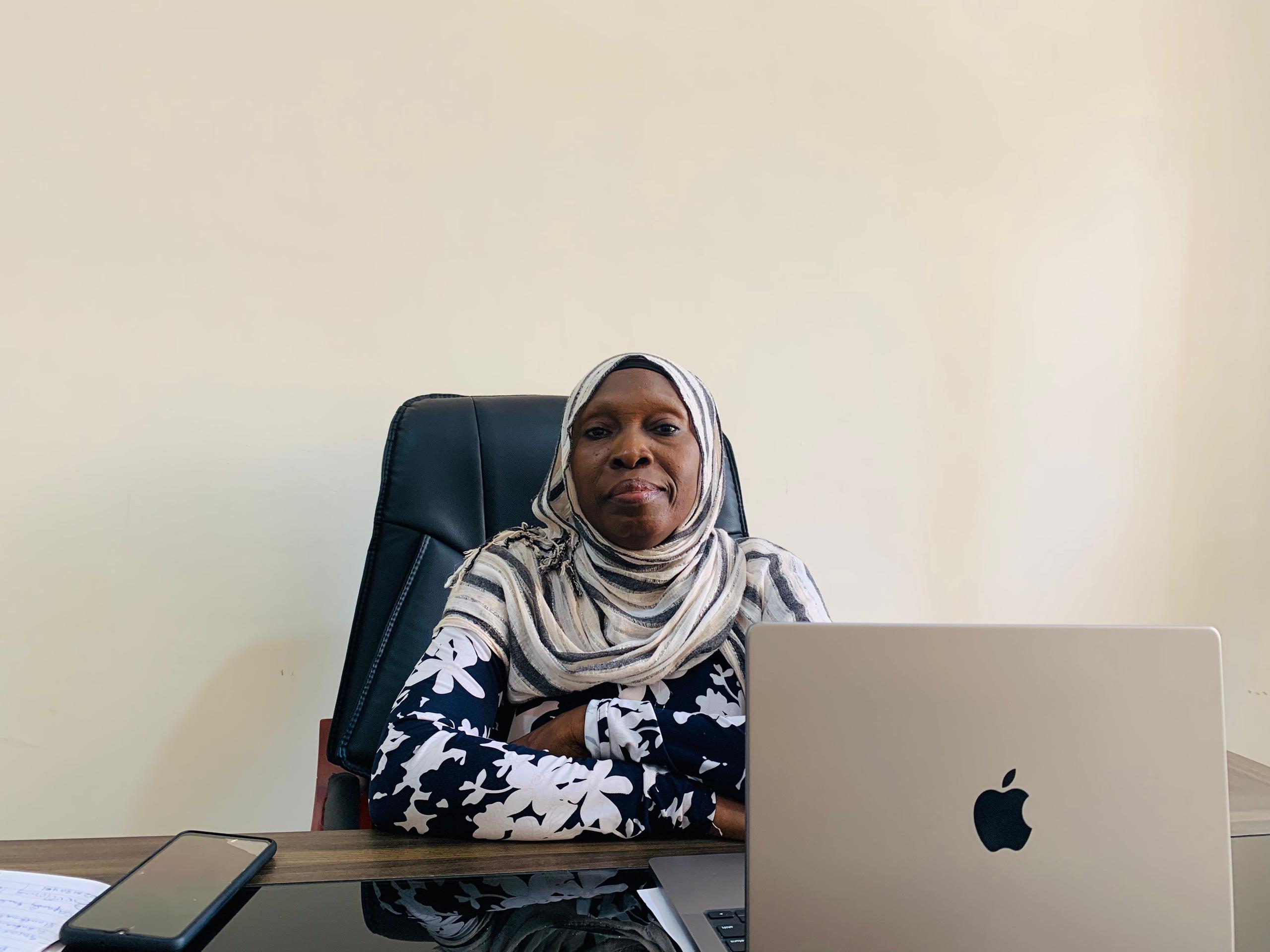
Fatou Janneh, Tertiary and Higher Education Officer at the Ministry of Higher Education, Research, Science, and Technology, has laid down a detailed description of the government’s initiatives to bridge the gap between education and employability. “Through the Strategic Improvement Plan (SIP), we’re prioritizing competency-based curricula and modern equipment to align with industry needs,” Janneh said. Guided by the National TVET Policy 2021–2030, the ministry has supported 25 public and private institutions through the SIE fund, thereby bolstering vocational training, youth- and women-led startups, and quality assurance.
Janneh highlighted plans for two centers of excellence and expanded scholarship programs to enhance access to vocational training. “The World Bank has supported integrating madrasas into tertiary and vocational education, broadening opportunities,” she noted. Despite progress, challenges such as the high cost of equipment, a shortage of qualified instructors, and societal biases favoring academic over vocational paths persist. Partnerships with UNESCO and the International Trade Centre are helping address these hurdles.
With over 70% of Gambia’s population under 35, the government is decentralizing training, establishing centers in Kanilai and other regions. “TVET is critical for addressing skills shortages in agriculture, medicine, ICT, and manufacturing,” Janneh emphasized. “Practical training, apprenticeships, and recognition of prior learning are key to unlocking talent.”
Lamin Darboe, a trainer at the Presidential Skills Academy and GTMI Institute, underscored the value of hands-on learning. “Theory alone isn’t enough. Skills like electrical installation, solar systems, and fencing require practice to master,” he said. However, Darboe noted a concerning trend: many Gambian youths pursue skills training for opportunities abroad rather than local mastery, urging a shift toward passion-driven learning.
Malick Bah, Director of the Telecommunications and Multimedia Institute (GTMI), echoed the importance of practical training. Originally established to train technicians for Gamcel and Gamtel, GTMI has been open to the public since 2020, offering certificate-to-diploma courses in telecommunications engineering, ICT, and business studies. “Our 30/70 model—30% theory, 70% practical—ensures graduates are job-ready,” Bah said. GTMI alums dominate Gambia’s telecom sector, with engineers at Africell, Qcell, and Gamcel. Bah stressed the role of internships in preparing students for the workforce, noting GTMI’s outreach centers in Farafenni and beyond.
Entrepreneur and tailor Ida John highlighted the empowerment that vocational skills provide. “Skills like tailoring and catering offer economic independence and competitiveness, even without a university degree,” she said. Running her own business, John supports her family and mentors an apprentice, challenging the stigma that vocational skills are for academic underachievers. “Schools should prioritize skills training,” she urged.