By: Kebba Ansu Manneh
Renowned Gambian rights activist and agricultural entrepreneur Jaha Dukureh has called on African governments and development partners to link climate finance to verified women’s decision-making rights in land, budgets, and governance.
Speaking at a panel discussion on women and agriculture, organized by the Global Green Growth Institute (GGGI) and UN Women during the Africa Food Systems Forum 2025 in Dakar (August 31–September 5), Dukureh emphasized that public funding for green initiatives must also prioritize gender equity.
As the UN Women Goodwill Ambassador for Africa and co-founder of Regenerative Hubs, Dukureh advocated for actionable measures to ensure women’s rights to land, finance, and decision-making are upheld. “If public money is green, it must also be gender-true,” she declared in her keynote address, urging governments, investors, private sectors, and NGOs to strengthen their commitments to women’s empowerment in agriculture.
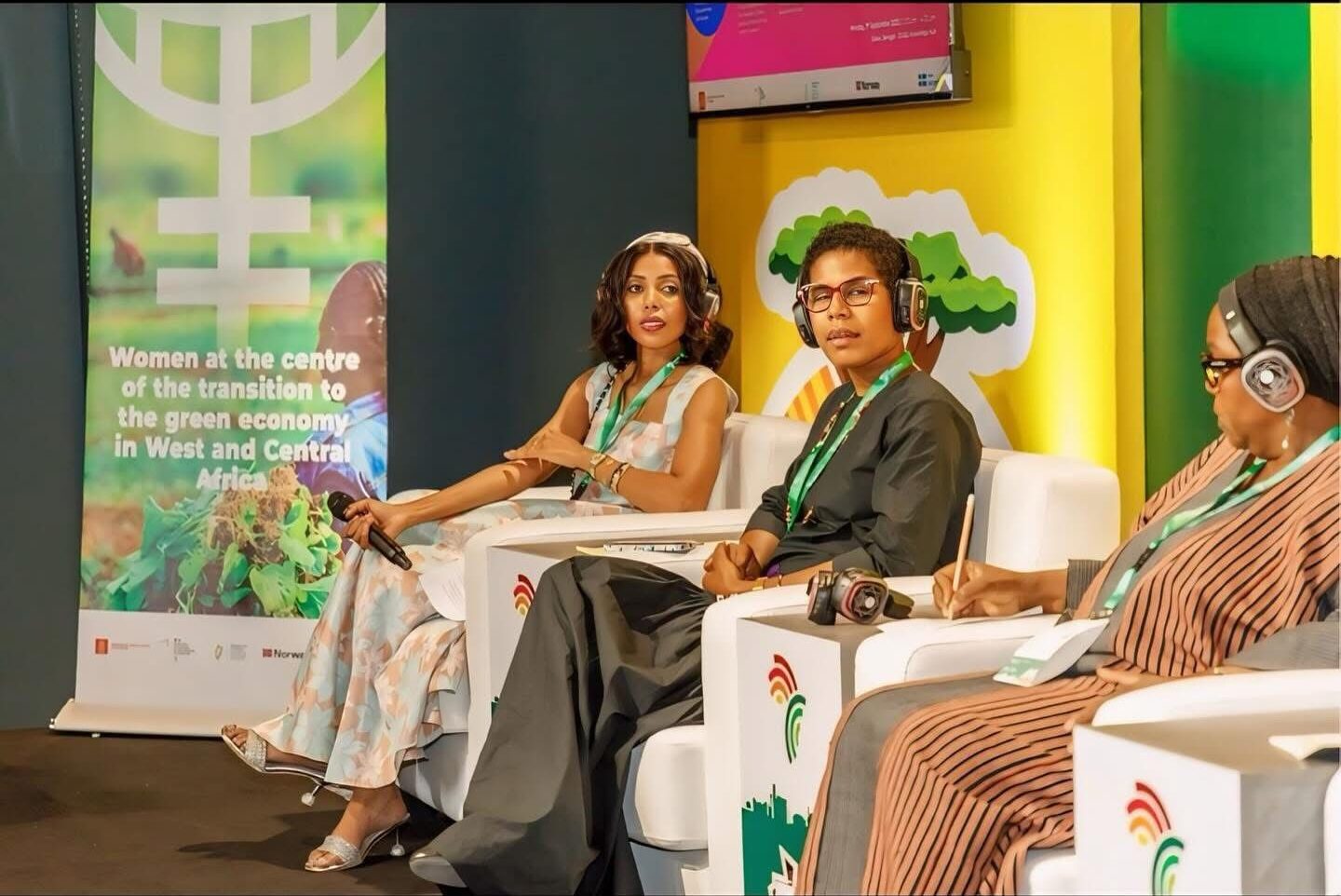
Dukureh proposed practical solutions to advance women’s participation, including land-use agreements naming women as co-decision makers, community charters to protect land from predatory speculation, and shared ownership in processing and offtake. She called for 10% of green capital to be redirected to first-mile instruments for women-led agriculture and processing, alongside standardized community charters to embed dignity into development frameworks. “Governments and development partners should tie climate finance to verified women’s decision rights,” she said, warning that excluding women’s leadership risks both injustice and systemic failure.
Highlighting the transformative potential of women-led agriculture, Dukureh shared insights from her Regenerative Hubs initiative in The Gambia, which utilizes over 3,000 hectares to trial high-value crops like sorghum, millet, and sesame, while introducing new crops such as alfalfa, kenaf, and pongamia. The project employs regenerative techniques to restore degraded soils and plans to build processing facilities to retain value for farmers. Demonstration centers are also being developed to train women and youth in regenerative agriculture, ensuring knowledge transfer.
A key component of the initiative is Dara, a digital app providing farmers with access to agricultural education, mental health resources, digital wallets, carbon tracking, and end-to-end traceability. “Dara is proof that Africa’s women farmers don’t just need to be included in the future; they can design it,” Dukureh said. The project also invests in research and development, from alfalfa trials to soil biology testing, demonstrating that African farms can compete on innovation, not just subsistence.
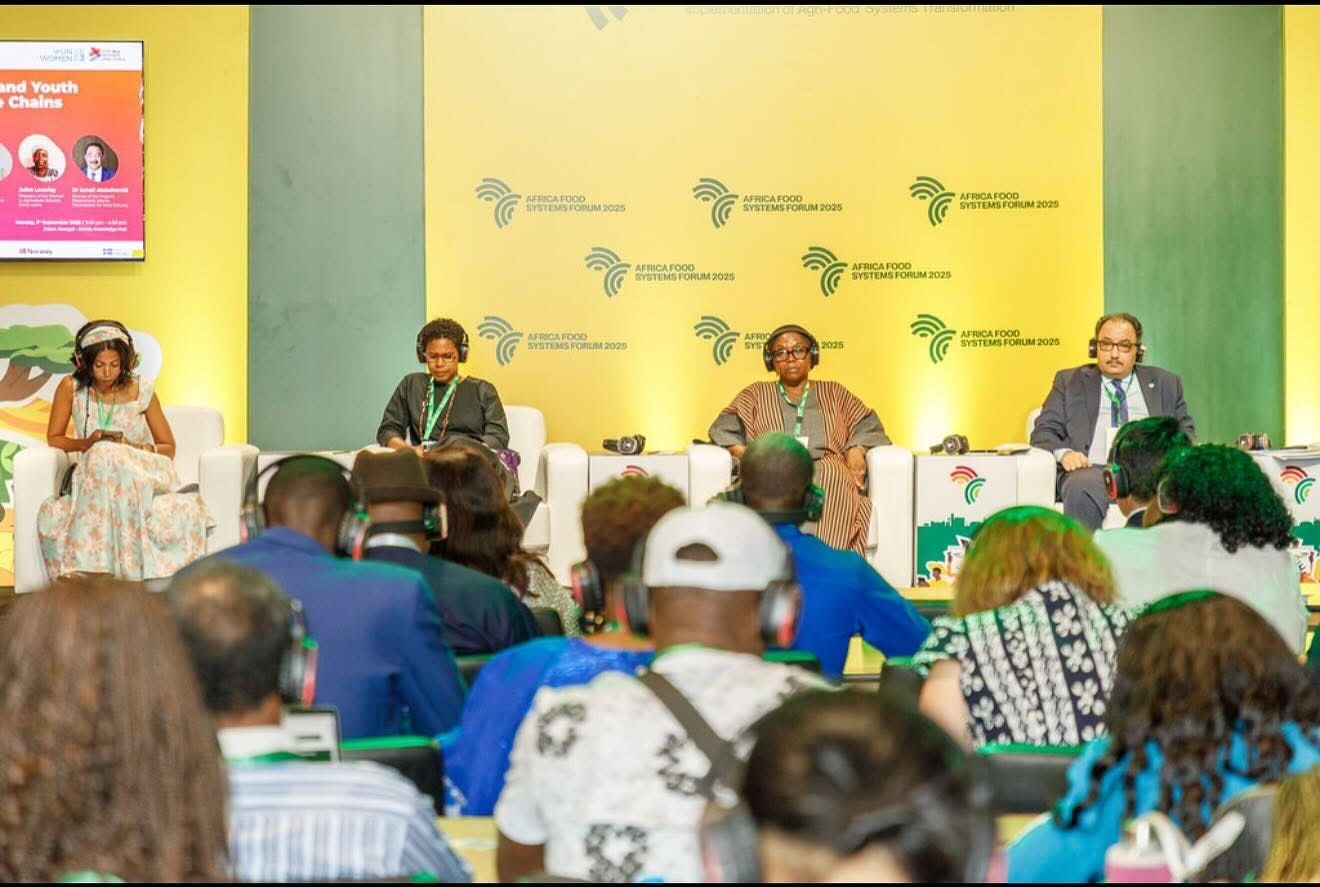
Dukureh emphasized that empowering women as custodians of land use boosts yields, reduces conflict, and multiplies economic benefits locally. “When a woman signs as custodian of land use, every dollar multiplies in the local economy,” she noted. However, scaling this model requires patient capital that prioritizes resilience, dignity, and women’s leadership over short-term returns.
Despite the project’s successes, Dukureh highlighted persistent challenges, including skepticism, gender bias, ageism, and a bias toward foreign expertise over local capacity. “Too often, governments and investors trust outsiders with millions while asking us to prove ourselves again and again,” she said. Refusing to accept marginalization, Dukureh stressed that Regenerative Hubs is building models that work, documenting results, and proving African women and youth are leaders in climate solutions.
“Our success in The Gambia is a continental win,” Dukureh declared. “It shows African women can govern land, manage capital, run R&D, build technology, and scale businesses that restore ecosystems and dignity.” She underscored that Africa’s youth can find opportunities in their own soil, and regeneration is a homegrown solution, not an imported one.