By Alieu Ceesay
Several farming communities in rural Gambia face a devastating farming season as a prolonged dry spell continues to damage crops and threaten livelihoods. Farmers in Niamina and surrounding areas of the Central River Region say insufficient rainfall has left fields parched, with many fearing outright crop failure.
Ebrima Marenah, a long-time farmer in Kudang, in the southern part of the Central River Region, told TAT that this year’s season ranks among the worst he has experienced. He planted groundnuts, Maize, and millet—crops used both for household consumption and commercial sale. “This year’s experience: for the past years I have been doing farming, but I have never encountered what I am seeing this year is too much,” Marenah said. “The cause is that two months ago there was not enough rainfall; it was just windy, but no rain, and that wind caused our crops to dry, and that’s the big problem.”
Marenah explained that after the rainy season, he normally relies on dried groundnut leaves to feed his animals, which reduces the cost of buying feed. Without a successful harvest, that option disappears. “I have animals, so during the dry season I use dried groundnut leaves to feed my animals; we all know it’ll be difficult to feed animals without another source of income,” he added. He said he invested heavily this year by hiring labor for most of the farming work. “If this continues like this, and this is where our livelihoods are, then this year would be a difficult year for us.”
Other farmers in Niamina Kudang and Jereng share the same concerns. Lamin Sanneh and Nfally Kongira said they had expected a good harvest before erratic rainfall set in. “We were all expecting a bumper harvest this year, and all of a sudden erratic rainfall comes. We hope that this situation normalizes as we are at the end of the farming season,” Sanneh said.
Saikou Darboe, national coordinator of a climate change advocacy group, called for concrete measures to address the problem. “So let’s plant more trees. Let’s know that climate change is real,” he said. Darboe urged authorities and the public to support affected farmers, noting that farming remains their primary source of livelihood. “Let’s all join our hands together to support our farmers. It is the only source of livelihood that they have.”
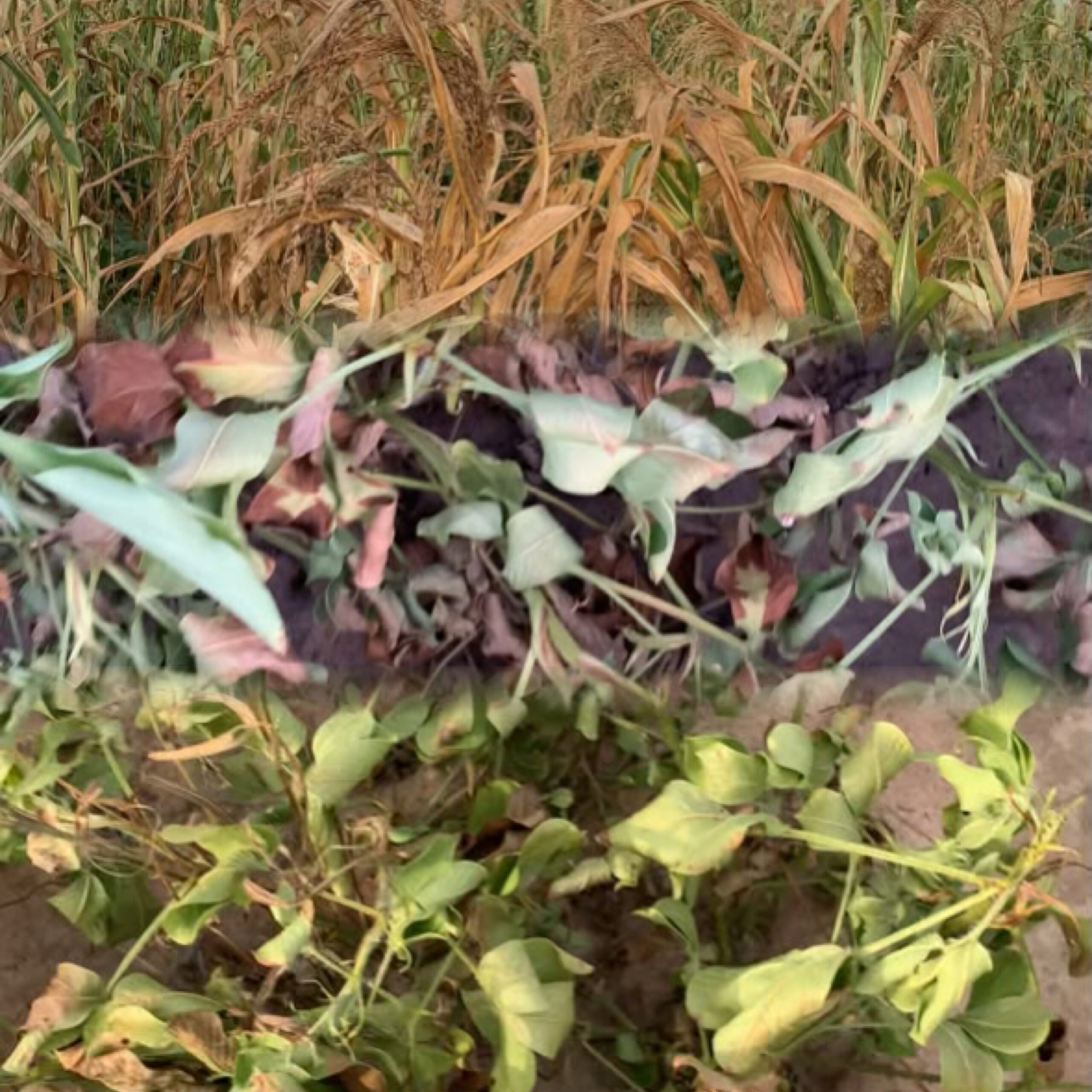
The situation in Niamina has grown more worrying as the dry spell persists, with residents describing their fears as rain-fed crops reached critical growth stages without adequate rain. Days later, conditions remain largely unchanged. New footage from the communities shows cracked, dry soil, struggling plants, and farmers inspecting fields they counted on for food and income.
For many, the issue has moved beyond a poor harvest to whether any crops will survive. Maize plants are small and weak, while groundnut fields show clear signs of stress. Farmers say they have invested time, labor, and limited resources, only to watch the crops falter in the dry conditions. Rain-fed agriculture remains a major source of food and income for rural families in the area, leaving them with few alternatives as days pass without significant rainfall.
A senior extension worker with the Ministry of Agriculture, who asked not to be named because he is not authorized to speak to the media, described the situation as worrisome. He advised farmers to seek guidance from relevant authorities, particularly meteorologists, on weather and rainfall patterns so they can make better-informed decisions. He noted that climate change is already altering rainfall patterns in that part of the country and that such changes are likely to continue. He said efforts are underway to help affected farmers understand the implications and prepare more effectively for future seasons.
As the farming season nears its end, communities in Niamina continue to watch the skies, hoping for rain before it is too late. Without it, many households face reduced food stocks, lost income, and higher costs to sustain their livestock through the dry months ahead.