By Sainabou Sambou
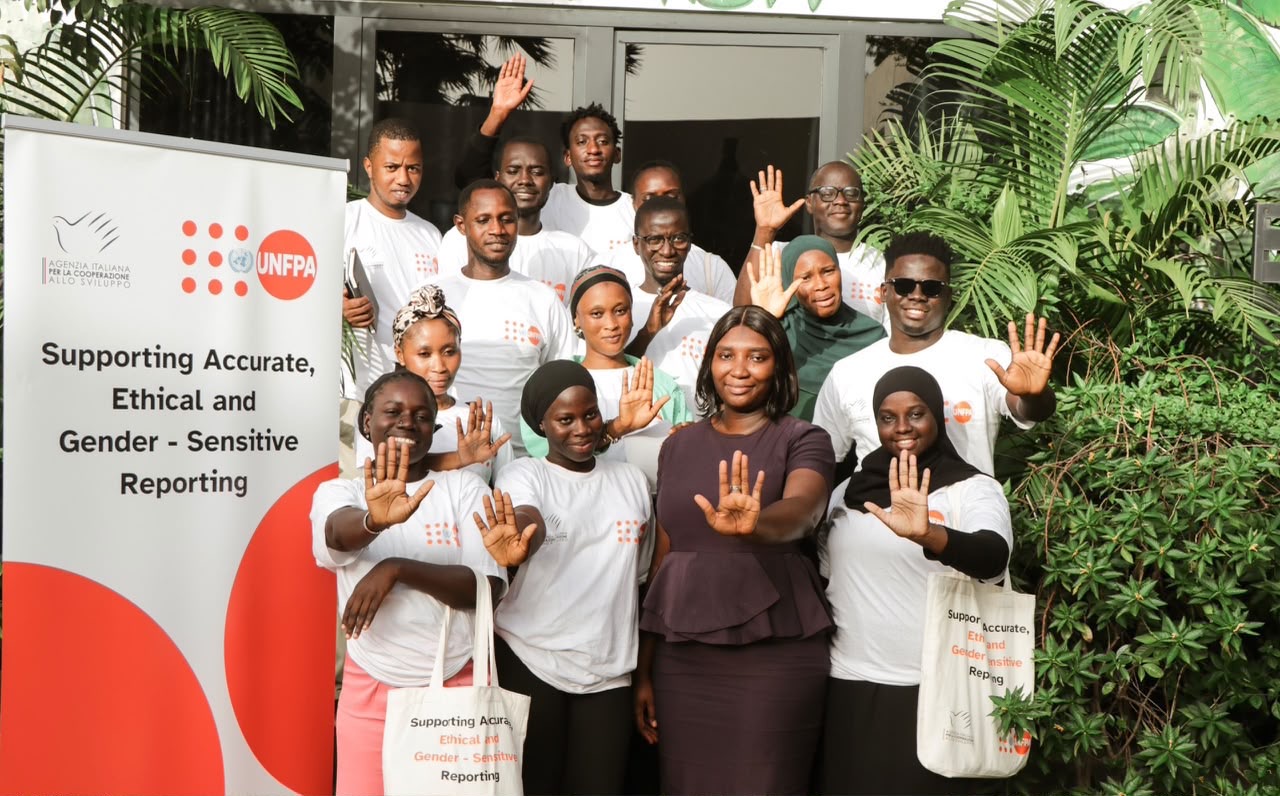
The United Nations Population Fund (UNFPA) has trained 15 court reporters on ethical and sensitive reporting of sexual and gender-based violence (SGBV) cases, preparing them for the imminent opening of a specialized SGBV court in The Gambia.
The two-day residential training, held from 12 to 13 October 2026, aimed to strengthen journalists’ capacity to cover SGBV proceedings while safeguarding survivors’ privacy and dignity. Organizers said the initiative was driven by lessons from recent public debates on gender-based violence and female genital mutilation (FGM), including discussions in the National Assembly and the courts.
Joy Michael, UNFPA Program Specialist for Gender and Gender-Based Violence, explained that media coverage can shape public opinion and influence survivors’ willingness to participate in judicial processes. She pointed to the ongoing FGM case before the Supreme Court, noting that some survivors had declined to testify after earlier reporting created the impression in their communities that the government opposed the FGM ban and that supporting the case amounted to opposing the administration.
Michael said UNFPA and its partners only discovered the impact when they began mobilizing survivors. Some previously active community advocates became reluctant, fearing their involvement would be viewed as political opposition. The episode, she said, illustrated how reporting on sensitive issues such as FGM, family planning, and maternal health—topics often intertwined with cultural beliefs—can either advance or undermine efforts to address gender-based violence.
The specialized court is expected to open before the end of October 2026, according to indications from the Chief Justice. A review has identified more than 5,000 pending SGBV cases, underscoring the need for a dedicated facility. The court plans two courtrooms; one is already furnished, and the second is expected to be equipped next year. The court will introduce protective measures, including the option for survivors to testify from a shielded stand so they do not have to face the alleged perpetrator.
Mbasireh Saidybah, Program Analyst for Partnership and Advocacy at UNFPA The Gambia, said the training aimed to help reporters understand gender-based violence, the barriers survivors face in accessing justice, and the procedures of the new court. Participants were urged to handle sensitive testimony carefully, protect identities and personal information, maintain confidentiality, and uphold ethical standards.
Ebrima Jallow, Deputy Judicial Secretary, emphasized that the public has a right to know what happens in court and to understand judges’ work. He said journalists play a vital role in informing those who cannot attend proceedings, adding that accurate, lawful, and sensitive reporting would help build confidence in the justice system and encourage more survivors to come forward, while irresponsible coverage risks eroding trust and deterring reports.