By: Momodou S Gagigo
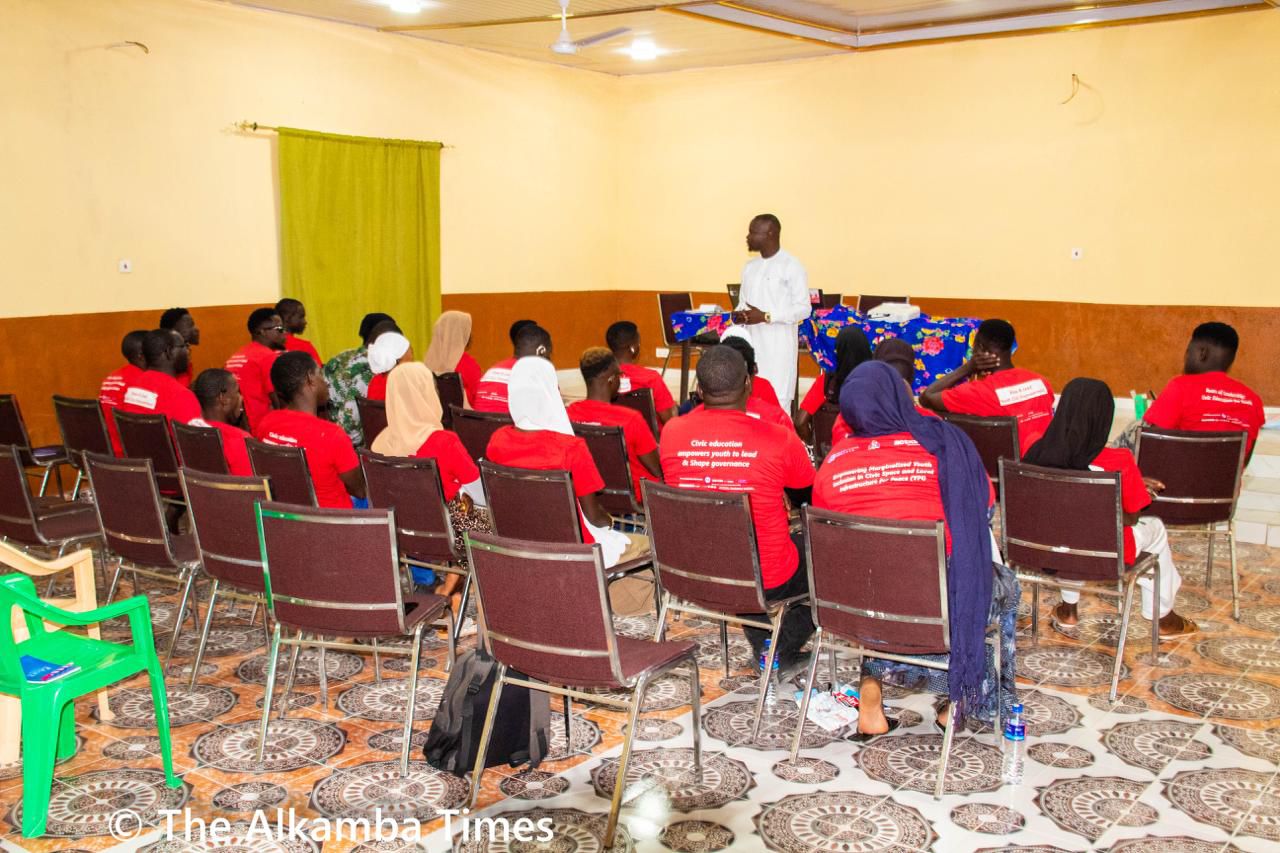
A group of more than 30 enthusiastic young people from across the Central River Region (CRR) recently concluded a transformative three-day Civic Education Camp in Wassu, emerging better equipped to lead positive change in their communities and contribute to a more inclusive future for The Gambia.
The camp was organized by ActionAid The Gambia as part of its Empowering Marginalized Young People for Inclusion in Civic Space and Local Infrastructures for Peace (YPI) project, which ran from 2024 to 2026 and was supported by initiatives such as the United Nations Peacebuilding Fund. The program focused on building participants’ knowledge of civic rights and responsibilities, democratic principles, effective leadership, conflict resolution, and peaceful civic participation—skills deemed essential ahead of upcoming national elections.
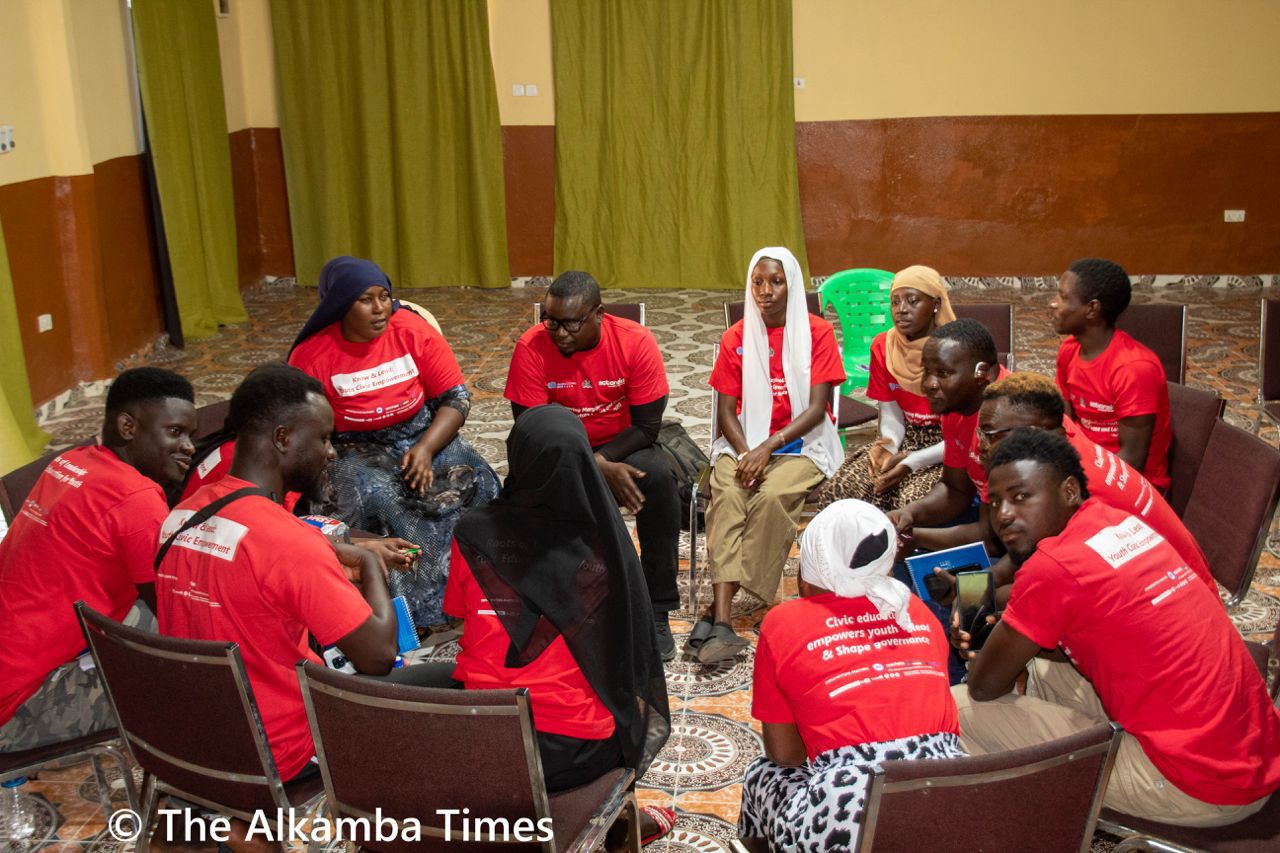
Participants engaged in interactive sessions, group discussions, practical exercises, and educational dramas that sensitized one another on key issues. These activities fostered collaboration, new friendships, and a shared sense of purpose among the young attendees.
Fatou Bah, a 22-year-old from a rural village in CRR aspiring to become a local leader, described the experience as eye-opening. “I want to make a difference in my community, but I didn’t know where to start,” she said. “This camp has given me the confidence and tools to speak up and get involved.”
Fellow participant Gibril Dem echoed the sentiment, calling the camp a “game-changer.” He highlighted lessons in embracing diversity, respecting differences, and promoting unity. “I’m excited to apply the skills I’ve gained to address youth unemployment and education challenges,” Dem said. “The training has boosted my confidence, helped me make valuable connections for job opportunities, and inspired me to engage in voluntary community service.”
The camp’s opening featured remarks from Saiba T. Susso, Programme Manager for Local Rights Programmes 8 & 11 at ActionAid. “The role of young people in sustaining peace and development cannot be overstated,” Susso told the group. “Your voices matter, and your actions can positively influence your communities.”
Ebrima P. Bah, representing the District Chief, emphasized the importance of collaboration between youth and traditional leaders. “As a representative of the district chief, I’m committed to promoting peace and supporting initiatives that improve livelihoods,” he stated. “Young people can work with traditional leaders by showing respect, being proactive, and offering solutions to community challenges,” such as limited access to land and skills training. He encouraged youth to bring forward innovative ideas, noting the chief’s openness to partnerships.
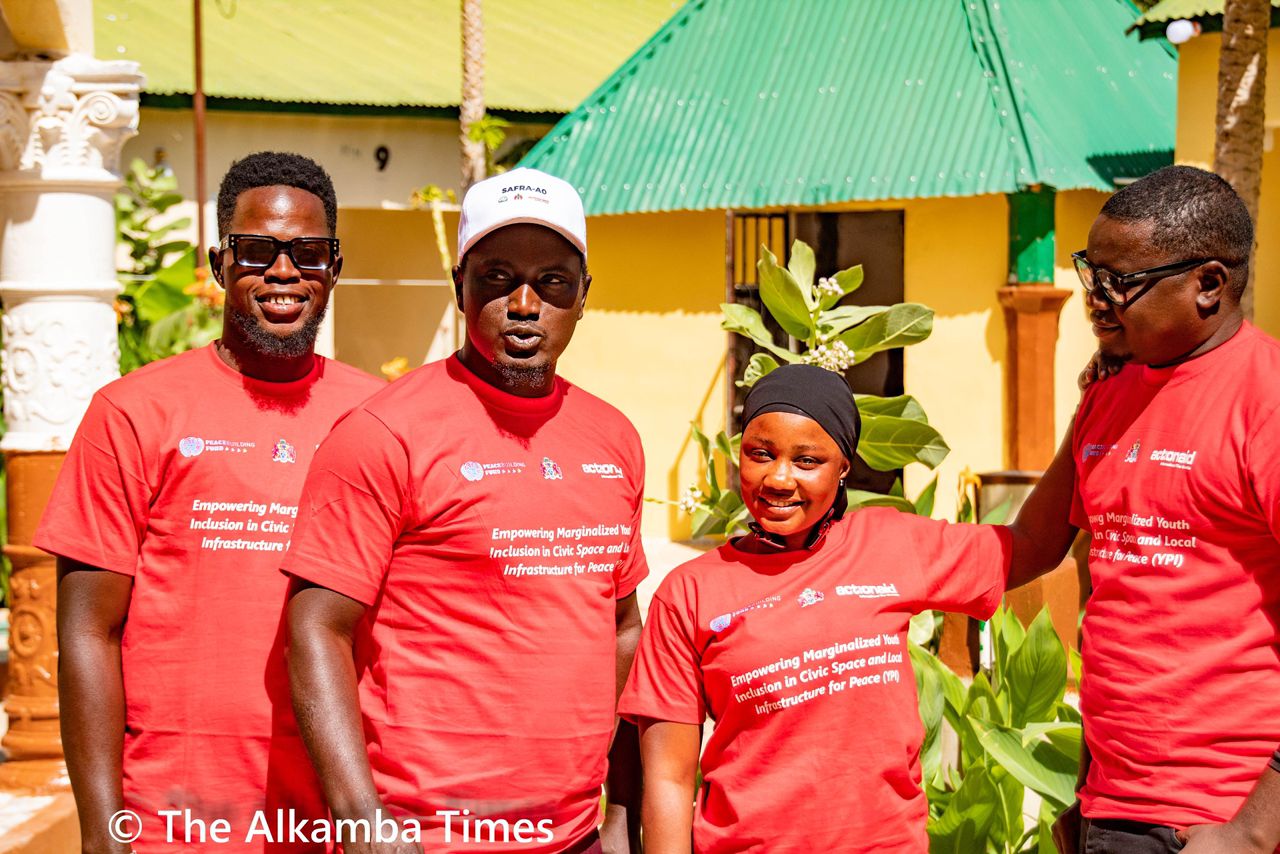
Facilitator Philip A. Gomez stressed the camp’s timeliness, particularly with the 2026 elections approaching. “Organizing this civic education camp is crucial, especially in an election year,” Gomez explained. “Youths are vulnerable to manipulation, but by empowering them with knowledge, we can help them make informed decisions and promote peaceful elections. My goal is to equip them with critical thinking skills, so they can demand accountability and choose leaders who truly serve their interests.”
As the camp wrapped up, participants took a collective pledge to serve as active citizens and peace ambassadors back in their villages and towns. Their energy and determination underscored a growing movement of empowered youth ready to tackle local issues and contribute to national progress.
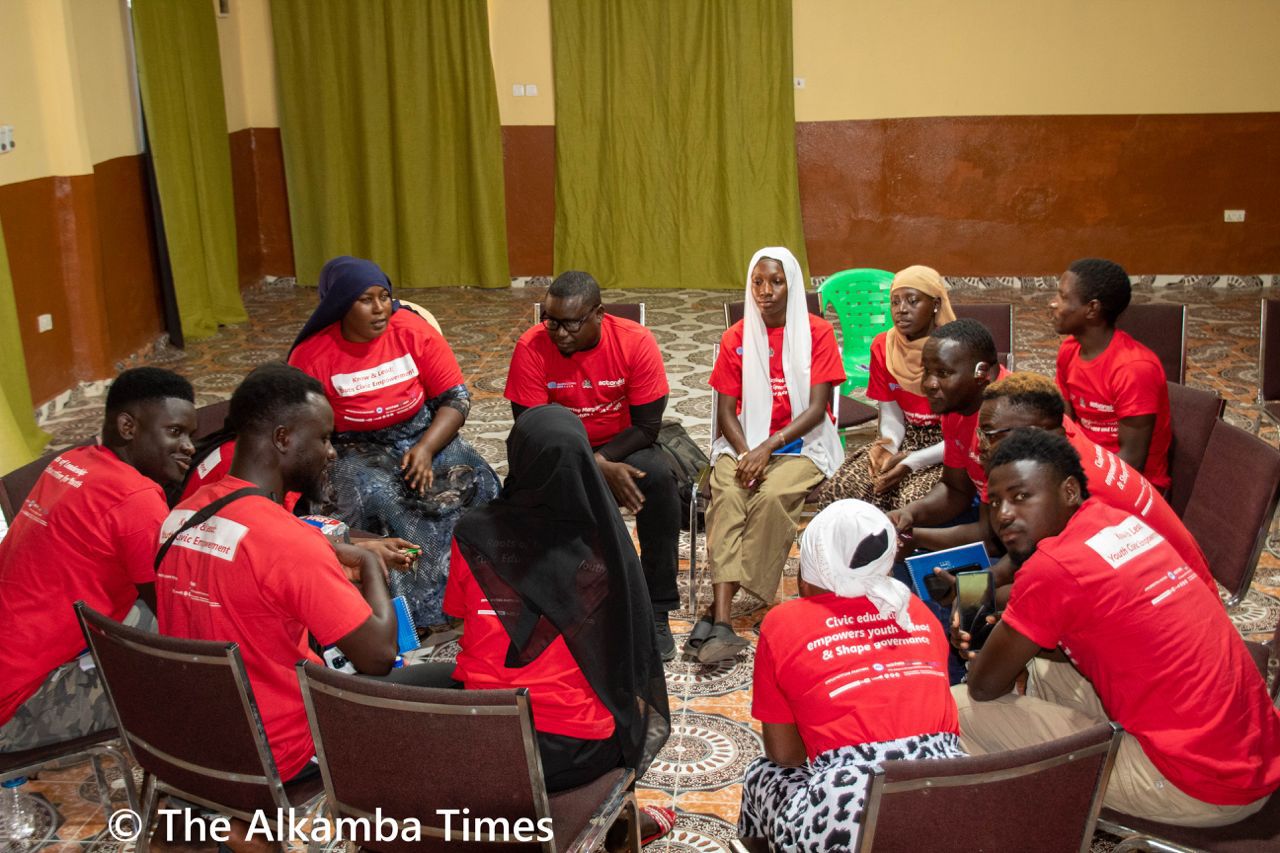
The YPI project continues to prioritize youth leadership development, peaceful engagement, and stronger ties with local authorities and community structures throughout the Central River Region. Organizers view this Wassu camp as an important step in a broader effort to cultivate the next generation of Gambian leaders—one young person at a time.