By Alieu Ceesay
In a passionate plea at a recent regional interface in Mansakonko, Essa Fatty, a youth community member from Jara Karantaba, urged authorities to address the escalating crisis of saltwater intrusion devastating rice swamp fields in the Lower River Region (LRR). The degradation of these vital agricultural lands, once a cornerstone of food security and economic stability, now poses a significant threat to the livelihoods of countless families and communities.
Fatty’s voice carried the weight of urgency as he described the dire situation facing rice farmers. “Our primary source of income and family food security is on the verge of collapse,” he said, highlighting how saltwater from the river is infiltrating rice fields, rendering them increasingly unproductive. “If we allow saltwater to reach certain levels within the riverbanks, it will decrease rice cultivation in the country and put food security at risk.”
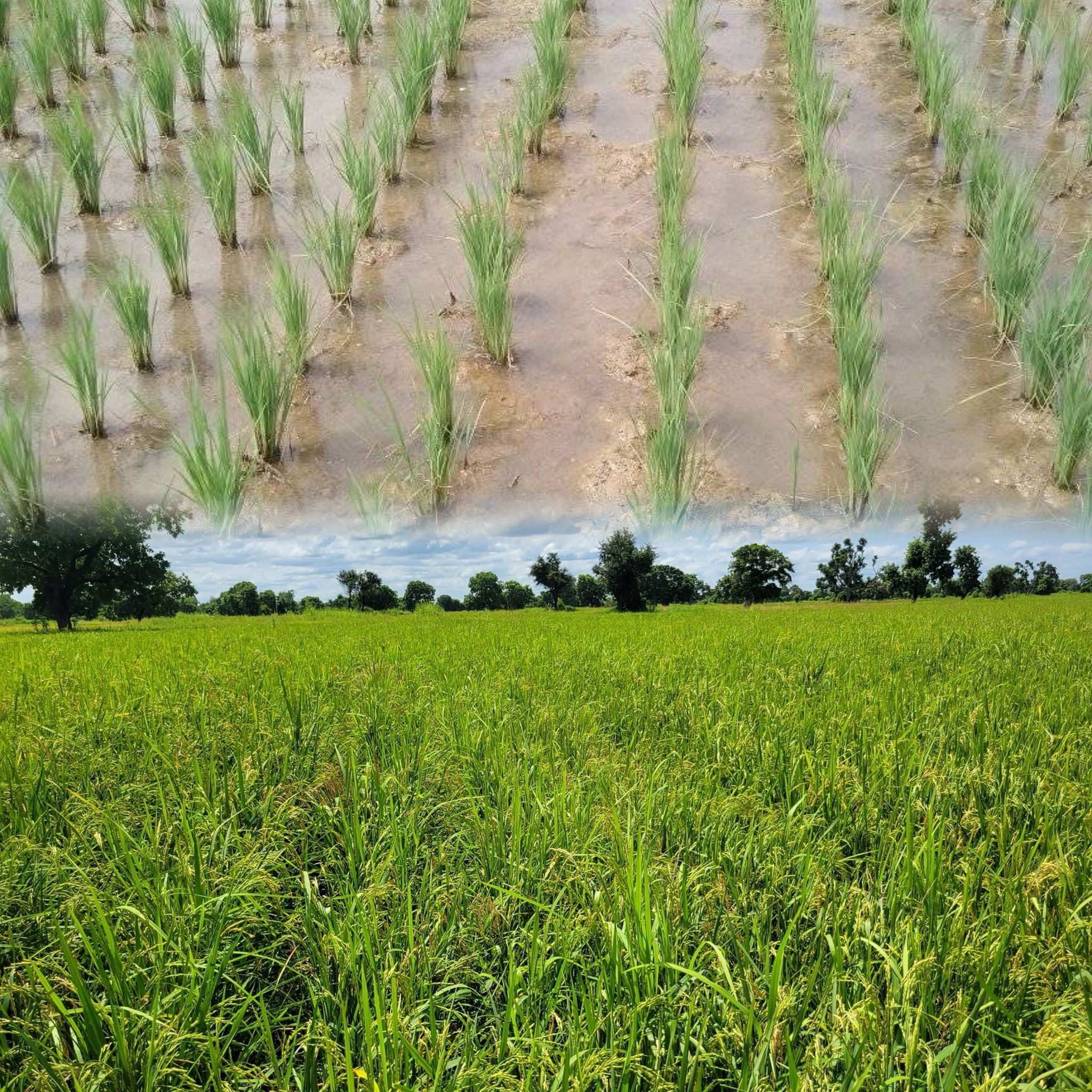
Rice cultivation is a critical pillar of the LRR’s economy and sustenance, but the encroachment of saltwater has left some fields abandoned, with farmers unable to cultivate due to high salinity levels. Fatty warned that without swift intervention, the damage could become irreparable, jeopardizing the lives and livelihoods of entire communities. “This is something that our leaders and authorities should know and take steps,” he urged.
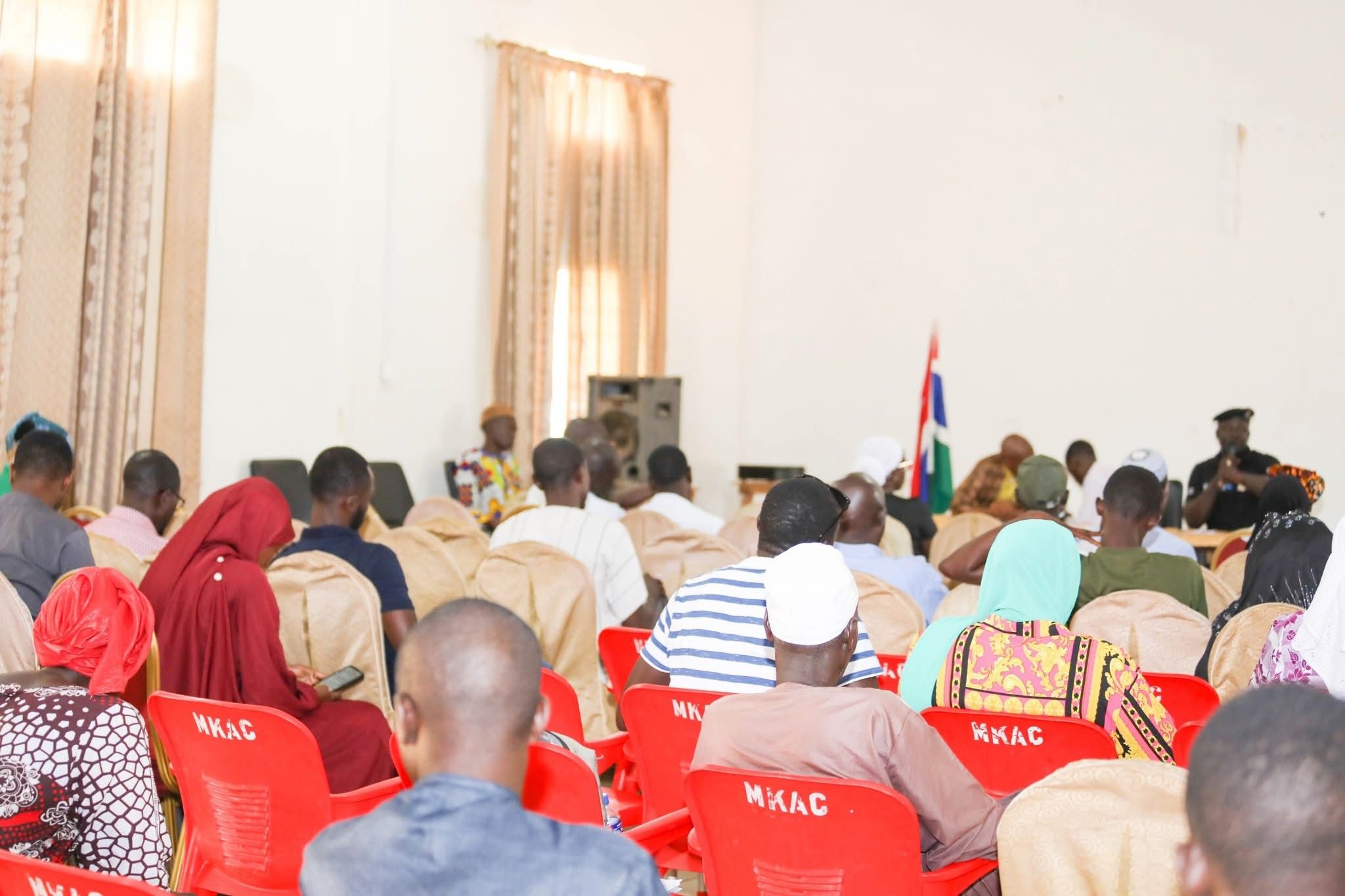
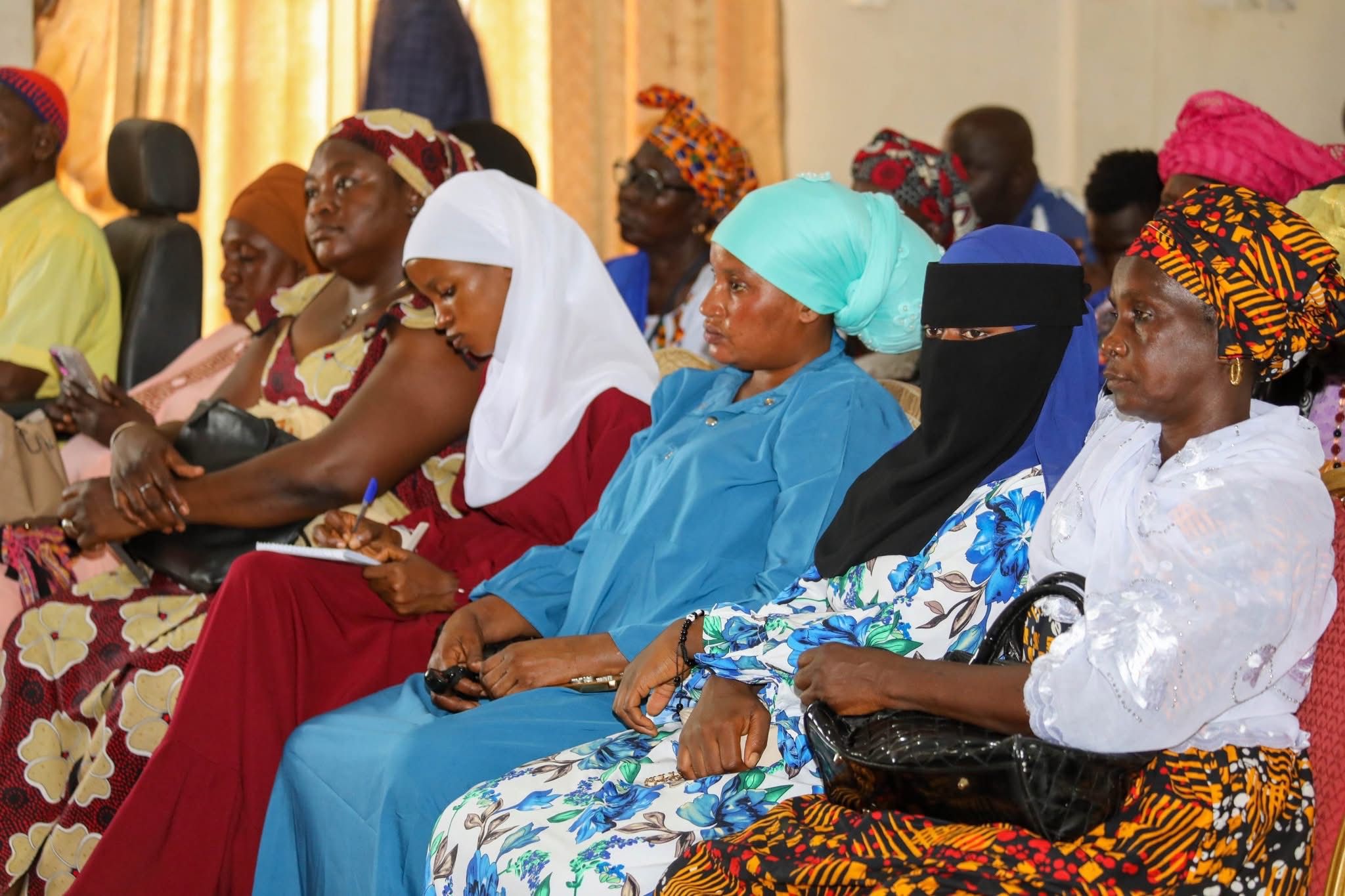
The issue was raised during the quarterly meeting of the Technical Advisory Committee (TAC) in LRR, a platform supported by ActionAid International, The Gambia (AAITG) to foster dialogue between government institutions, local residents, and duty bearers. The initiative aims to promote citizen participation, awareness, and good governance. Saikou Darboe of AAITG emphasized the importance of such engagements, stating, “The Technical Advisory Committee meeting is not about favoritism; it’s mandatory for every institution operating within the region using taxpayers’ funds. It’s about delivering quality service to the people.”
In response to the concerns raised, Elizabeth B. Mendy, the ROOTS Regional Coordinator for LRR, outlined ongoing efforts to combat the crisis. She explained that the ROOTS project, which focuses on agricultural productivity and climate change adaptation, is prioritizing infrastructural solutions to protect rice fields. “We are working on constructing dikes and spillways,” Mendy said. “These infrastructures will help retain water within the rice fields while blocking saltwater from the river from intruding.”
Mendy further noted that the ROOTS project is supporting communities with salt-tolerant rice varieties, such as those developed in Israel, through a rice input subsidy program. “Eventually, this would help in mitigating the effects of climate change and saltwater intrusion into the rice fields,” she added. These measures aim to bolster resilience against environmental challenges and safeguard agricultural productivity in the region.
The TAC meeting underscored the growing urgency of addressing saltwater intrusion, a phenomenon exacerbated by climate change and rising sea levels. The intrusion not only threatens rice production but also jeopardizes the economic stability and food security of vulnerable communities in LRR. The dialogue underscored the necessity for coordinated, timely interventions to safeguard the region’s agricultural heritage and the well-being of its residents.
For many in Jara Karantaba and surrounding areas, rice farming is more than a livelihood—it is a way of life. The loss of arable land to saltwater intrusion represents a profound threat to their cultural and economic identity. As Fatty and other community members await action, their call for urgent measures resonates as a reminder of the broader challenges facing agricultural communities in the face of environmental change.
The TAC convergence, supported by AAITG, serves as a critical platform for amplifying these voices and fostering collaboration between communities and authorities. As the region grapples with the impacts of climate change, initiatives like ROOTS and the commitment of local leaders will pave the way for sustainable solutions, thereby preserving the rice fields that have long sustained the people of LRR.