By: Kebba Ansu Manneh
Scores of women vegetable gardeners in Sanyang, Kombo South District, West Coast Region, are raising alarm over insufficient support from local authorities and state institutions, exacerbating longstanding challenges that threaten their livelihoods.
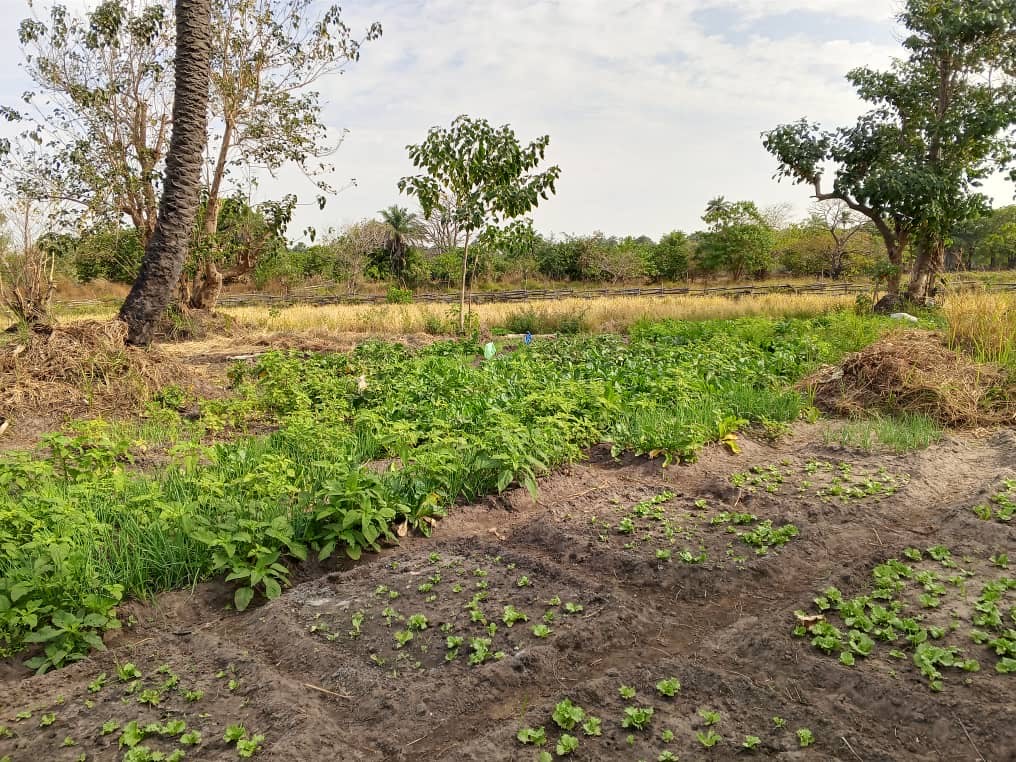
The women, who rely on small-scale gardening to sustain their families, face repeated crop destruction by stray animals, difficulties securing reliable water supplies, and inadequate access to fertilizers. Many report spending significant personal funds—such as over D20,000 for fencing and labor to dig wells—without assistance from the Sanyang Village Development Committee or government programs.
Fatou Conteh, a dedicated gardener, described the daily hardships in a recent interview with The Alkamba Times: “We are very vulnerable as women gardeners,” she said. “The amount of energy we spend daily working on our gardens with less financial return makes it worse. I had to spend over D20,000 to fence my garden and pay laborers to dig a local well for watering crops. What we are asking for is simple: help from the Village Development Committee with fencing and water supply to ensure sustainable livelihoods. I cannot remember any day we received support from the committee.”
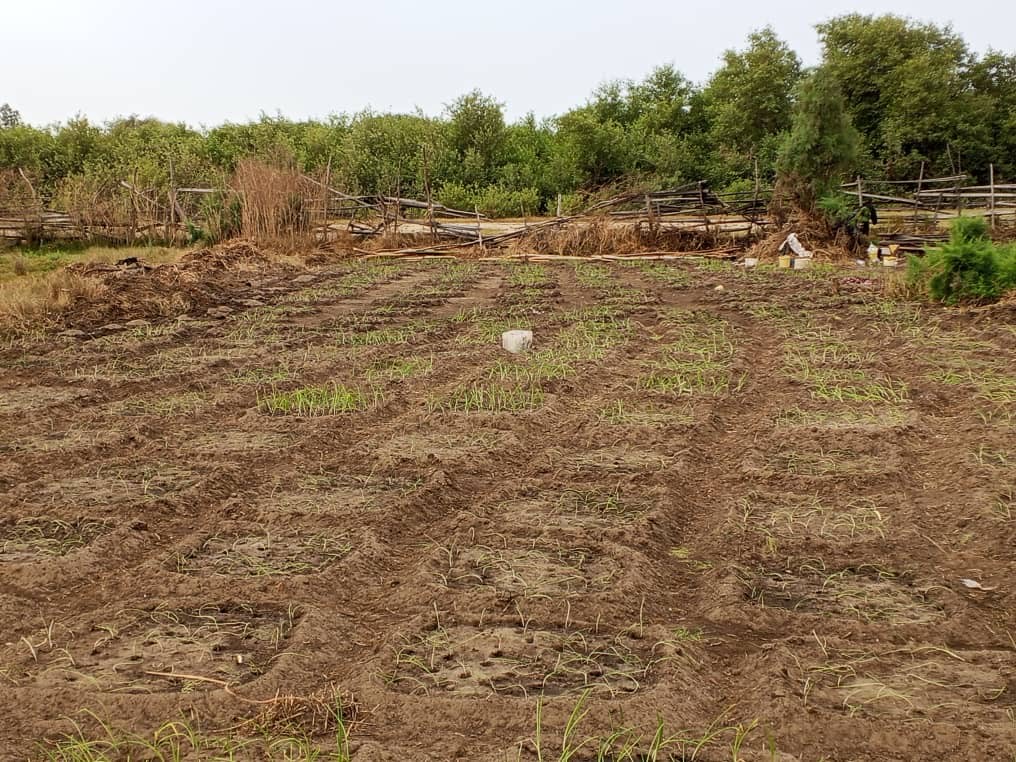
Compounding these issues is the impact of a nearby fishmeal processing factory, identified locally as the Nessim Fishmeal Factory. Gardeners accuse it of emitting black smoke and strong odors that attract flies and pests, damaging vegetables such as tomatoes and forcing the abandonment of fields during operations.
Binta Saidy, another affected gardener, highlighted the factory’s role in crop losses. “Any time the fishmeal factory is in operation, we totally abandon our fields due to the bad odor,” she explained. “The worst is the damage caused by certain white flies coming from the factory. Whenever we complain to authorities, nothing is done about it.” She added that no compensation has been provided despite repeated grievances.
The complaints align with broader concerns in Sanyang, where similar issues have fueled protests over the years. Reports from environmental groups and human rights organizations have documented increased pest populations—such as black flies and white/greenish varieties—attributed to the factory’s odor, leading to higher pesticide use, reduced yields, and economic strain on women farmers.
In response, Sheriff Bojang, a member of the Nessim Fishmeal Factory’s staff, defended the company’s operations. “Since the commencement of its operations, the factory has satisfied all environmental regulations required,” he stated. “We have been rendering corporate social responsibility to the community and its people, giving millions of dalasi in services. These allegations from the women gardeners are baseless and unfounded. What scientific research has been carried out to ascertain that flies destroying their crops are coming from the factory? The factory has been fulfilling its responsibility as a company to the community.”
The factory’s activities have also affected other local businesses. Fatou Gibba, who runs a restaurant near the village’s fish landing site, expressed frustration over declining sales. “Business is not operating as expected as before,” she said. “In the past, we used to cook nearly two bags of rice for customers, but that is no longer happening because anytime we serve food, most customers abandon their plates due to the bad odor from the factory. How do you expect us to keep customers when everywhere is polluted?”
These grievances underscore deeper tensions in Sanyang, a coastal community long reliant on fishing, tourism, and small-scale agriculture. Women gardeners and other residents continue to call for concrete interventions, including fencing, irrigation support, pest control measures, and stricter oversight of industrial operations to protect vulnerable livelihoods.
Local leaders and authorities have yet to announce specific responses to the latest appeals, leaving many in the community hoping for timely action to safeguard their economic futures.