By: Momodou Gagigo
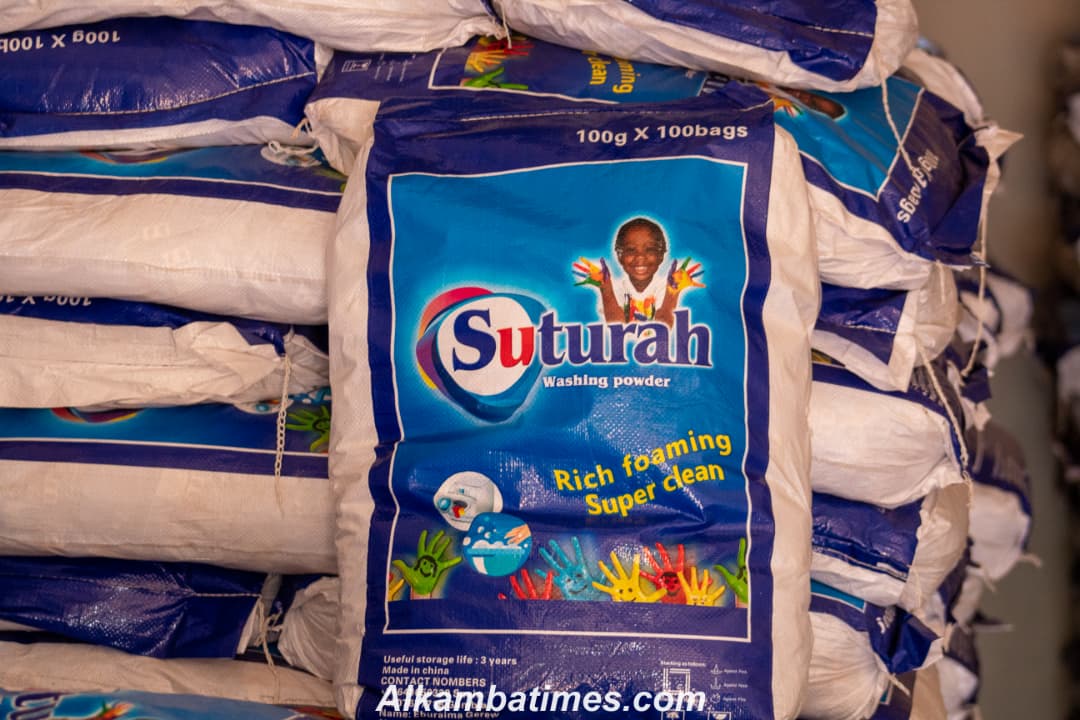
At 32, Ebrima Gerrew could have stayed comfortably in Spain, where for two decades he built “Abayaa,” a thriving Islamic women’s wear business. Instead, the son of Baja Kunda has returned to The Gambia with a bold new venture: Sutura, the country’s newest home-grown detergent brand that is already turning heads.
Named after the Soninke word for “secretive,” Sutura reflects Gerrew’s quiet determination to do things differently. “I wanted to create something that enters every home, every day – something clean, affordable, and proudly Gambian,” he says during a tour of his modest production facility in Greater Banjul.
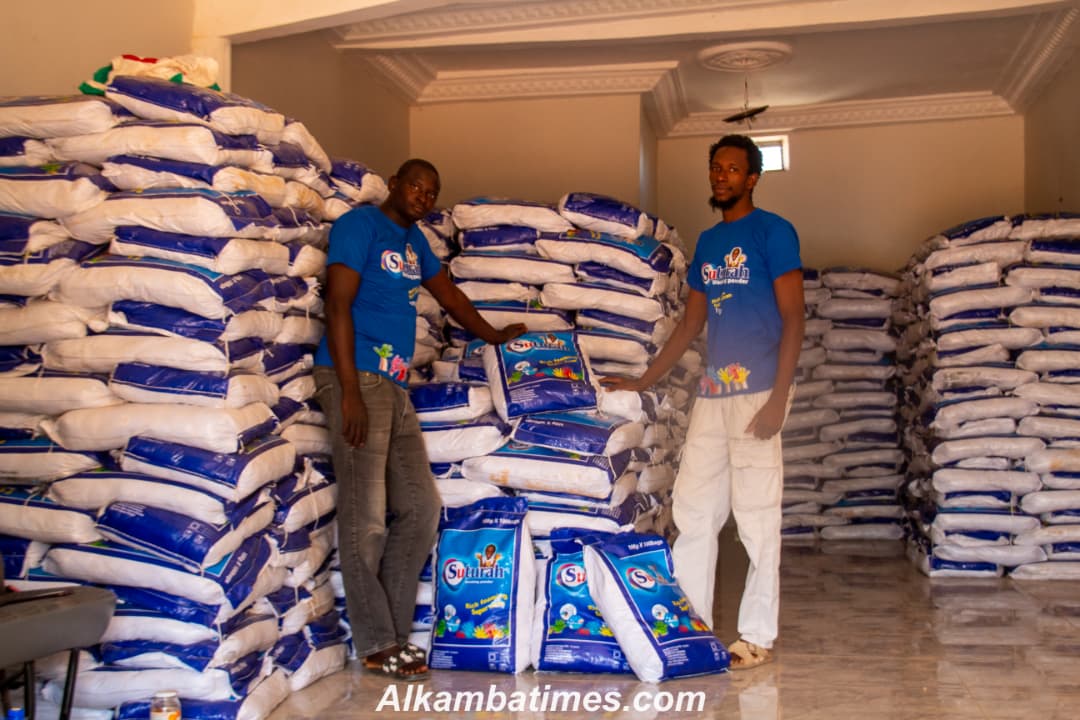
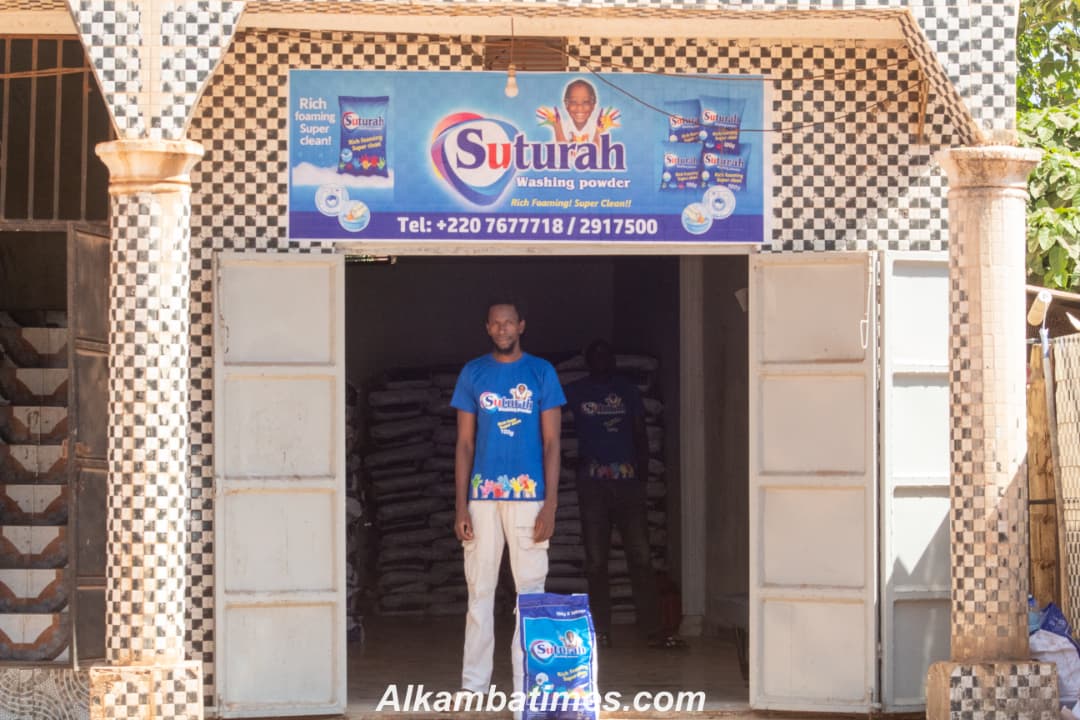
The plant currently produces liquid detergent, dishwashing liquid, and multi-purpose cleaners, with powder variants in the pipeline. Prices are deliberately set low to compete with imported brands that dominate supermarket shelves. “Quality doesn’t have to be expensive,” Gerrew insists. Early customers agree; local shops report brisk sales and repeat orders within weeks of launch.
For Gerrew, Sutura is personal. “Many Gambians in the diaspora talk about investing back home, but few leap. I’m showing it can be done.” His journey challenges the narrative that returning professionals must limit themselves to real estate or remittances. Instead, he is building a manufacturing business that creates jobs and keeps money circulating locally.

The entrepreneur is quick to credit his Spanish experience for teaching him supply-chain discipline and branding. Yet he is equally proud that every raw material, except specialised chemicals, is now sourced within The Gambia. “We’re proving we can produce at international standards right here,” he says.
As Sutura rolls out to more regions, Ebrima Gerrew’s story is resonating far beyond Baja Kunda. Young Gambians abroad are messaging him daily, asking how they can invest meaningfully at home too.
In a country hungry for home-grown success stories, Gerrew’s quiet revolution in a bottle is making plenty of noise. With expansion plans already underway, one thing is clear: the boy who left The Gambia twenty years ago has returned not just to do business, but to help wash away doubts about what the diaspora can achieve when it comes home.