By Momodou Gagigo
In villages and rural communities throughout The Gambia, smallholder farmers—many of them women—are spearheading a growing movement away from imported chemical fertilizers toward traditional and locally produced organic alternatives. Fueled by concerns over soil degradation, rising input costs, climate vulnerability, health risks, and environmental damage, this transition is gaining momentum and official recognition as a pathway to resilient, sustainable agriculture.
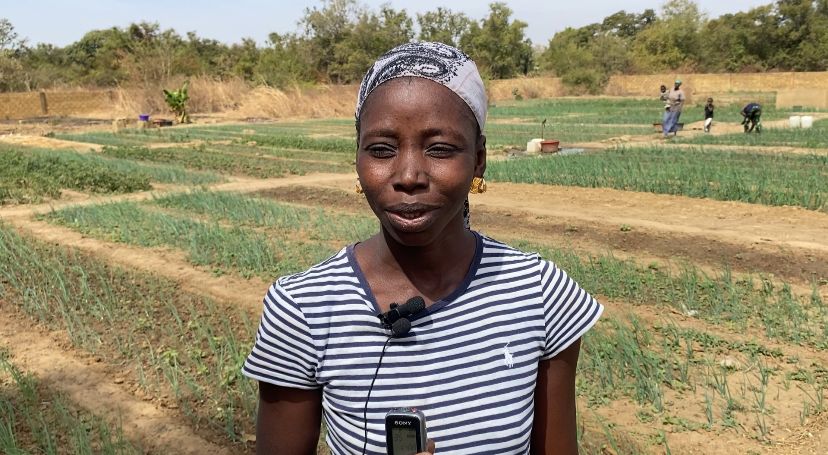
For years, synthetic fertilizers promised quick yields and attractive crops, but farmers increasingly report drawbacks: rapid post-harvest spoilage, declining soil fertility, and dependency on expensive chemicals. “We don’t support chemical fertilizer, even though it makes the crops look beautiful and big,” said Kumba Sowe, a farmer from the Lower River Region. “In the future, there is always a negative impact. The new harvest gets rotten shortly after harvesting.”
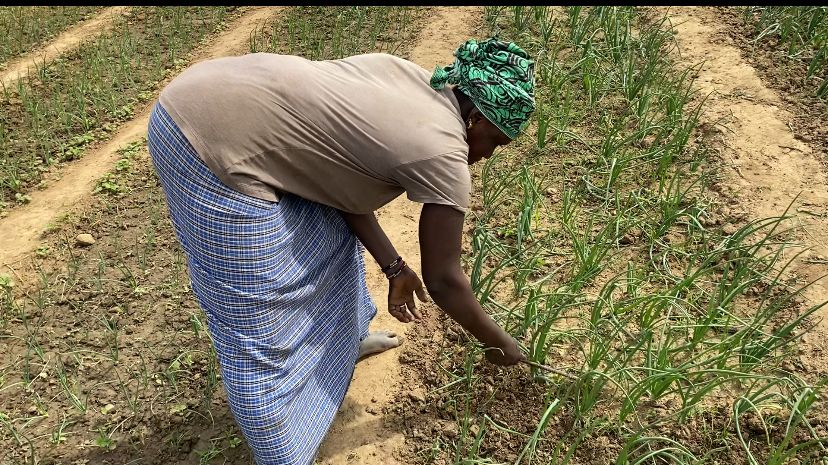
Communities have responded by reviving indigenous methods. Women farmers collect animal manure, mix it with grass and crop residues, compost it, and share the resulting nutrient-rich organic fertilizer. “We now use our own methods… The crops look very healthy, and they are chemical-free,” Sowe added. These low-cost techniques draw on local resources, reduce reliance on volatile global markets, and rebuild soil structure over time.
Advocates highlight serious risks of chemical overuse. Muhammed Bangura, an organic farming promoter, warned that runoff pollutes rivers and groundwater—critical in an agriculture-dependent nation—while harming aquatic ecosystems. “Chemical fertilizers can pollute water sources through runoff, harming aquatic life,” he said. Prolonged use also strips soil nutrients, requiring ever-higher doses to maintain output.
Environmental activist Ebrima Sowe emphasized human health impacts: respiratory problems from inhaling dust, skin and eye irritation from contact, and broader risks from contaminated water and food. “In The Gambia’s fertile agricultural lands, the use of chemical fertilizers is widespread, but few people realize the dangers,” he noted. “Prevention is even better.”
Recent initiatives have accelerated the shift. Community-led programs, often backed by organizations like ActionAid International, The Gambia, and funded by the European Union, have trained hundreds—particularly in Central River and North Bank regions—in composting and agroecology. In some areas, entire villages have phased out chemical use, reporting improved crop quality and soil health. Projects like Rokosan Organic Fertilizer and others promote homegrown solutions, with government officials urging a move toward “going organic” to combat climate change.
In late 2025, calls intensified to reallocate budget funds from imported chemicals to local organic production, as advocacy groups highlighted the millions spent annually on synthetics compared to the untapped local potential. Farmers note that organic methods cut costs, enhance climate resilience amid erratic rains, and align with global demand for healthier produce.
“More farmers are turning to organic alternatives that protect our health, soil, and water,” Sowe said. “This could be the future of Gambian agriculture.”
As climate pressures mount and traditional knowledge proves effective, The Gambia’s farmers are demonstrating that sustainable farming—rooted in community cooperation and environmental stewardship—offers not just survival, but a thriving, self-reliant path forward.