By Fatou Dahaba
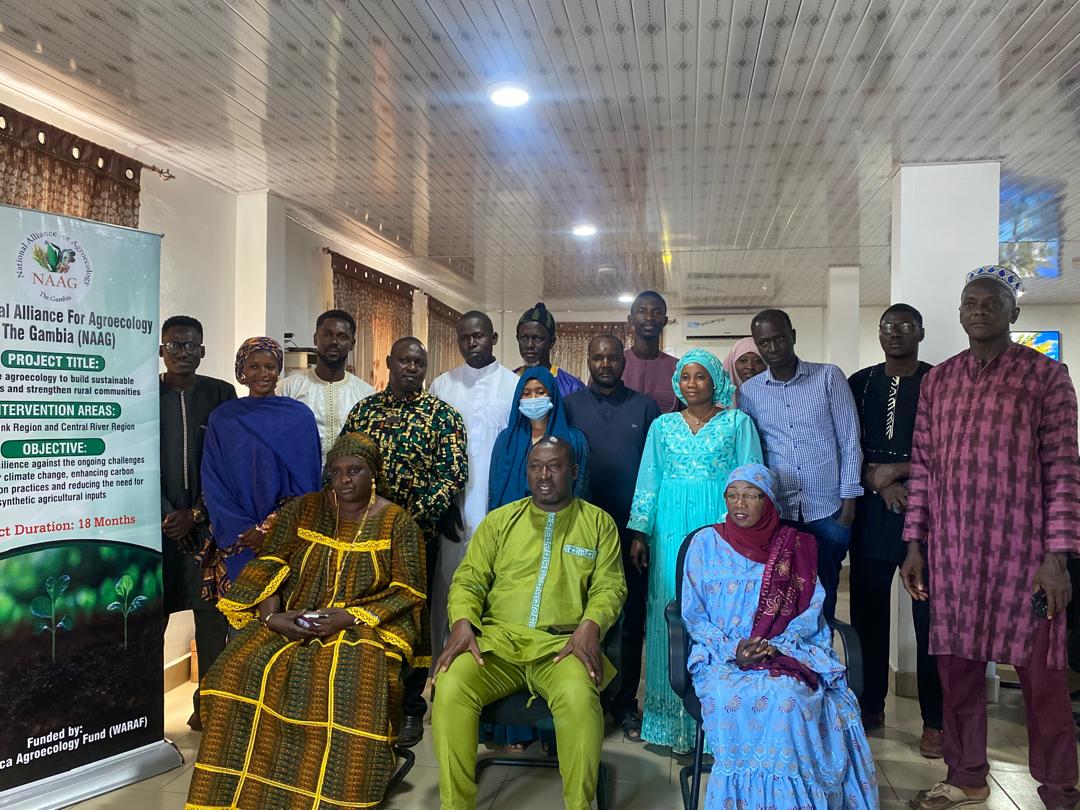
Farmers, media professionals, and government officials convened at the Action Aid Conference Hall on Friday, April 24, for a national workshop organized by the National Alliance for Agroecology Gambia (NAAG). The gathering served as a powerful call to action to revive traditional farming practices, restore soil health, and build resilient food systems amid the challenges of industrial agriculture.
The workshop, held under the project “Promote Agroecology to Build Sustainable Livelihoods and Strengthen Rural Communities,” aims to embed agroecological principles into national climate and biodiversity strategies. It focuses particularly on the Central River Region and North Bank Region, where farmer-led innovation is expected to enhance food security and environmental sustainability.
Fatou Jammeh, Deputy Permanent Secretary for Projects and Programs at the Ministry of Agriculture, reaffirmed the government’s commitment to sustainable agriculture. She highlighted agroecology as a key component of broader initiatives supported by the Committee for World Food Security (CFS) and the Food and Agriculture Organization (FAO).
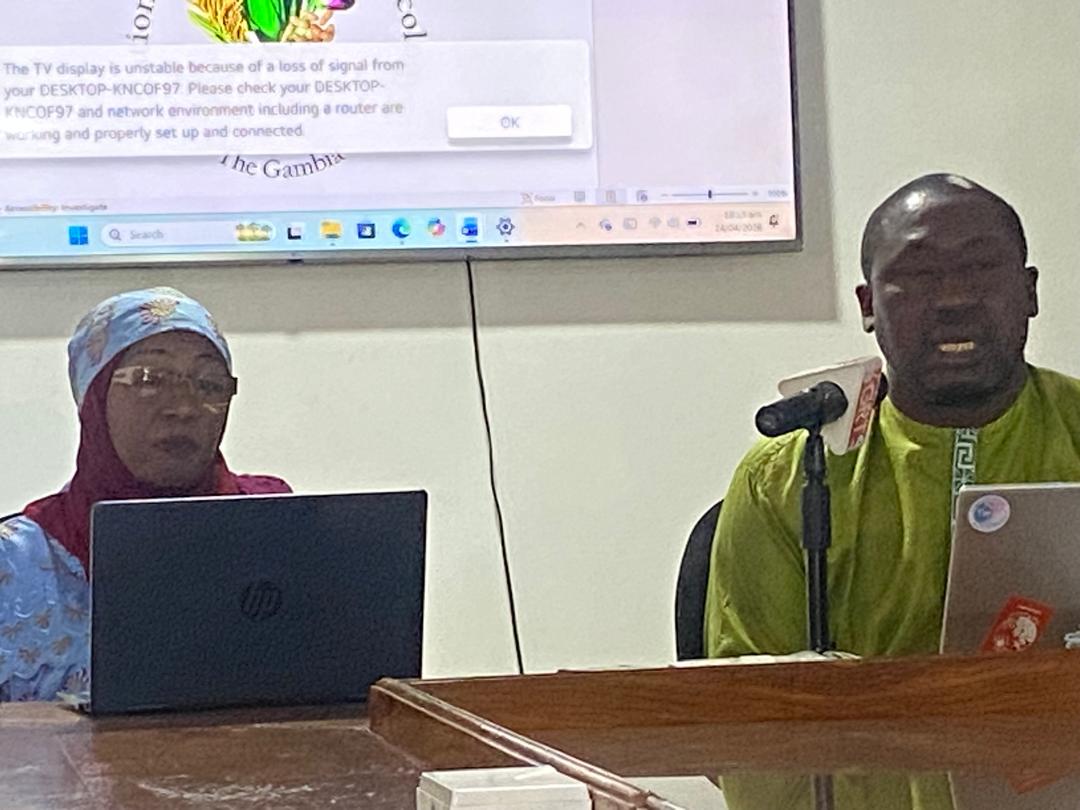
“Transitioning from conventional farming methods to agroecological practices is essential for ensuring food security and environmental sustainability in The Gambia,” Jammeh said. She pointed to the negative health impacts of chemical fertilizers and praised traditional methods that once produced nutritious food without degrading the environment.
Jammeh stressed the importance of healthy soils for quality food production and called for stronger collaboration among farmers, NGOs, and government bodies. She also advocated integrating local knowledge with scientific innovation while promoting transparency in sharing agroecology information.
Musa Sowe, Secretary General of NAAG, traced agroecology’s roots back to the 1930s and criticized industrial agriculture for causing soil degradation and health issues. He reminded participants that Gambian farmers have historically used natural resources such as cattle dung and crop residues to maintain fertile soils.
“Healthy food cannot be produced if our soils are sick,” Sowe declared. He urged a collective return to natural farming methods, respect for traditional production calendars, and learning from experienced farmers. Sowe emphasized that no single organization can tackle food security challenges alone and called for active community engagement to promote healthier food systems. “The well-being of our citizens is directly linked to the quality of what they eat,” he added.
The workshop’s key objectives include fostering a shared understanding of agroecology among stakeholders, equipping participants with practical tools for implementation, promoting collaboration among farmers, policymakers, and the media, and empowering organizations to influence national policies for sustainable agriculture.
Organizers hope the event will catalyze a nationwide movement toward nutritious, environmentally friendly food production, strengthening rural livelihoods and building long-term resilience against climate change. As The Gambia grapples with food security pressures, participants left the hall motivated to translate discussions into tangible action on the ground.