By: Alieu Ceesay
For many groundnut farmers in The Gambia, the end of the harvesting season usually brings relief and hope for a better future. But for Ebrima Jammeh and dozens of others in Kiang West, this year’s season has brought nothing but prolonged uncertainty and financial hardship.
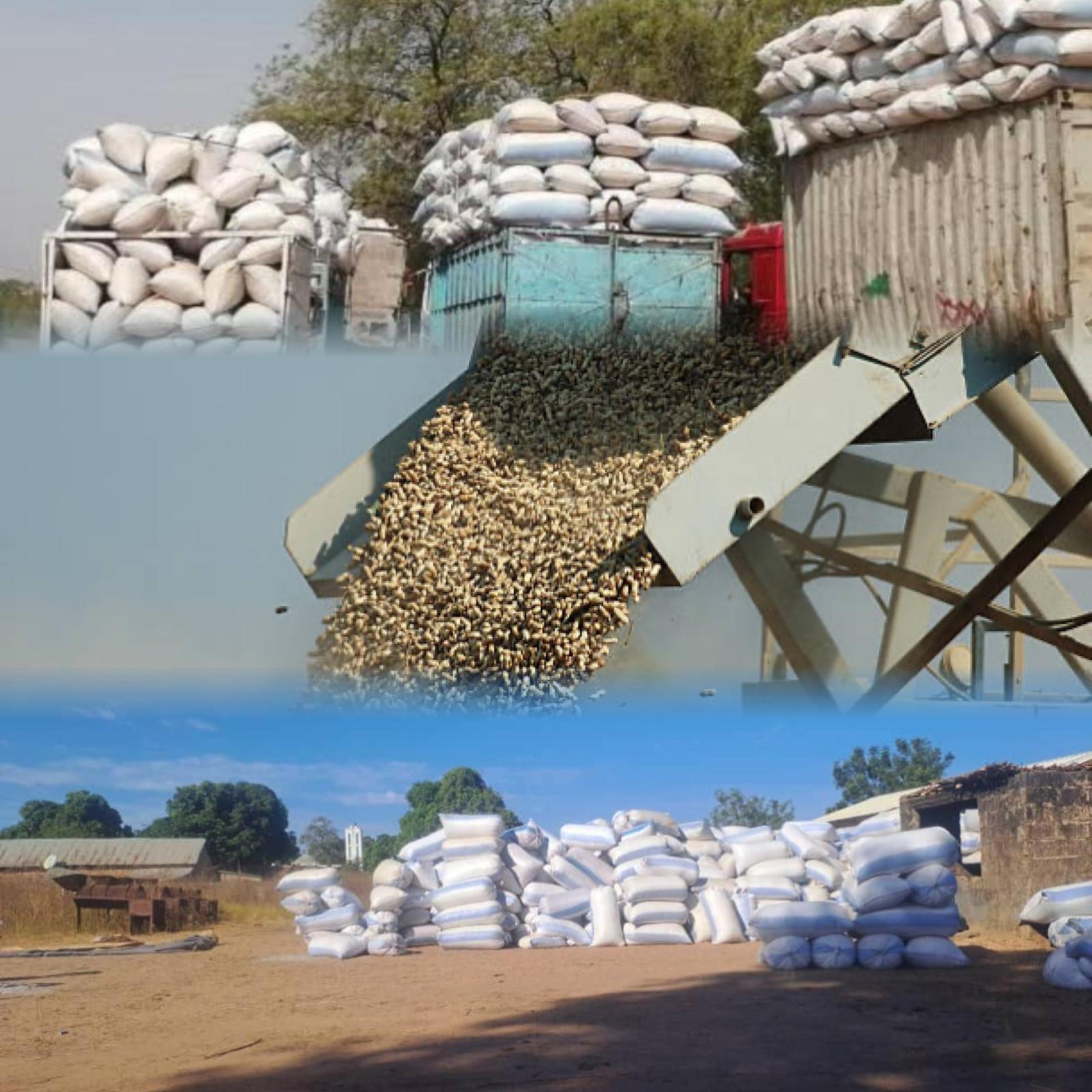
Jammeh delivered his groundnuts to the local secco (buying point) before Ramadan, expecting prompt payment from the government’s groundnut trade system. Nearly six months later, he is still waiting. The delay has left him struggling to provide for his family and meet daily needs.
“We took our groundnuts to the secco before Ramadan, but up to date we haven’t received our money,” Jammeh lamented. “It is causing me a lot of difficulties, as I farmed with my relatives whose needs can’t progress because the money is still not paid.”
Jammeh is one of several farmers in the area who have voiced serious concerns over the delayed payments. The situation, they say, is not only affecting their immediate livelihoods but also disrupting plans for reinvestment in the next farming season and small business initiatives that many had hoped to launch with their earnings.
Groundnut farming remains a cornerstone of rural economies in The Gambia, supporting thousands of families across the country. However, farmers continue to face multiple challenges, including limited access to modern tools, poor market linkages, and, now, unacceptable payment delays.
The frustration is compounded by mixed messages from authorities. Jammeh noted that while some officials claimed payments had already been processed, the secco manager insisted otherwise, leaving farmers confused and anxious.
“Groundnut farming is very difficult,” he said. “We are calling on the government and other authorities to help us get our money.”
Jammeh revealed he is owed more than D80,000. He had planned to use the funds to start a small business to supplement his farming income. Those ambitions are now on hold.
“I farmed so that I can also get something from the farming to run my needs,” he added. “I aimed to do business with the money I would gain from this groundnut. I still can’t get my money to start the business.”
Another farmer, Ousman Drammeh, echoed similar sentiments, describing the delay as “unacceptable” and harmful to families who rely on timely payments to survive and prepare for the upcoming season.
As discontent grows, farmers are urging the government and relevant stakeholders to intervene urgently. They say swift action is needed not only to ease their current hardships but also to restore confidence in the groundnut marketing system, which is vital for the agricultural sector.
Efforts to obtain comments from the Masenbeh Secco President were unsuccessful at the time of publication