By Momodou Gagigo
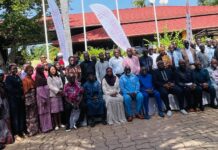
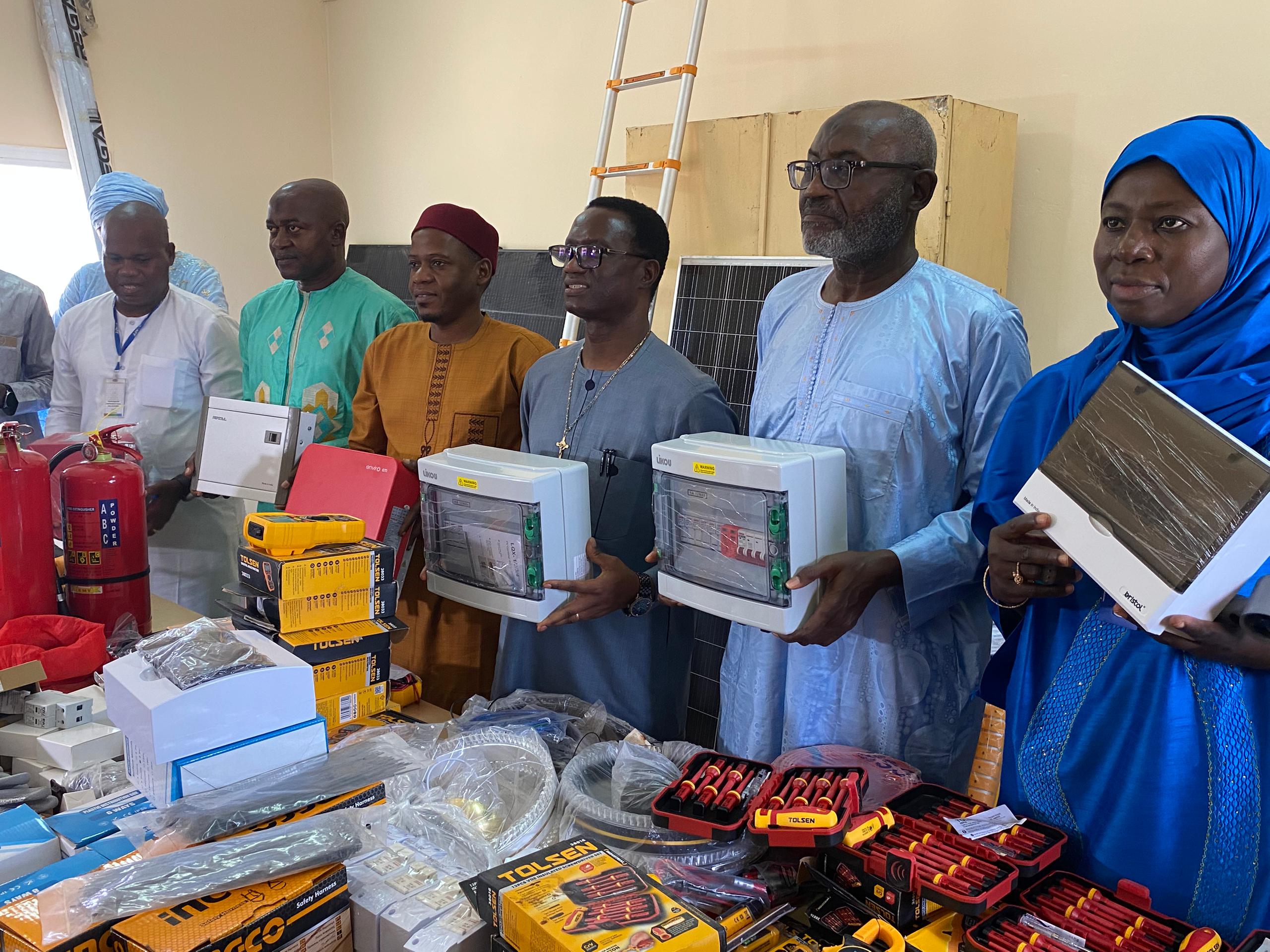
Kanilai and the wider Foni region have received a major boost in skills development and economic empowerment following the handover of equipment worth more than D2 million to the University of Applied Science, Engineering and Technology (USET) Kanilai Campus.
The support package, funded by the International Trade Centre (ITC) under the United Nations Peacebuilding Fund, is expected to strengthen Technical and Vocational Education and Training (TVET), expand access to practical skills, and create new livelihood opportunities for young people and women in the region.
Minister of Higher Education, Research, Science and Technology, Professor Pierre Gomez, described the intervention as a major step in decentralising technical education and empowering rural communities.
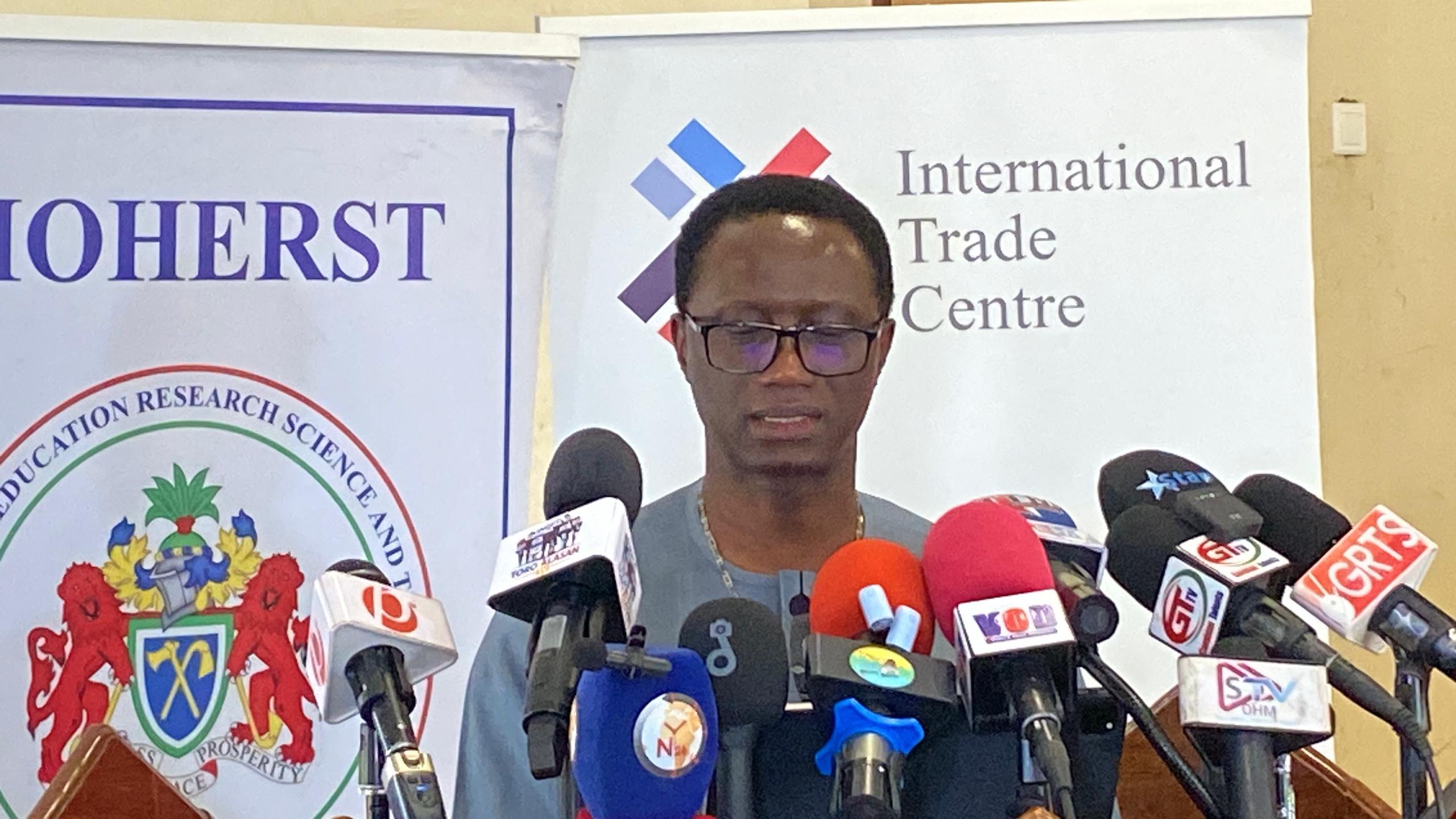
“This investment reflects our commitment to decentralising TVET and ensuring that young people in rural Gambia acquire practical, industry-relevant skills for national development,” he said.
Valued at D2,095,500, the equipment package will enhance training in electrical and solar installation, plumbing, and hairdressing, while improving hands-on learning and employability.
“Students will now gain real practical experience in solar installation, system design, and fault detection—skills critical for supporting The Gambia’s transition to green energy,” he added.
Speaking on behalf of USET, Vice-Chancellor Engr. Prof. Nazmat T. Surajudeen-Bakinde described the support as an investment in the country’s future workforce.
“This is not just a donation of equipment; it is an investment in the future of our students and the advancement of technical education in The Gambia,” she said.
“We are fully committed to using these resources responsibly to support generations of learners,” she emphasised.
ITC Country Representative Yusupha Keita highlighted the wider significance of the intervention, linking skills development to peacebuilding and economic inclusion.
“These are not just assets—they are investments in dignity, productivity, and long-term resilience,” he said.
He noted that ITC’s interventions in The Gambia have already contributed to the creation of more than 5,000 jobs while strengthening TVET centres and supporting youth and women entrepreneurs.
“When communities have access to opportunities and livelihoods, peace becomes stronger and more sustainable,” he added.
Centre Manager Momodou Barry added that the equipment would significantly improve the centre’s training capacity.
“These modern tools will greatly enhance our capacity to deliver effective hands-on training,” he said.
“Our students are now in a stronger position to meet industry standards and contribute meaningfully to national development,” Barry added.
Beyond training, the intervention is expected to expand access to practical skills, promote job creation and self-employment, particularly in solar energy and technical trades, and strengthen women’s livelihoods through garden projects and improved market access.
The provision of solar-powered boreholes and support for women’s gardens is also expected to enhance food security and boost household incomes across the region.