By: Kebba Ansu Manneh
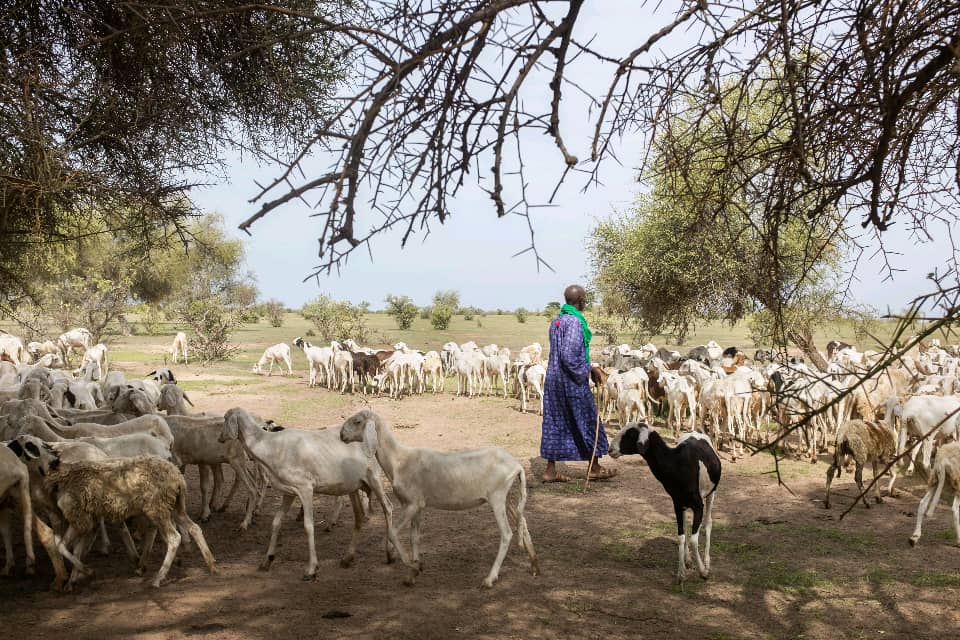
The President of the National Livestock Owners Association (NaLOA), Ebrima O. Jallow, has urged nomadic herders to fully cooperate with veterinary officers and local livestock owners to curb the spread of animal diseases and ease competition over scarce water resources.
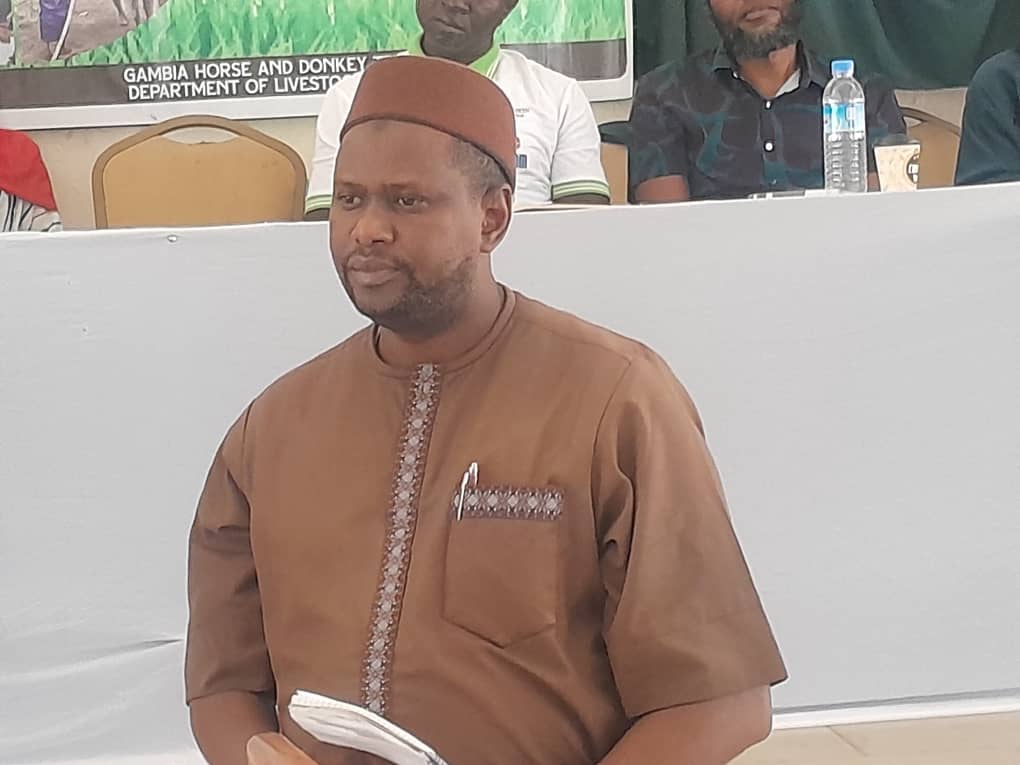
In an exclusive interview with The Akamba Times (TAT) following a nationwide tour, Jallow emphasized that collaboration is essential for peaceful coexistence and sustainable livestock management in the country.
“My advice to the nomadic herders is to always cooperate with veterinary officers spread across the country as well as the local livestock owners,” Jallow said. “Cooperating with them will make life simple and easy for them while they are staying in the country with their animals.”
He highlighted the importance of veterinary cooperation in preventing cross-border disease transmission. “It is important for the nomadic herders to cooperate with the veterinary officers. This will ensure that preventive measures are in place to avoid the spread of cross-border animal diseases and, where possible, to treat their sick animals,” he added.
Equally critical, according to Jallow, is collaboration with local livestock owners to manage shared watering points. “This will accord them the opportunity to access watering points and to avoid conflict of interest through planning of watering timetables for their animals,” he explained.
Jallow strongly condemned the attitude of some nomadic herders who refuse to pay watering fees in certain areas. He reminded them that watering points are community investments managed by dedicated committees for sustainable resource use.
The NaLOA president’s remarks come amid growing concerns among rural livestock owners about increased competition for limited water sources caused by the movement of large herds.
The nationwide tour, recently concluded by NaLOA, aimed to monitor projects funded under the Small Ruminants Enhancement Project, engage district livestock owners, and oversee the election of regional livestock committees. The delegation also assessed initiatives supported by the Food and Agriculture Organization (FAO) and peace-building partners, as well as boreholes constructed by NaLOA itself.
“We were out as a national body to see the activities that are going on by the Small Ruminant and Livestock Enhancement Project that has provided a lot of facilities in terms of animal drinking points,” Jallow stated. “It is also meant to meet our governance system, the district and regional livestock committees, and to attend some AGMs of farmers.”
He expressed overall satisfaction with project management, noting that while most animal drinking points are performing well, a few need to improve their standards.
Jallow concluded by thanking President Adama Barrow and the Minister of Agriculture for prioritizing the interests of Gambian livestock owners. He called on all stakeholders to utilize government- and partner-supported projects responsibly and to place sustainability at the heart of their management strategies.
The appeal underscores ongoing efforts to promote harmony between nomadic and sedentary livestock communities while safeguarding animal health and natural resources in The Gambia.