A prominent Gambian academic and international figure has issued a strong call for President Adama Barrow to decisively tackle rising tribal rhetoric, warning that unchecked divisions could mirror the devastating civil wars that destroyed neighboring Sierra Leone and Liberia.
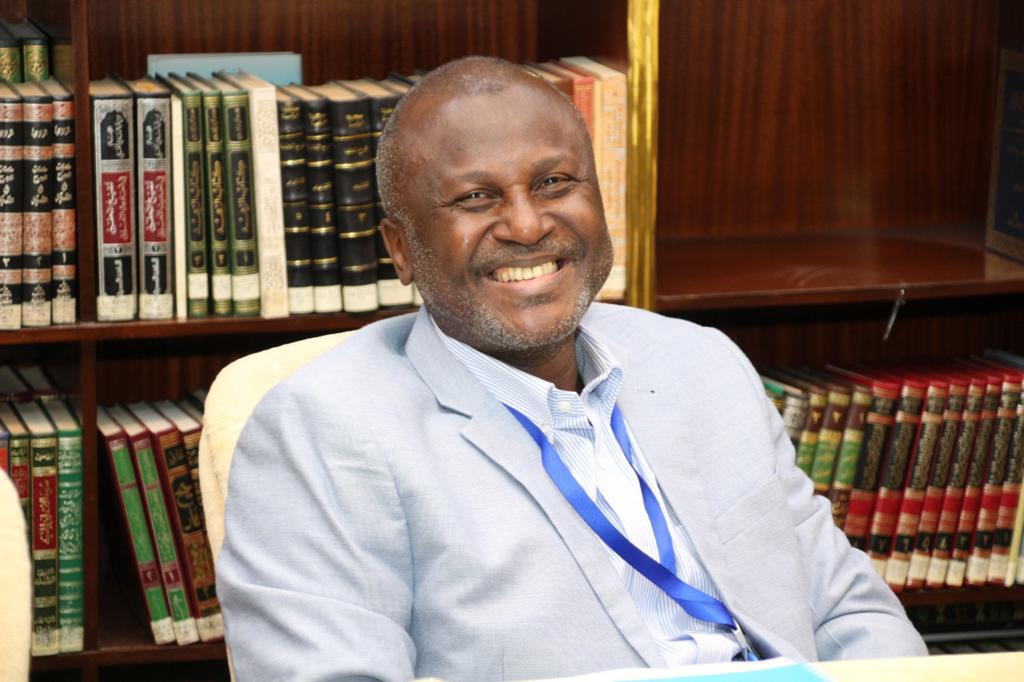
Professor Alhagi Manta Drammeh, Director of Planning, Development, International Cooperation and External Relations at the OIC’s International Islamic Fiqh Academy, delivered the impassioned appeal in a detailed statement.
Drawing from his 2017 address in the United Kingdom, where he spoke as a representative of the Gambian diaspora during President Barrow’s first major state visit following the landmark 2016 election, Professor Drammeh emphasized the urgent need to foster citizenship, national unity, and a shared Gambian identity that transcends ethnic, regional, or political lines.
“Tribalism, in all its forms, is a corrosive force that must be confronted with clarity and courage,” he stated. He highlighted how Sierra Leone and Liberia—once economically stronger and more stable than The Gambia—were ravaged by ethnic conflicts that led to brutal civil wars, massive displacement, and widespread suffering. Millions fled to safety, including to The Gambia, while their nations were reduced to rubble.
Professor Drammeh stressed that social cohesion requires deliberate nurturing through civic education, inclusive national dialogue, and responsible political leadership. He warned that “a single reckless statement” from politicians can inflame tensions, while inclusive governance can reinforce unity and ensure every Gambian feels a genuine sense of belonging.
The professor joined the widespread condemnation of recent remarks allegedly made by Seedy Njie, deputy speaker of the National Assembly, which were perceived as being framed along tribal lines. He described such utterances as “deeply troubling” and urged President Barrow to intervene firmly—not for political gain, but as a sacred duty to protect the nation’s peace.
Gambians have historically prided themselves on tolerance, openness, and inter-tribal harmony, Professor Drammeh noted. “Our greatest strength as a nation has always been our unity—an unspoken understanding that, despite our diverse backgrounds, we are one people with a shared destiny.”
He called for this spirit to be actively protected and transmitted to future generations, warning that failure to do so risks undermining the peace and progress achieved since the country’s transition to democratic rule.