By: Fatou Dahaba
A high-level Gambian delegation that studied Kenya’s Programme-Based Budgeting (PBB) system has returned home with a strong recommendation: meaningful and lasting public finance reform in The Gambia must go beyond technical changes and be firmly anchored in law, robust institutions, and consistent political will.
The delegation, which visited Kenya from 15 to 19 December 2025, included members of the National Assembly’s Finance and Public Accounts Committee and Public Enterprise Committee, senior officials from the Ministry of Finance and Economic Affairs, and representatives from the Office of the President.
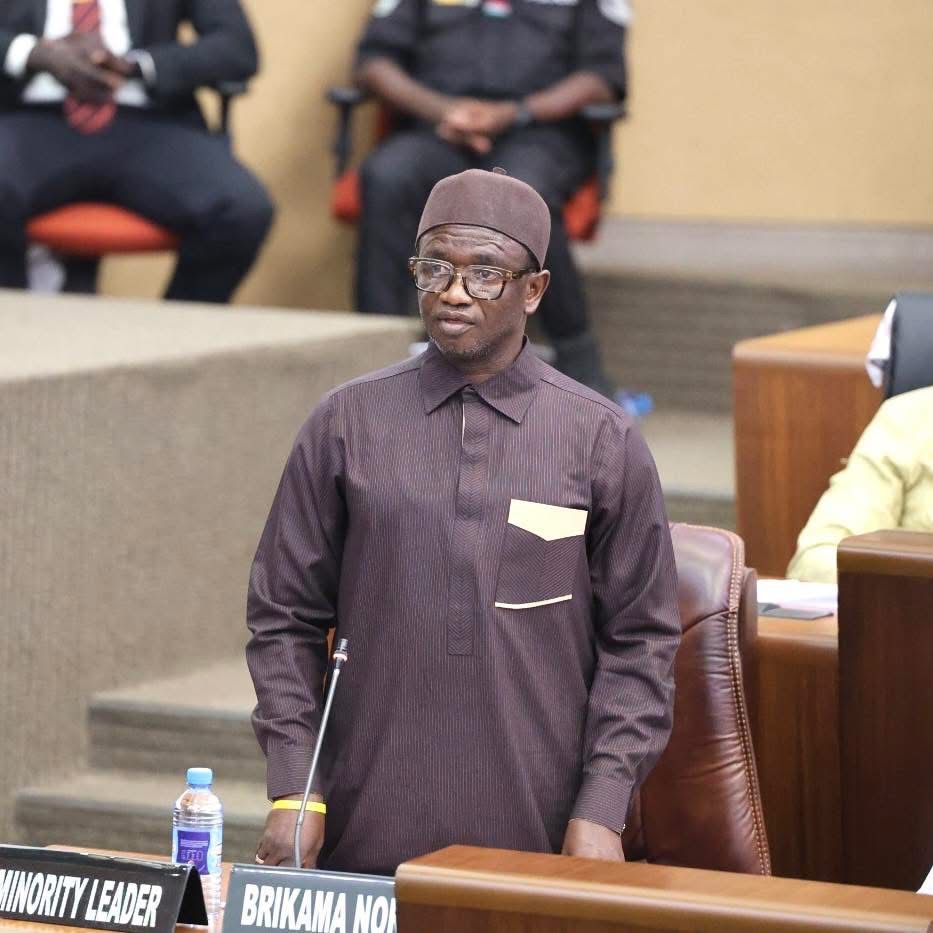
Presenting the study tour report, Hon. Alagie S. Darboe, Member for Brikama North and Minority Leader, emphasized that the visit aimed to examine the institutional, legal, and operational pillars supporting Kenya’s more mature PBB framework.
“The Gambia stands to gain immensely from Kenya’s experience in linking public spending more effectively to policy priorities and measurable development outcomes,” Darboe said.
Key among the delegation’s findings is the urgent need to strengthen parliamentary oversight by establishing or fully operationalizing a dedicated Parliamentary Budget Office. Such a body would equip lawmakers with independent capacity to analyze program design, costing, fiscal risks, and performance data.
The report also stresses the importance of embedding Programme-Based Budgeting in legislation. Kenya’s progress has been buttressed by statutory safeguards, including a comprehensive PBB Manual issued by the National Treasury. For The Gambia, this underscores the need for stronger provisions in the Constitution and the Public Finance Act to shield reforms from reversal due to shifting political or administrative priorities.
Hon. Darboe highlighted the need for clearly defined roles across the entire budget cycle—from planning and execution to reporting, audit, and oversight. Performance information, the delegation noted, must move beyond a mere compliance ritual and become a genuine driver of resource allocation and accountability.
Additional recommendations include bolstering monitoring and evaluation systems, integrating statistical data into budgeting, accelerating digitalization of public financial management, and ensuring closer alignment between annual budgets and national development plans. The delegation also flagged the importance of rigorous performance auditing and prudent wage bill management, cautioning that uncontrolled personnel costs could erode fiscal space and program credibility.
In conclusion, the report presents Programme-Based Budgeting as fundamentally a behavioral and institutional transformation rather than a purely technical exercise. Its success, the delegation argued, will depend on sustained capacity building, effective stakeholder communication, and long-term political and administrative discipline.
The findings are expected to shape ongoing public finance reform discussions in The Gambia as the country seeks to improve service delivery and development impact through more transparent and results-oriented budgeting.