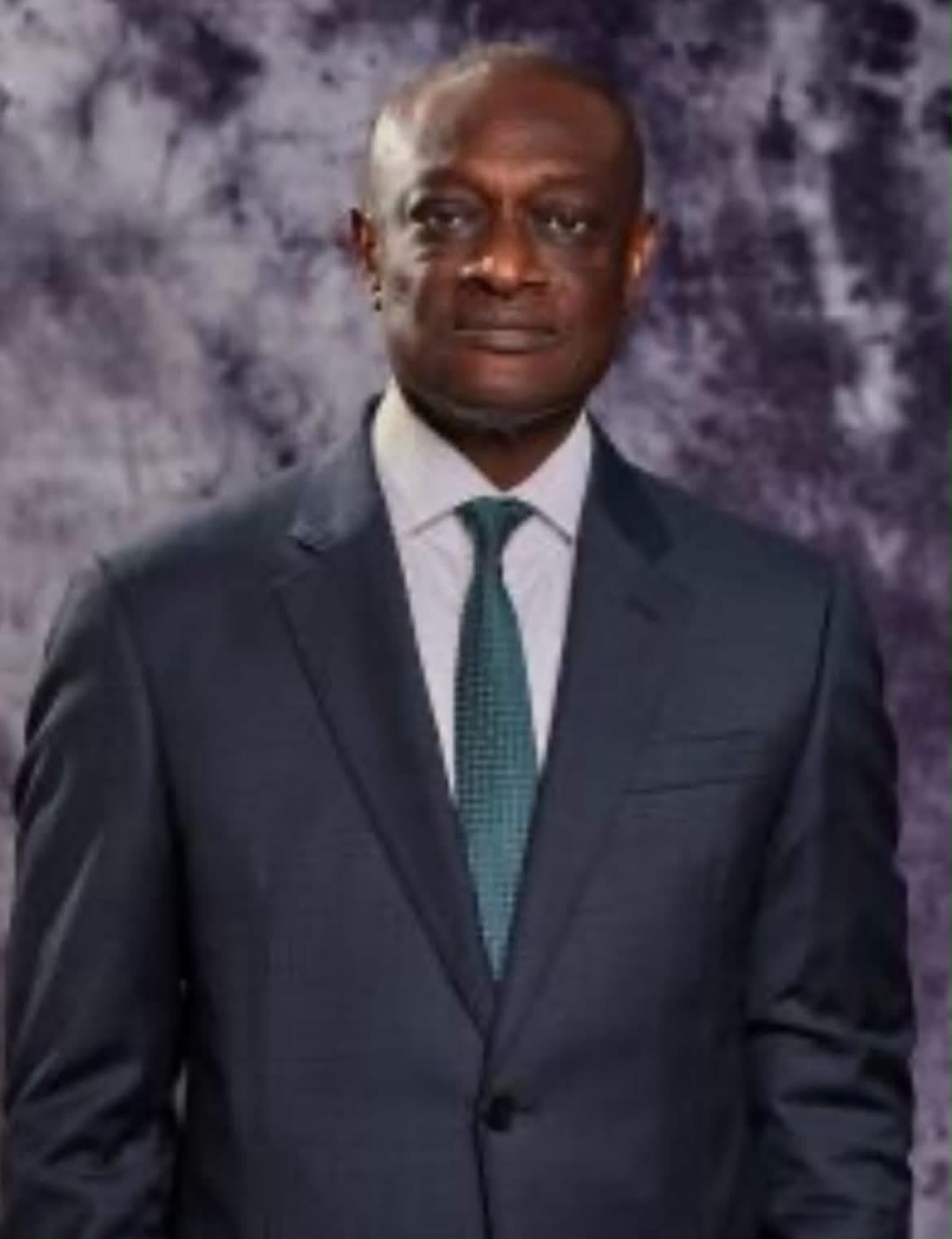
The Gambia Bar Association has convened an emergency meeting to address growing constitutional concerns surrounding the reported appointment of America-based Gambian lawyer Pa Edi MO Faal as the country’s next Chief Justice, replacing retiring Justice Hassan B. Jallow.
Highly placed sources within the legal community told Alkamba Times that the association holds serious reservations about Mr. Faal’s suitability, primarily because he has not been based in or actively practicing law in The Gambia for decades.
The Bar understands that the bench already includes more qualified Gambian candidates with deep local judicial experience who could assume the role.
Among the names repeatedly cited by sources as stronger alternatives are British-trained Supreme Court Justice Cherno Sulayman Jallow, who chaired the defunct Constitutional Review Commission and possesses extensive judicial and constitutional expertise, and sitting Supreme Court Justice Awa Bah.
A senior legal source close to the discussions said the executive should urgently revisit the nomination. The Bar Association is reportedly prepared to challenge the appointment in the Supreme Court if President Adama Barrow proceeds without addressing the concerns.
Another point of contention internally is the statutory retirement age for judges, set at 75.
According to sources, Mr. Faal is 72, meaning he would serve only about three years before mandatory retirement. Justice Jallow is scheduled to step down in August upon reaching the same age limit.
The reported nomination has triggered intense debate among Gambians at home and abroad, with prominent voices offering sharply contrasting assessments of Mr. Faal’s qualifications.
In a detailed critique, economist and author Musa Bassadi Jawara described the appointment as flawed and reckless at this critical juncture in Gambia’s constitutional recovery. He argued that the Chief Justice must be a scholar-jurist capable of authoring jurisprudence that strengthens separation of powers and addresses the legacy of 22 years of autocratic rule. Jawara contrasted Mr. Faal’s record — decades of trial work in California and representation of The Gambia in ICSID arbitration cases — with Justice Jallow’s published books on Gambian law and transitional justice, his role as Prosecutor at the UN International Criminal Tribunal for Rwanda, and his scholarly contributions to constitutional discourse.
Jawara contended that a comprehensive search of major legal databases yielded no books, law review articles, or peer-reviewed papers on Gambian constitutional or criminal law authored by Mr. Faal. He invoked scholars such as Mahmood Mamdani and Lord Bingham to argue that post-autocratic states require judges who have already produced written legal philosophy, not merely litigators whose philosophy remains untested in the public domain.
Taking a different stance, US-based Gambian lawyer Sarjo Barrow, Esq., expressed support for the nomination in principle, provided it meets the precise requirements of Section 139 of the Constitution. Barrow, who is also American-trained, argued that exposure to multiple legal traditions can enrich the judiciary during a period of reform.
He dismissed objections based solely on geography or the fact that Mr. Faal built his career in Los Angeles as insufficient, stressing that the Constitution does not disqualify candidates on such grounds.
Barrow noted that Section 139 allows qualification through service as a judge in a comparable common-law jurisdiction or through 12 years of practice before a court of unlimited jurisdiction. He clarified that Faal’s US practice cannot automatically count unless the United States is prescribed under the relevant provision, and that qualifying years must be demonstrated from his time in the United Kingdom (where he was called to the Middle Temple) or The Gambia. Barrow emphasized that advocates’ capabilities are not in question, but insisted that public confidence demands strict adherence to constitutional criteria rather than personal connections.
The Bar Association’s emergency deliberations come against the backdrop of the failed 2018–2020 Constitutional Review Commission process, which produced a draft constitution after extensive nationwide and diaspora consultations but collapsed over term-limit provisions. Legal observers say the next Chief Justice will inherit complex challenges, including pending litigation on Truth, Reconciliation and Reparations Commission recommendations and questions of executive power under the 1997 Constitution.
As the Bar Association meets, pressure is mounting on the executive to clarify the constitutional basis for the appointment and to consider whether locally based judicial figures with proven records on the Gambian bench would better serve the demands of the office at this moment in the country’s history.