By: Momodou Gagigo
Every year, the Grand Magal of Touba—one of West Africa’s largest religious pilgrimages—extends its influence far beyond Senegal’s borders, leaving a clear mark on business, transport, fishing and essential services across The Gambia.
The event, held annually on the 18th day of Safar in the Islamic calendar, commemorates the life and legacy of Cheikh Ahmadou Bamba, founder of the Mouride Brotherhood, one of Senegal’s major Sufi orders. It draws millions of pilgrims from Senegal and abroad, including thousands of Gambians and Senegalese residents living in The Gambia.
Although primarily a religious observance, the Magal produces significant economic effects in The Gambia. In the days leading up to the pilgrimage, many followers in The Gambia, including Senegalese traders, transport operators, mechanics, fishermen and business owners, temporarily suspend their activities to travel to Touba. Commercial centers with large Senegalese communities experience a noticeable slowdown as a result.
Markets and business hubs such as Latrikunda, Serekunda, Brikama and several fishing communities are among the hardest hit. Numerous shops remain closed for several days, limiting access to goods and services for residents who depend on them daily. For many business owners, however, attending the Grand Magal is a non-negotiable religious duty.
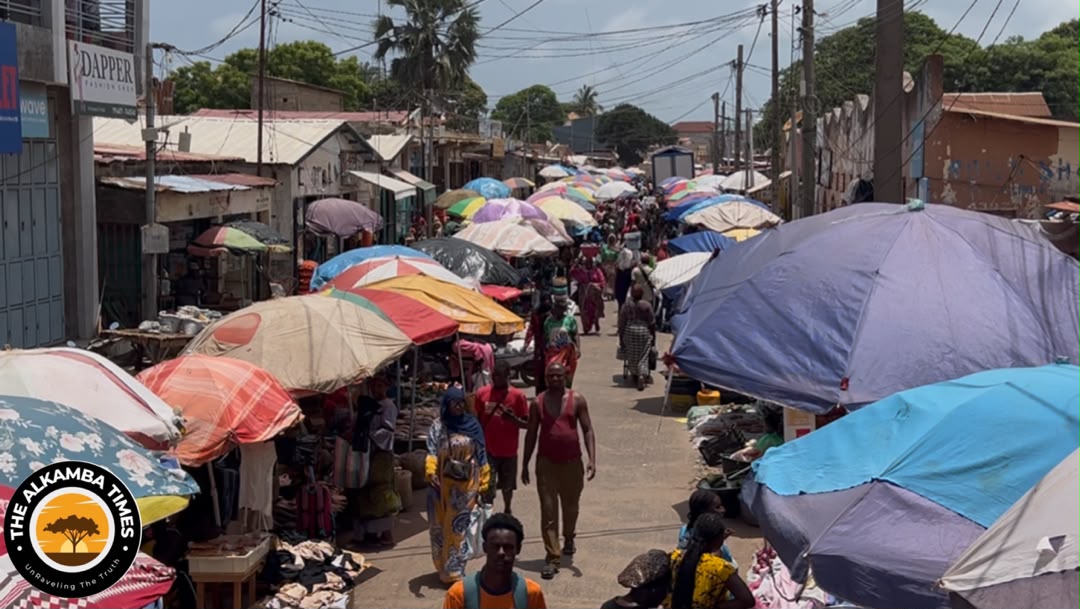
“The Magal is so important to me that I cannot afford to miss it. Missing Tobaski would be easier than missing the Magal,” said Fallou Galas Mbaye, a shopkeeper at Latrikunda Market.
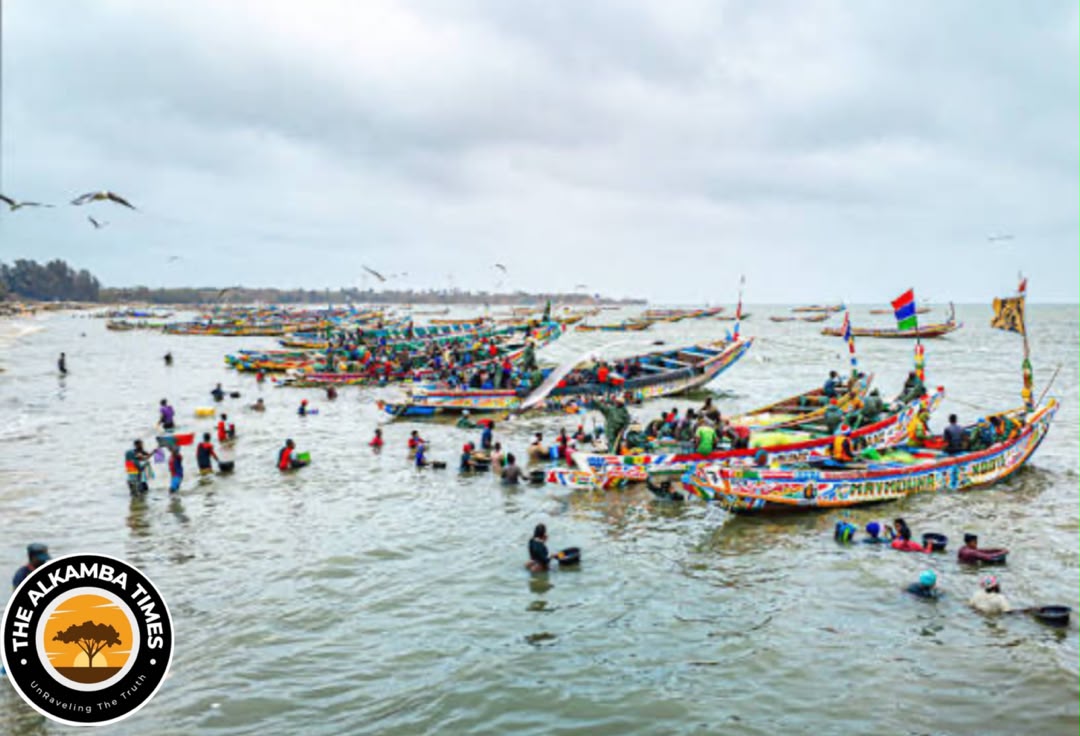
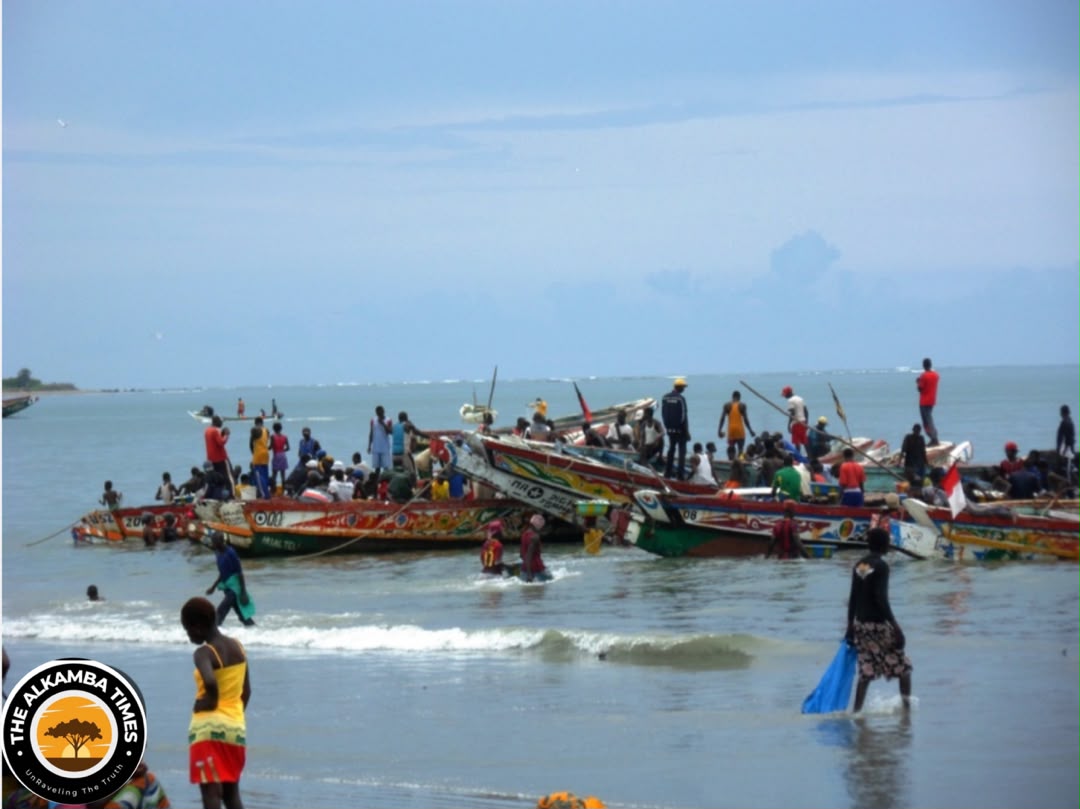
The fishing industry feels the impact sharply. A significant number of fishing boats operating along the Gambian coast are owned or managed by Senegalese nationals. During the Magal, many crews leave for Touba, reducing fishing activity and causing shortages of fish and other seafood in local markets. The tighter supply often pushes prices higher, affecting both traders and consumers.
At Serekunda market, fish vendor Fatou Manneh described the immediate effect. “You can see my table—I don’t have any fish to sell because fish has become expensive from our suppliers. No one is left at sea to fish; they’ve all gone to Senegal,” she said.
Fisherman Ousman Njie explained that some suppliers anticipate the shortage and act accordingly. “Whenever the Magal is approaching, we stop supplying fish because we know there will be scarcity. We preserve our stock for our regular customers,” he said.
The transport sector faces similar strain. Hundreds of commercial vehicles are hired to ferry pilgrims from The Gambia to Touba, reducing the number of taxis, vans and buses available for domestic travel. Passengers often face long waits, overcrowded vehicles and higher fares on major routes.
Technical and vocational services are also disrupted. Many mechanics, welders, spare-parts dealers and artisans temporarily close their workshops to join the pilgrimage, making repairs and maintenance harder to obtain. Mechanic Ablie Sallah said his workplace shuts completely when his employer travels. “Whenever it is the Magal, my boss travels to Senegal and closes the mechanic workshop, forcing me to stay at home until he returns,” he explained.
Small food vendors experience supply-chain interruptions too. Breakfast vendor Fanta Saidy said many traders prefer to pause operations until the event ends. “We would rather wait until the Magal is over before resuming business. Otherwise, we cannot make a profit because the commodities we need are not even accessible in the market,” she said.
These disruptions, though temporary, highlight the close social, cultural and economic ties between The Gambia and Senegal. The annual movement of thousands of people across the border shows how interconnected the two countries remain, with a religious event in one nation producing measurable effects in the other.
For many Gambian businesses, the Grand Magal means a short period of reduced commercial activity. Yet for others—particularly transport operators, food vendors serving pilgrims and businesses linked to cross-border travel—it also creates seasonal opportunities.