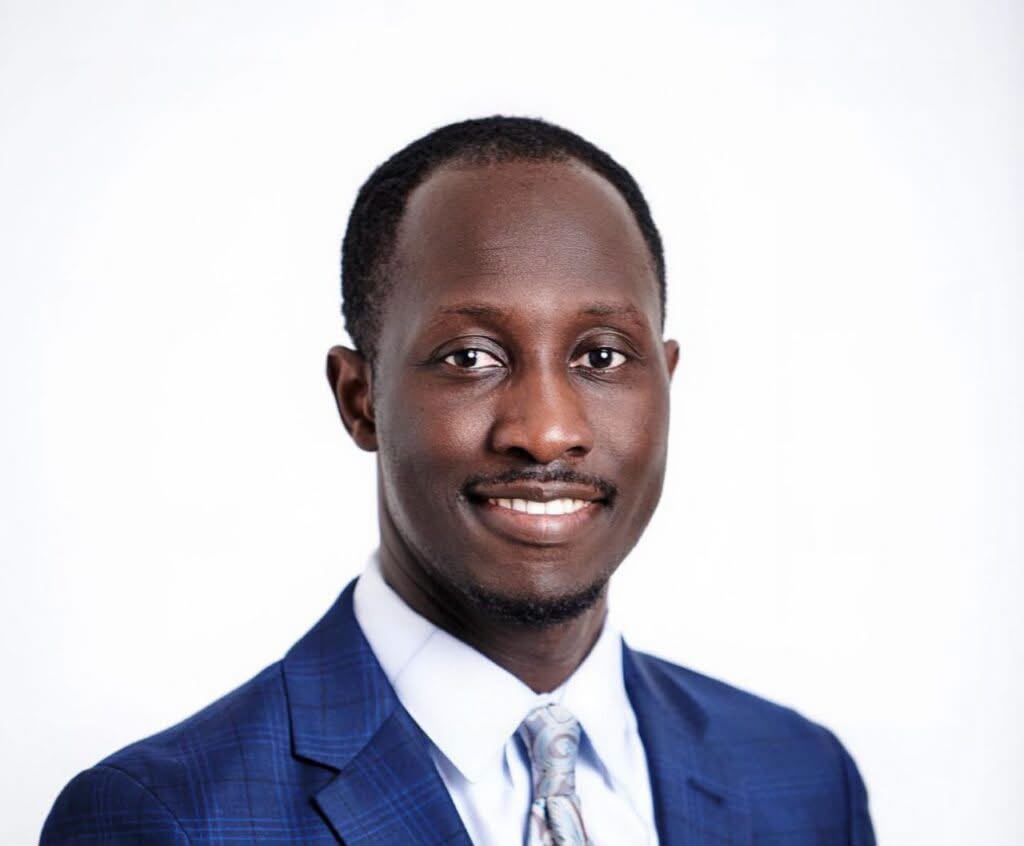
By Sarjo Barrow, Esq.
Two recent events in the United States should get the attention of people in Banjul. In United States v. Heppner, a federal judge in New York decided that conversations with an AI chatbot like ChatGPT are not protected by attorney-client privilege or the work-product doctrine. The chatbot is not a lawyer, the conversations are not confidential, and the platform’s policy lets it share data with the government. A few weeks ago, an Oklahoma judge admitted that a custody order he issued included two cases that do not exist, both made up by ChatGPT. One case shows how AI can strip a client of legal protections, while the other shows how it can lead to a flawed judgment.
No rules, and the problem is already here
Right now, The Gambia has no answer for either problem. There is no AI law, no court rule about AI, and the Legal Practitioners Act, 2024, does not mention this technology. The Personal Data Protection and Privacy Act, 2025, covers personal data, including the right to avoid decisions made only by machines and strict rules about sending data abroad. But it was not made for situations where a lawyer puts a client’s affidavit or other private documents into a chatbot. This creates a real, urgent problem: lawyers and, ostensibly, judges here are already using these tools, but the rules haven’t kept up.
A directive now, not later
This op-ed recommends that the new Chief Justice should help close this gap by issuing a practice directive. Importantly, the GBA and every law firm should create a written AI policy now, before the first fake citation appears in a Gambian court document or, even worse, in a judgment. Waiting to act has led to sanctions, reversed decisions, and overturned rulings in the United States. This article looks at AI hallucinations, but the issue goes beyond fake cases. It also includes using real cases for the wrong proposition, as is often seen. AI is here to stay, and it is already widely used in The Gambia. That is why policymakers, businesses, and law firms all need an AI policy to ensure consistency and mitigate risks.
Certify, don’t disclose
For court filings, The Gambia does not need to follow California’s example. California is considering a law that would make lawyers disclose their use of AI for every document they file. That approach is too strict and beside the point. A citation is either real or fake, and a fact is either true or made up. Requiring a disclosure label alone does not solve the problem. A better approach is Illinois’s, where lawyers do not have to announce their use of AI if they meet their existing responsibilities. The Gambia should require lawyers to certify all filings rather than disclose their use of AI. By signing a filing, a lawyer confirms they have personally checked every legal authority and fact, no matter what tool was used to draft the document, and they are fully responsible for any mistakes. This is not a new requirement. It is the same duty of honesty, competence, and candor, just applied to a new tool. Failing to verify already counts as professional misconduct under rules the General Legal Council can set in the 2024 Act.
A lawyer’s other duties
A lawyer’s responsibilities to a client do not stop when they use a chatbot. The first duty is confidentiality. Putting a client’s information into a public, consumer AI tool can break the trust protected by the Act and may count as sending personal data abroad under the 2025 Privacy Act. This means the data could be used to train the AI or shared under the provider’s terms. This issue caused the privilege claim to fail in Heppner. Before using any tool, a lawyer should read the provider’s user agreement, like Anthropic’s, since its Claude assistant was involved in Heppner. Lawyers need to know if they are using a free public version or a paid account with protection against training and data retention, and they should keep confidential information out of any tool that does not offer these protections. The second duty is billing. If AI can do in ten minutes what used to take an hour, the client should only be charged for ten minutes, not an hour, and never for the lawyer’s own time spent learning the tool. The benefits of efficiency should go to the client, not the bill. These are basic standards of good practice, not just optional courtesies.
When citizens use AI without a lawyer
Most people who go to court in The Gambia do not have a lawyer. The Gambia has no right to a state-funded lawyer except in capital cases, so many people facing a dispute turn to a free chatbot to prepare, often long before they speak with a lawyer. Heppner is a warning for them too. Someone who types the facts of a coming case into ChatGPT and is later sued may find those chats have no protection at all. The other side can ask for them in discovery, because a chatbot is not a lawyer or a confidant.
The Harvard Law Review has noted another way to look at this. On the same day as the New York ruling, a federal court in Michigan reviewed a self-represented litigant’s ChatGPT materials and reached the opposite result. The court described these programs as “tools, not persons” and treated their output as the litigant’s own thoughts put into software. With this view, a citizen’s AI notes are more like work-product (private working notes), which the law has long protected, than like a conversation given to a stranger. For a country with so many people representing themselves, our courts should prefer this approach.
Until that happens, citizens should protect themselves, and a practice directive should explain how. Anyone using AI to prepare for a possible case should keep names and identifying details out of a public tool, treat the output as rough notes instead of advice, and, if they later hire a lawyer, give those notes to the lawyer to rework. This helps clean up the record, so the material has the best chance of being protected. The people most at risk here are those least able to afford a mistake.
Judges carry the most
Judges have the greatest responsibility because a lawyer’s mistake can be punished, but a judge’s mistake becomes the law. Judges can use AI to help with research or summaries, but the final decision must be their own work, written by them. Letting a machine write a judgment is different. If AI is used to draft any part of a ruling, the judge must say so. Rules should also require judges to check every legal authority themselves, keep confidential and sealed information out of public AI tools, and ensure nothing goes to the court record without human review. These checks failed in the American cases, where a draft opinion and an intern’s unchecked research were not properly reviewed.
None of this requires The Gambia to wait for a full AI law, which could take years. The Judiciary can issue a practice directive, and the Bar can create a model policy this year, using examples from the American Bar Association, Illinois courts, and others. The technology is already here and helpful. The goal is to use its benefits while protecting clients, maintaining the confidentiality central to our profession, and preserving the integrity of our judgments. It is better to set the rules before the first fake citation appears than to have to explain later why there were no rules.