By Momodou Gagigo
Farmers in Niamina and surrounding communities are growing increasingly anxious about the fate of their crops as a prolonged dry spell threatens livelihoods and raises fears of a poor harvest. For weeks they have returned to their fields hoping for rain, but the continued absence of sufficient rainfall has left crops struggling at a critical stage of the season. Some farmers say they have already lost hope in parts of their farms.
Others cling to the possibility that rain could still arrive in time to save what remains. For many, the pressure is acute because farming is their main source of food and income.
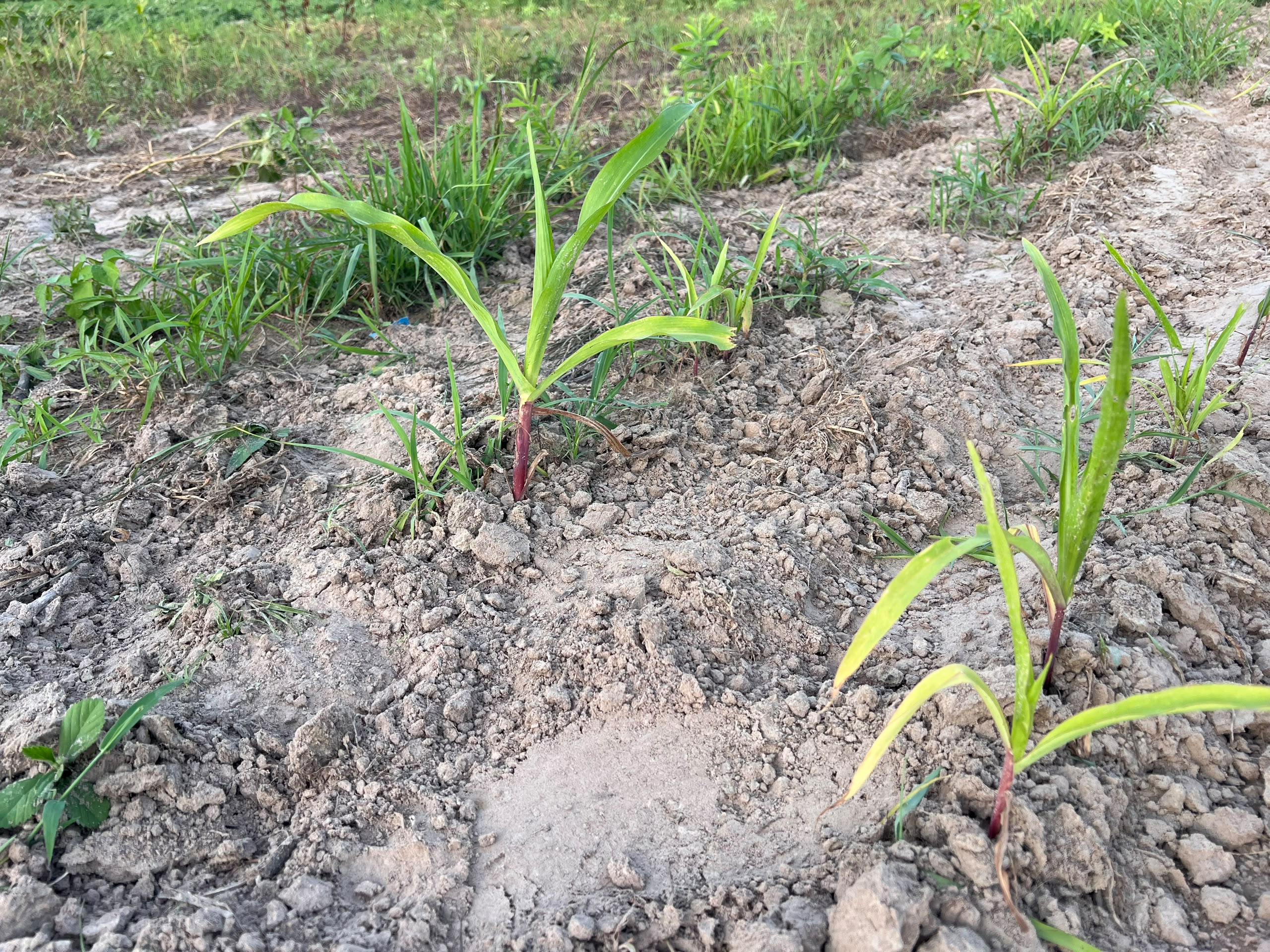
Banna Ceesay, a farmer from Bambakolong, described the situation as frustrating, saying maize is far behind where it should be at this point in the season. “This is really frustrating. We have no hope this year because we’ve been growing our maize since everybody started growing. But you can see how small the maize is,” Ceesay said.
He said farmers have no way to irrigate their plots and can only wait. “The reason is that there is no rainfall. Our crops have been struggling for rain. We cannot bring water and water them. We can only wait for the rain,” he said. Ceesay is appealing for help to prevent a worse outcome. “We are seeking help because if not, this year is going to be very unfortunate for us. Our harvest is likely not promising.”
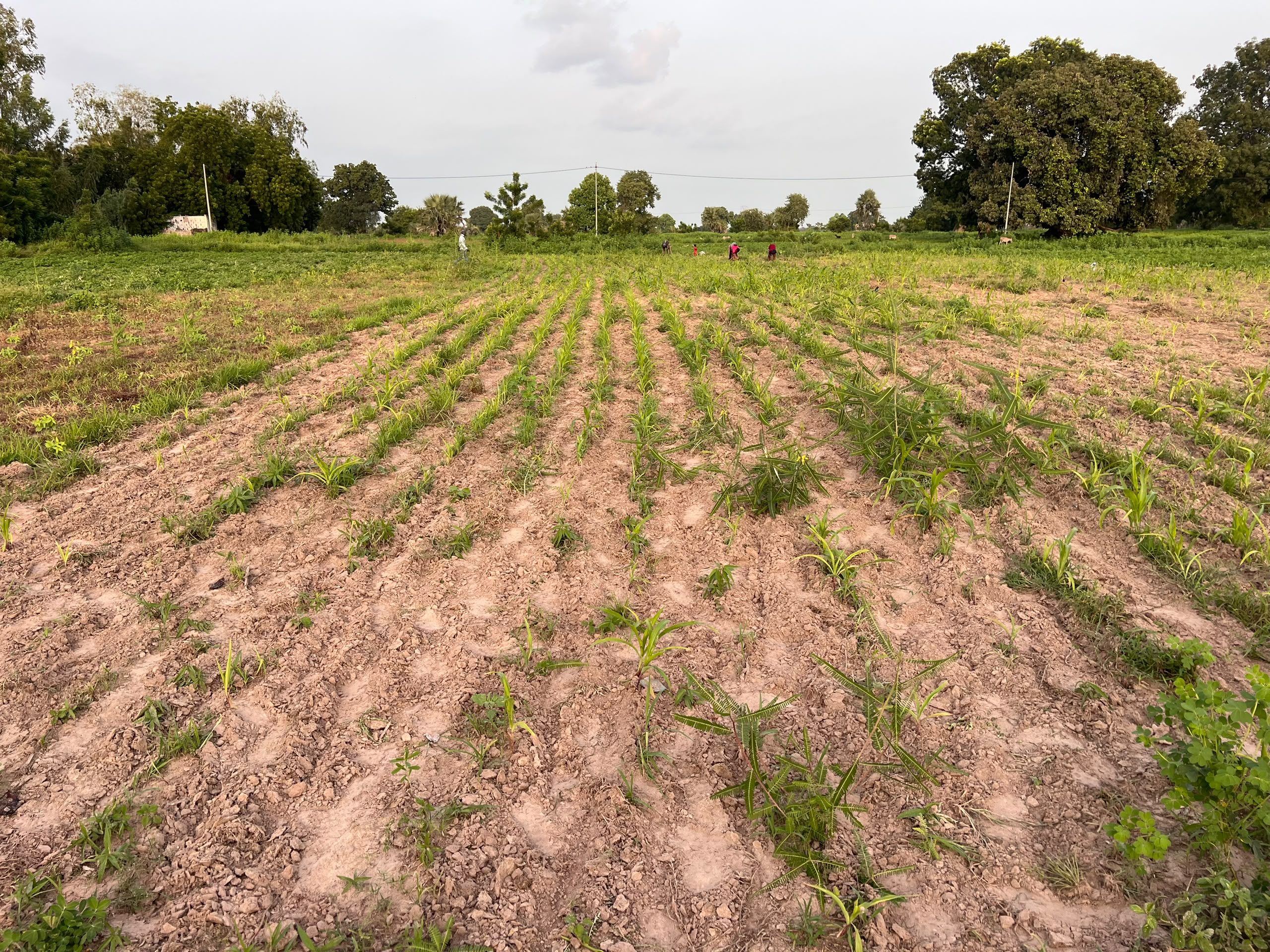
Kumba Jallow, another farmer in the area, said the dry spell has left families watching crops deteriorate despite months of labor and scarce resources. “We are struggling. This is the maize we hoped would give us something after putting all our effort and energy into farming,” she said. Farmers still visit their fields daily, hoping the weather will change. “Our hopes are gradually fading.”
Jallow called for government support, including fertilizer, to salvage whatever survives if rain returns. “If the rain could come, and if the government could also intervene and support us with fertilizer, at least there would still be a chance of getting something from this maize.
Otherwise, we have no hope.” A poor harvest, she warned, would hit households hard. “We do not have any other income-generating work apart from farming. Farming is the only thing we depend on to support our families and meet our basic needs. We are therefore appealing to the government and other relevant authorities to come to our aid and help us mitigate this situation. Otherwise, this year, we are finished.”
Mansour Mbaye said he has already given up on his maize. “My maize crop is no longer promising. I don’t expect anything from it anymore. I have even abandoned it.” His remaining hope is groundnut, though that crop is also beginning to suffer. “The only little hope I have left is in the groundnut, but even that is now beginning to dry up. We have been waiting for rain for so long.” Rain stopped, he said, when maize most needed moisture. “Even if it rains today, I don’t think this maize can recover anymore.”
He now hopes groundnut can at least yield hay for livestock. “Even if I don’t get the nuts, perhaps I can get the groundnut hay to feed my animals.” The episode has been unusually long, he added. “This has not happened to us for a very long time. Every day, we think the rain will come, and every day we continue waiting.” Irrigation is unrealistic on large plots without resources. “We cannot grow crops in dry soil and expect to produce a good harvest. We cannot take water and irrigate an entire farm. Just look at how large this farm is. Can I carry water and water everything here? Where would I get the resources to do that? I cannot.” Farming, he said, is all they have. “Without rain, it is completely impossible to farm. Whatever God decides after this season, we will accept it in good faith.”
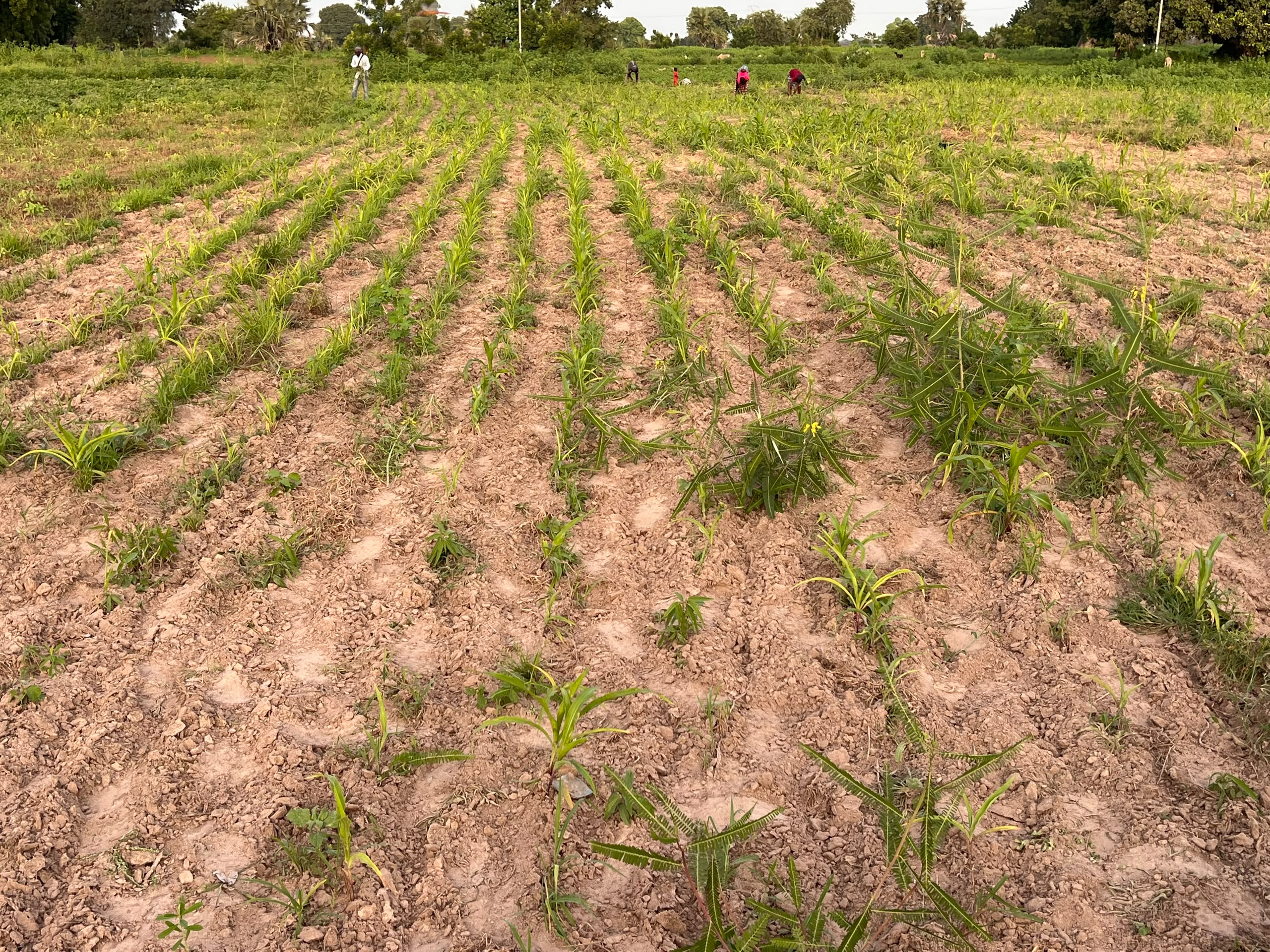
Saiba T. Susso, proprietor of Greenland Agro-business Farm, said the dry spell has hit farmers across the area. “This farming season has been a very big challenge and a very difficult experience for farmers in this area. The drought has affected them severely.” Some have already lost confidence in their crops, though many have kept working. “But with resilience, perseverance and patience, we have managed to cultivate this mixed-crop farm of beans and groundnuts.” Still, he said, delayed rain makes a good harvest uncertain. “You plant your crops, you wait for the rain, and when the rain does not come, you know that a good harvest is no longer guaranteed.”
The concern is sharp in communities such as Bambakolong, Sinchu Alagie and Kudang, where rain-fed agriculture remains the mainstay. Farmers have invested months of labor and limited means. Without sufficient rainfall, many fear little return. The spell has also renewed worry about smallholders’ exposure to shifting rains and extremes, especially those without irrigation or other support.