By: Kebba Ansu Manneh
The Independent Electoral Commission (IEC) has set out key dates for the presidential election scheduled for December 5, 2026, announcing that nomination forms will be issued from September 21. Candidate nominations will run from November 3 to November 14.
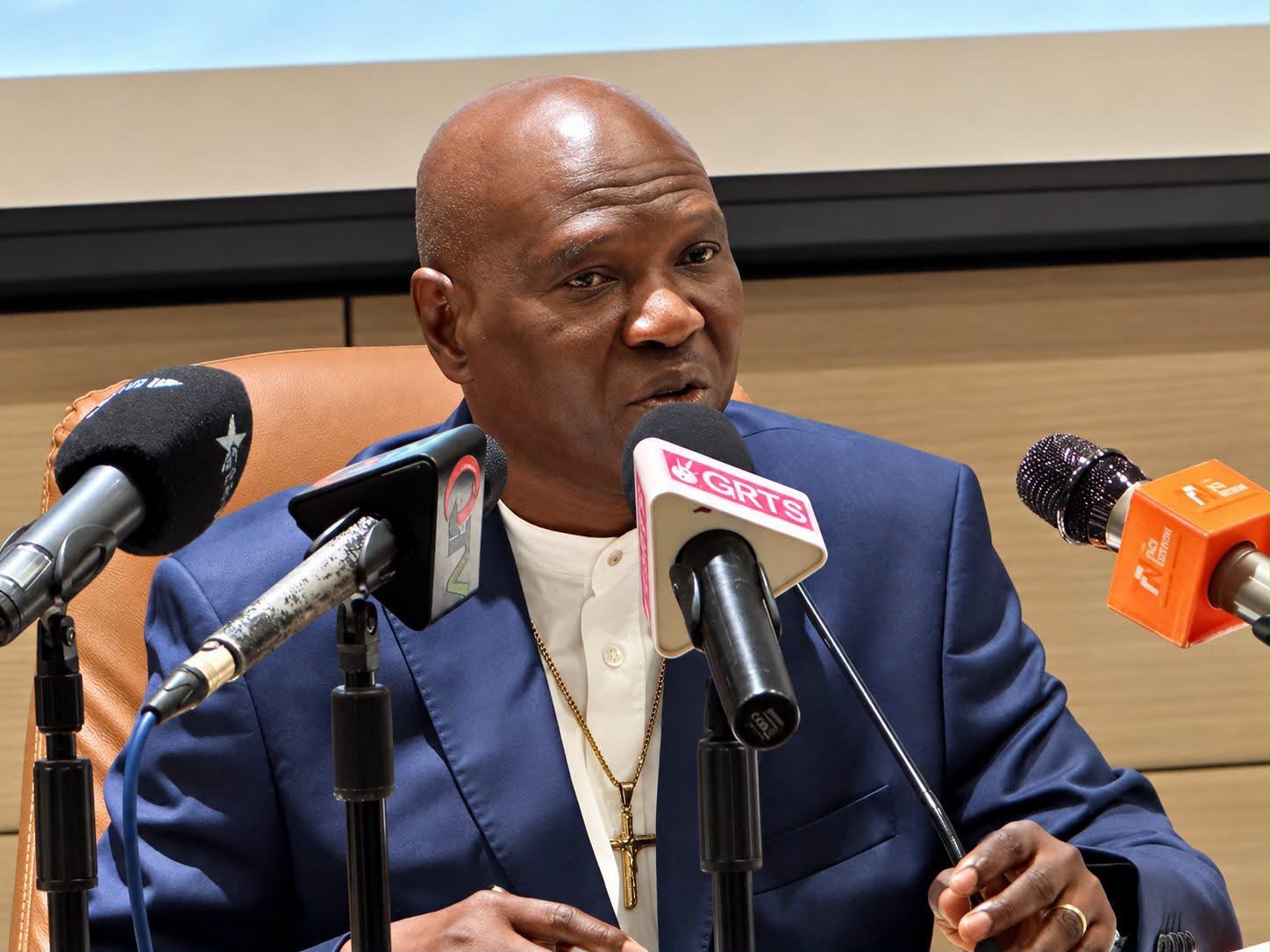
IEC Chairman Joseph Colley made the announcement Thursday during a presentation at the IEC-Stakeholder Forum at the Sir Dawda Kairaba Jawara International Conference Center. He told political parties, civil society groups, the media and other partners that the Commission is moving into the next phase of preparations for the national vote.
“I would also like to take the opportunity to inform stakeholders that nomination of candidates for the presidential election of 5th December, 2026 will take place from 3rd to 14th November, 2026, both dates inclusive,” Colley said. “Nomination forms will be issued to aspiring candidates starting from 21st September, 2026.”
The announcement gives potential candidates a defined window to collect paperwork, complete statutory requirements and formally enter the race. The November nomination period, inclusive of both start and end dates, is intended to give the Commission time to process submissions, verify eligibility and publish the final list of presidential contenders ahead of campaigning and polling day.
Colley also updated stakeholders on the voter register revision process. He said revising courts have already begun hearing objection cases and are expected to complete their work within the 60 days provided by law. He stressed that the Commission would not intervene in those proceedings.
“Pursuant to the constitutionally enshrined principle of separation of powers, the courts are independent, and as such, the Commission shall not interfere in their deliberations,” he said.
The chairman framed the coming months as a period of operational buildup rather than political contest. He said the IEC has already begun a series of capacity-building exercises to strengthen electoral administration and stakeholder readiness. Training, he said, remains a priority for IEC staff and for institutions that play supporting roles in the election.
Among those already included in the Commission’s training program are the Inter-Party Committee, civil society organizations, the media through the Gambia Press Union, the Gambia Police Force and the Gambia Federation of the Disabled. Colley said the IEC intends to bring additional stakeholders into the training program so that more actors understand nomination procedures, voter education, polling operations and dispute-resolution mechanisms.
He described the objective in straightforward terms: a process that is orderly, accessible and credible. “The ultimate goal is to ensure the conduct of seamless, peaceful, inclusive and transparent elections in December 2026 and beyond,” Colley said.
The forum formed part of the Commission’s broader engagement with election stakeholders as Gambia approaches a high-stakes presidential contest. By publishing the nomination calendar now, the IEC is signaling that administrative timelines are locked in and that parties and aspirants should align their internal processes with the official schedule.