By: Fatou Dahaba
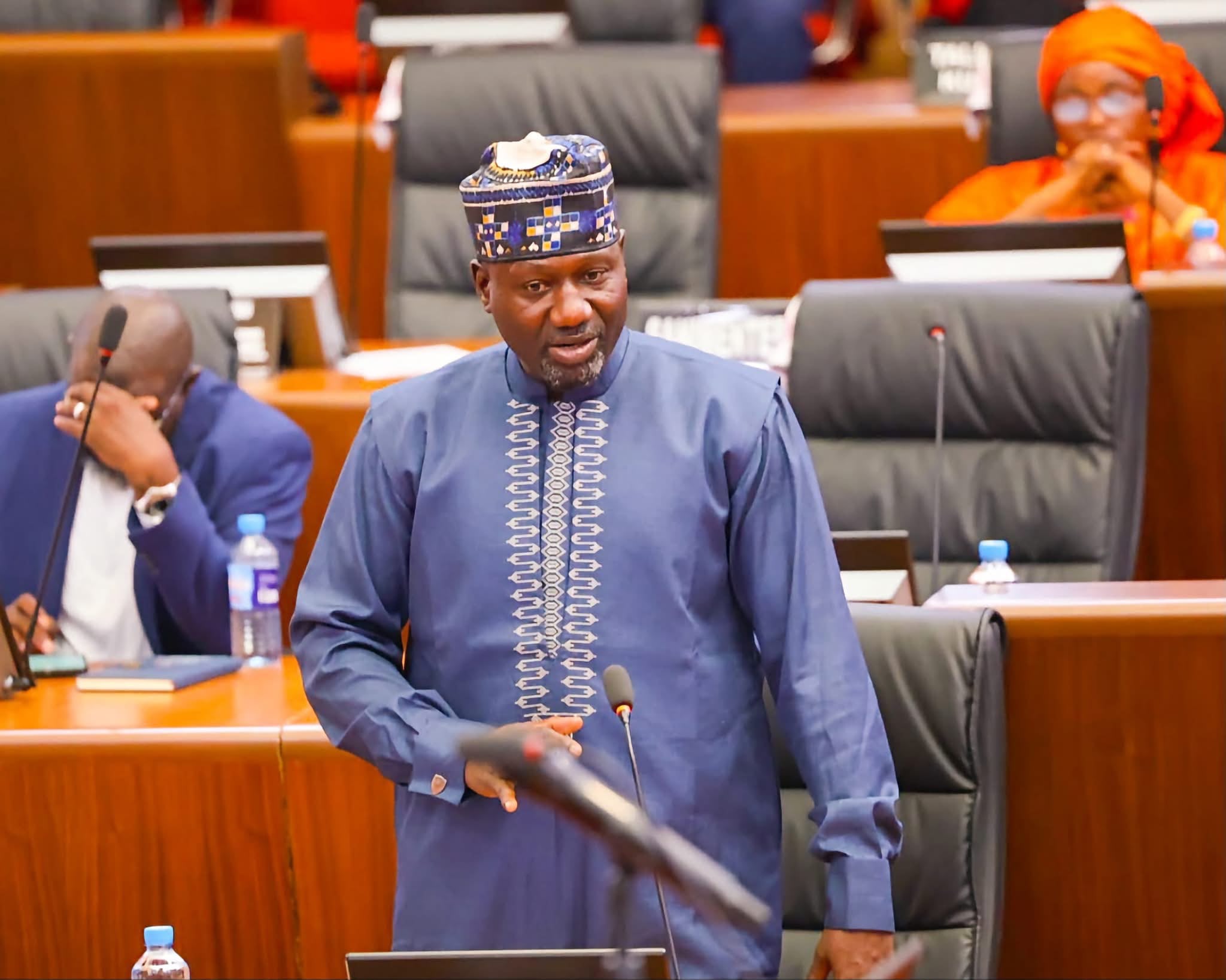
National Assembly Member Sulayman Saho on Thursday sounded the alarm over what he described as a collapsing road network across The Gambia, with the North Bank Region bearing the heaviest burden.
Tabling a Matter of the Day, the Badibou Central lawmaker said communities in Niumi, Jokadou, Baddibu, Sanjal and neighboring areas are cut off from markets, schools and health facilities by potholes, erosion, flooding and dust. Travel between villages, he said, is no longer routine transport but a daily struggle.
Saho singled out works between Njamagen and Kuntaya as moving too slowly, worsening business and communication. Fares have risen, journeys take longer, and access to Barra, Banjul and local trading centers has deteriorated. The Barra–Kerewan corridor and feeder roads linking farms to services, he added, are among the worst affected.
He set out the human cost in plain terms. Farmers cannot get produce to market on time. Traders pay inflated transport costs. Pregnant women struggle to reach clinics. Children arrive late or miss school. “This is not merely a road problem. It is an economic, social and public safety problem,” he told lawmakers.
Saho welcomed government spending on infrastructure but warned that construction without a maintenance plan only stores up future costs. “A road constructed today can become a major financial burden tomorrow if we fail to maintain it,” he said. Emergency patching, he argued, is no substitute for a national strategy with clear priorities, timelines and dedicated funds.
He called for urgent assessment and rehabilitation of the worst stretches in the North Bank, immediate attention to Barra–Kerewan and critical feeder roads, better drainage and flood control, and priority for routes that connect farming communities to markets and main corridors.
Contractors, he said, must be held to account for quality and durability. The Assembly and the public should be given start and completion dates for every road earmarked for repair.
“The people of North Bank are not asking for a favor. They are asking for their fair share of national development,” Saho said. Higher agricultural output cannot be expected while farmers cannot move their crops. Rural development remains a slogan while basic links stay broken.
He urged government to treat road maintenance as an essential public service and an economic priority, not something left until roads become impassable. Intervention, he said, should come before the next rains. “Good roads connect communities; good roads create opportunities; and good roads save lives.”
The intervention adds pressure on the executive as rural constituencies demand that infrastructure spending translate into usable roads rather than unfinished or rapidly deteriorating works.