By Fatou Dahaba
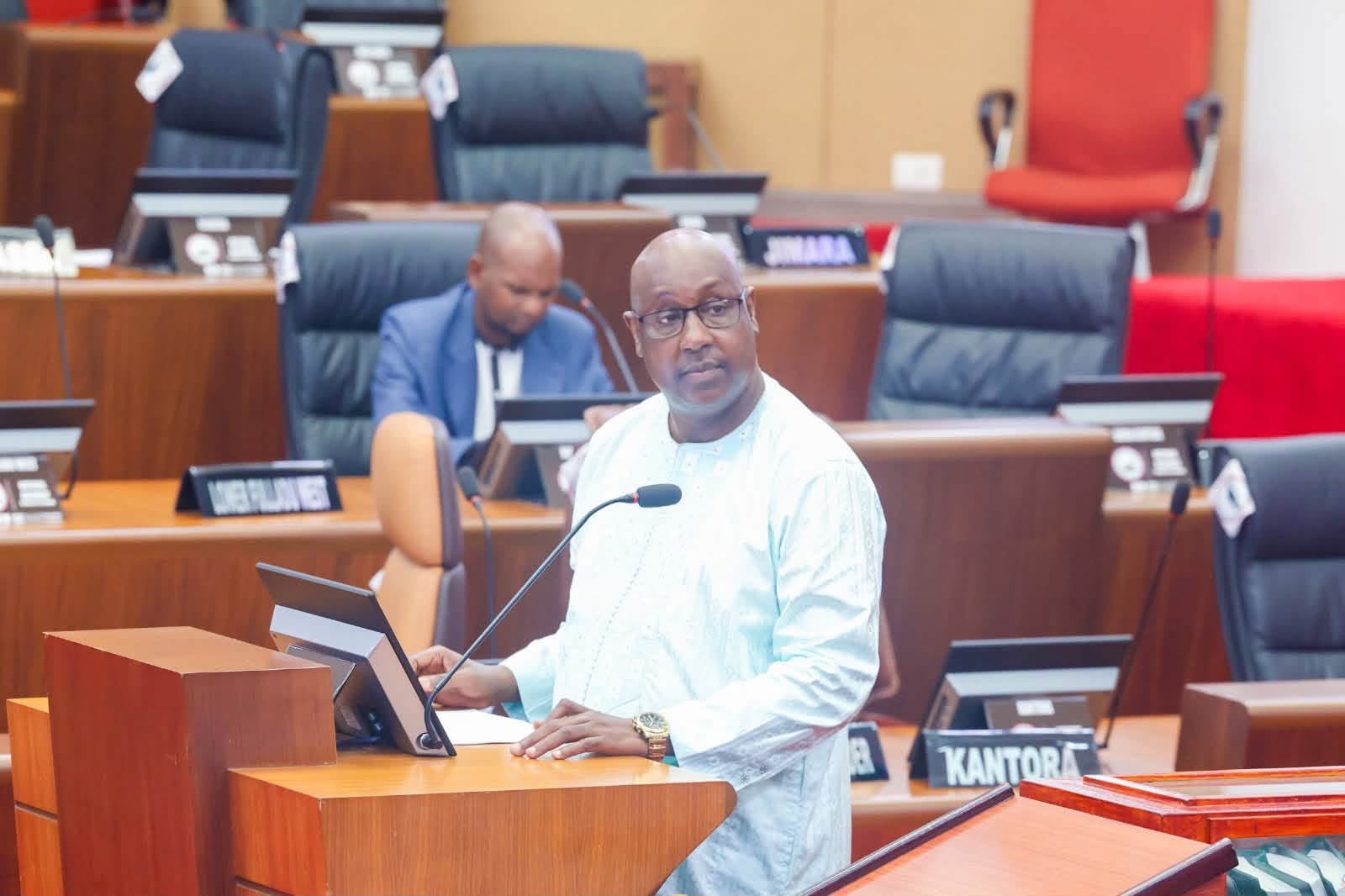
Agriculture Minister Demba Sabally defended the government’s tractor distribution and plowing support program on Wednesday before the National Assembly, responding to lawmakers’ questions about delivery delays, service affordability, and fair allocation.
The session focused on the 180 tractors the Assembly approved. Sabally told members that a second supplier, contracted to deliver 90 units, informed the ministry that 24 tractors were already at the border awaiting clearance and would arrive shortly. He said the remaining tractors were expected within a reasonable time frame but declined to give a specific arrival date.
The minister explained that the contract was signed in 2024 yet only became operational after the Ministry of Agriculture paid the required 25 percent advance. He said the Ministry settled part of that advance in 2025 and the balance in 2026, which finally enabled the supplier to activate the agreement and begin deliveries.
Lawmakers pressed for clarity on whether the allocation process was inclusive and transparent or driven solely by demand. He stated that demand remains the primary basis for distribution and that tractors are not issued at random.
The committee assessed applications, and beneficiaries must demonstrate financial commitment before receiving a tractor. He insisted the process was still inclusive, pointing to a list of 76 beneficiaries already submitted to the Assembly. According to the minister, every region except Banjul has received support under the scheme.
Members also raised concerns about plowing charges. Some members said farmers were paying between D7,000 and D9,000 per hectare, an amount they argued placed an extra burden on already struggling producers. Agric minister Sabally rejected those figures in relation to government-operated tractors, stating that official rates range from D4,500 to D5,000 per hectare. He explained that the government charge covers only minimum operating costs—fuel, lubricants, operator fees, maintenance, and depreciation—while private owners must build in a profit margin.
He reaffirmed the government’s commitment to expanding support for mechanized farming. He encouraged more farmers to apply under the ongoing scheme, in which the state contributes part of the purchase cost, and farmers repay the balance over four years. The minister maintained that the program is designed to improve access to mechanization while remaining financially sustainable for both the state and producers.