By: Kebba Ansu Manneh
Between 3,000 and 4,000 people are living with dementia in The Gambia, a figure expected to rise to about 12,900 by 2050 as the population ages, a senior health official said this week.
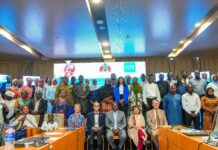
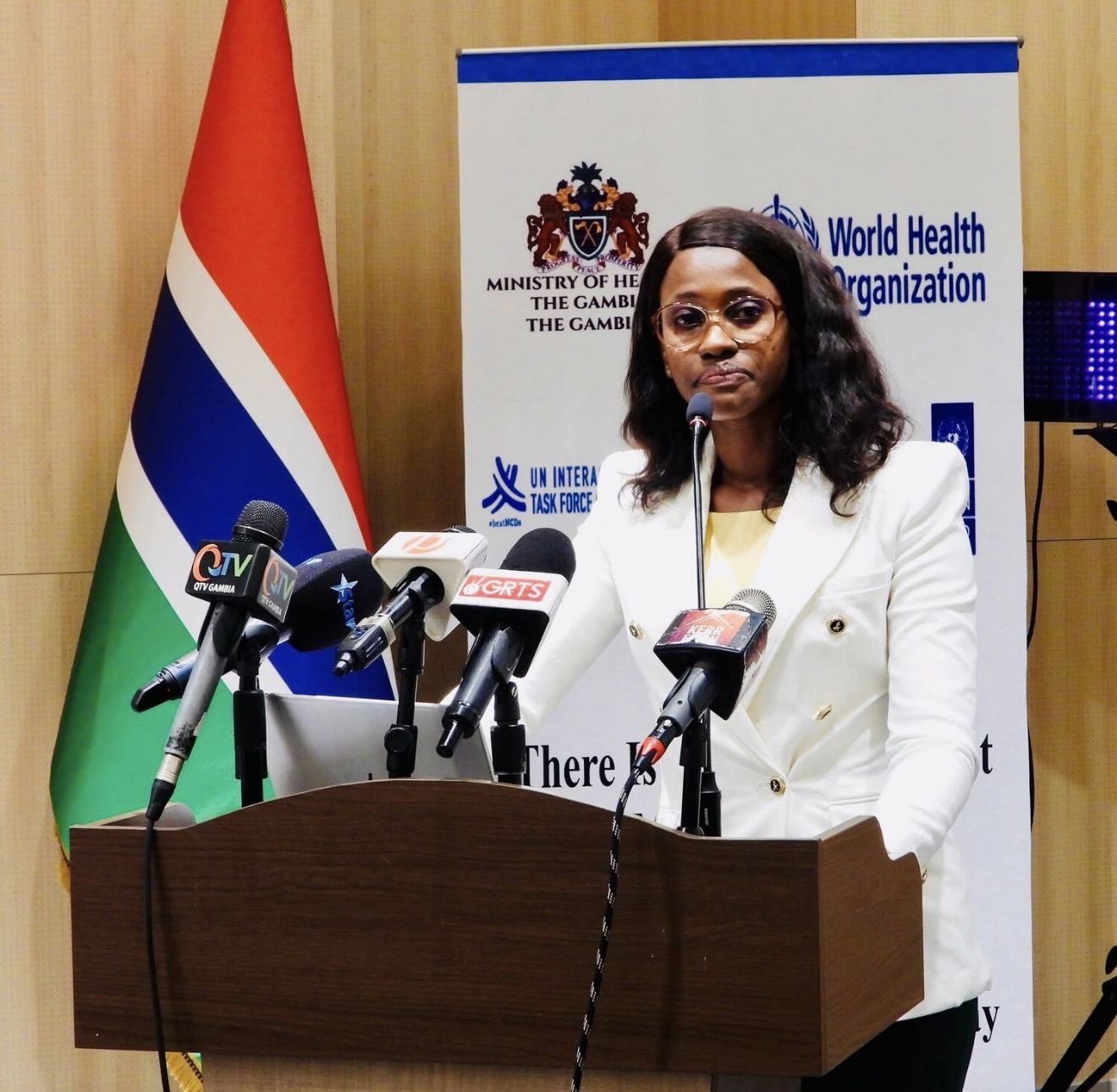
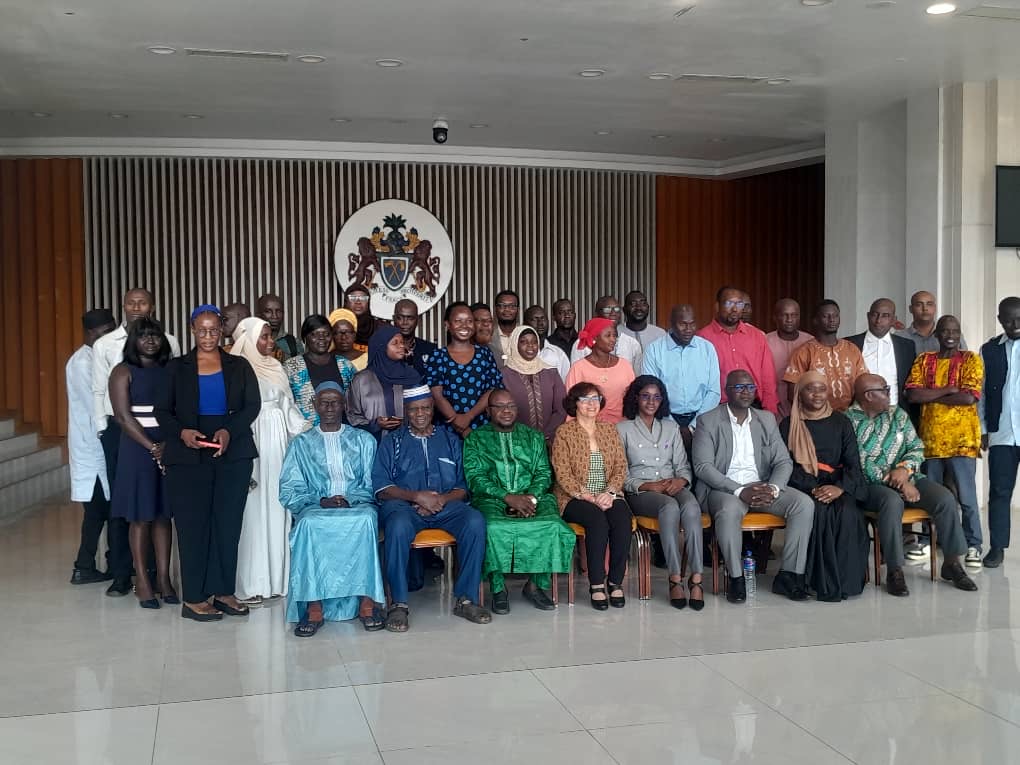
Mam Jarra Marega, Program Manager of the National Mental Health Program and National Technical Lead for the Gambia Dementia Plan 2027–2031, disclosed the estimates at a two-day stakeholders’ validation workshop held on 28–29 September 2026 at the Sir Dawda Kairaba Jawara Conference Center in Bijilo.
“In The Gambia, dementia is first noticed not in a clinic, but at home — usually when a mother repeats the same question, when a father cannot find his way back from a familiar place, or when a family wonders whether a loved one’s change in behavior is simply aging, a spiritual concern, or something that needs health care,” Marega said.
She added that public health professionals must ensure families do not face those questions alone. Modeled estimates put current cases at 3,000 to 4,000, rising sharply by mid-century. Yet the routine health information system recorded only 86 outpatient dementia cases in 2024 and 244 in 2025, after intensive training of healthcare providers on WHO mhGAP guidelines.
“Dementia does not wait for Gambia’s health systems to be ready for it. It is already inside many of the families,” she said.
Globally, an estimated 57 million people live with dementia, with nearly 10 million new cases each year. More than 60 percent of those affected live in low- and middle-income countries, including The Gambia. The gap between estimated need and recorded cases shows that many people are not recognized, diagnosed, documented or supported early, Marega said. Until recently, dementia was largely invisible in the health system, captured under a single broad indicator without a case register, a screening tool suited to national languages and literacy levels, a clinical guideline or structured caregiver support.
A turning point came when the Minister of Health delivered a National Statement on Dementia at the 78th World Health Assembly. WHO later selected The Gambia as one of three countries worldwide — and the only one in Africa — to receive intensified dementia support in 2026.
The draft national plan rests on four pillars aligned with the seven priority action areas of the WHO Global Action Plan on Dementia: grounding dementia in the new National Mental Health Policy; building an economic case; strengthening the workforce; and expanding community-based services.
In 2024, The Gambia produced one of only 12 Mental Health Investment Cases developed globally. It found that mental health conditions and suicide cost the country about 768 million dalasi a year, with 89 percent of that burden coming from lost productivity rather than direct healthcare spending.
Between 2023 and 2026, more than 300 non-specialist healthcare providers were trained on the WHO mhGAP Intervention Guide, including 60 on the comprehensive dementia module. Thirty traditional healers have also been trained on psychosocial support and safe referral, the first cohort in a plan to train 100.
The national objective is to move dementia care beyond the Greater Banjul Area so that trained primary healthcare workers, stronger referral pathways and structured caregiver support reach rural and remote communities.
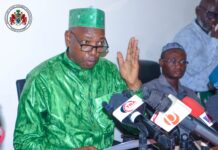
Speaking on behalf of Health Minister Ahmadou Lamin Samateh, Permanent Secretary 2 Lamin Dampha said dementia is not a private family matter to be managed behind closed doors. It is a public health issue and increasingly a question of national development.
“As we succeed in helping people live longer, we must also succeed in caring for them when they grow older,” Dampha said. He said government commitment had helped secure WHO recognition and that stakeholders must scrutinize the plan before validation.
Professor Lamin Sidibeh, Dr Tarun Dua of WHO Headquarters and Dr Chido Rwafa Madzvamutse of the WHO Regional Office also addressed the workshop, stressing the plan’s importance for the country’s long-term mental health goals.