by Muhammed L Saidykhan
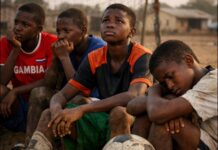
Banjul The Gambia, September 29, 2026 – In The Gambia, football is more than a sport. It is a culture, a passion and a national conversation. Turn on a radio sports programme, open a newspaper or scroll through social media and football is almost certain to dominate the discussion. The national team, domestic competitions, Nawettan and European football provide an almost endless supply of stories, debates and opinions.
But beneath football’s overwhelming popularity lies a question worth asking:
Are Gambian sports journalists giving other sports a fair chance to be seen and heard?
The question is not new. A Standard article published in 2014 criticised the dominance of football in radio sports programming and called for greater attention to sports including volleyball, basketball, athletics, rugby, cricket, golf and martial arts. More than a decade later, the debate remains relevant. “Fair coverage does not mean equal coverage. It means ensuring that other sports do not become invisible.”
Football has the audience. There is little doubt that football deserves significant media attention. It attracts the largest audiences, generates the most discussion and commands considerable public interest. Media organisations, particularly commercial ones, cannot ignore that reality. Editors must consider what their audiences want to hear, watch and read. But sports journalism should not be reduced to following popularity alone.
A national volleyball final is news. A Gambian athlete qualifying for an African championship is news. A swimmer breaking a national record is news. A Gambian boxer competing internationally is news. An athlete from a rural community making a breakthrough is news. These achievements may not immediately generate the same audience numbers as a football match, but they are part of the country’s sporting story. And if nobody tells those stories, the wider public may never know they happened.
Visibility creates opportunity. Media coverage can do more than celebrate sporting success. It can help create visibility for athletes, attract potential sponsors, build fan interest and inspire young people.
A young Gambian who repeatedly sees footballers on television may naturally believe football is the main pathway available to them in sport.
But what happens when that same young person sees a Gambian swimmer competing internationally, a volleyball player representing the country, an athlete breaking a national record or a boxer winning abroad? They discover another possibility. You cannot aspire to become what you never see. This is where sports journalism becomes more than reporting scores. It becomes part of the wider sports development ecosystem.
But journalists are not entirely to blame. It would be unfair to place the entire responsibility on journalists. Gambian sports media operates within real constraints. There are limited numbers of reporters, limited resources and, in many cases, difficulties with transportation, equipment and access to timely information.
Veteran journalist Pap Saine has previously highlighted manpower and material constraints as challenges facing sports journalists. One reporter cannot realistically cover every football match, athletics meeting, volleyball tournament, basketball game, boxing event, swimming competition and international sporting engagement. Editors must also make difficult decisions about where limited resources should be deployed. These challenges are real. But they should not mean that certain sports remain permanently invisible.
Sports associations have a role too. The relationship between journalists and sports associations must work both ways. Federations and associations that want coverage must also make information accessible. Fixtures, results, photographs, athlete profiles, competition schedules, statistics and press releases should be readily available.
A federation cannot expect extensive media coverage if journalists do not know when or where competitions are taking place. Good communication can make the journalist’s job significantly easier.
Sports organisations also need to understand that media coverage is not something that should only be sought when they need publicity. Building a relationship with journalists throughout the year can help create sustained interest in their sport.
There are athletes training under difficult conditions. Young people travelling from rural communities to compete. Girls breaking barriers through sport. Coaches developing talent with limited resources. Athletes balancing education, employment and high-performance sport. These are compelling human stories.
Sports journalism can explore the people behind the results and the challenges behind the performances. That is where feature writing, interviews, documentaries, podcasts and digital storytelling can make a difference.
There is another uncomfortable part of the conversation. Some Gambian sports programmes devote significant airtime to European football. Manchester United, Arsenal, Chelsea, Liverpool, Barcelona and Real Madrid can generate hours of discussion.
There is nothing wrong with covering international football. Thousands of Gambians follow these clubs passionately, and the subject is legitimate sports content. But balance matters.
There is a difference between covering international sport and allowing international sport to overshadow local sporting achievements. A Gambian athlete preparing for an international championship should not become invisible simply because a European football match is attracting more immediate attention.
Our media should be able to do both. Digital media can change the game. The rise of social media provides an opportunity to broaden sports coverage.
A journalist no longer needs an hour-long radio programme or a full newspaper page to tell an athlete’s story. A short video interview, athlete profile, photograph, podcast or competition update can reach thousands of people. Digital platforms also allow journalists to specialise.
Fair does not mean equal. Perhaps this is the most important distinction in the debate.
Fair coverage does not mean every sport must receive exactly the same number of minutes, headlines or newspaper columns. Football has a larger following and will naturally receive more coverage.
Fairness means that other sports should not be ignored simply because their audiences are smaller. If a Gambian athlete wins an important competition, that story deserves consideration. If a national team qualifies for an international championship, that achievement deserves attention. If a young athlete from the regions emerges as a potential national star, the public should have the opportunity to know their story. The media does not have to manufacture popularity.
But it can help create awareness. A shared responsibility. The responsibility ultimately extends beyond journalists. Journalists must continue looking for stories beyond football. Editors must create space for diverse sporting content.
Sports associations must improve their communication with the media. Athletes must tell their stories and engage with journalists. Sponsors should recognise opportunities beyond the country’s biggest sport. And fans can help by supporting sporting disciplines outside football. The Gambia’s sporting landscape is much bigger than one game.
The final whistle? Not yet
So, are Gambian sports journalists fair to other sports? Perhaps the more useful question is: Are we giving every Gambian athlete a reasonable opportunity to have their story heard?
Football deserves its place at the centre of the national sporting conversation. But athletics deserves its place too. Volleyball deserves its place. Basketball, boxing, swimming, judo, cycling, tennis, handball, table tennis, wrestling, cricket, martial arts and disability sport deserve their place.
Because when a Gambian athlete puts on the national colours, they are not representing a “minor sport”.
They are representing The Gambia. And when they succeed, their story is not a small story. It is a Gambian story.