By: Fatou Dahaba
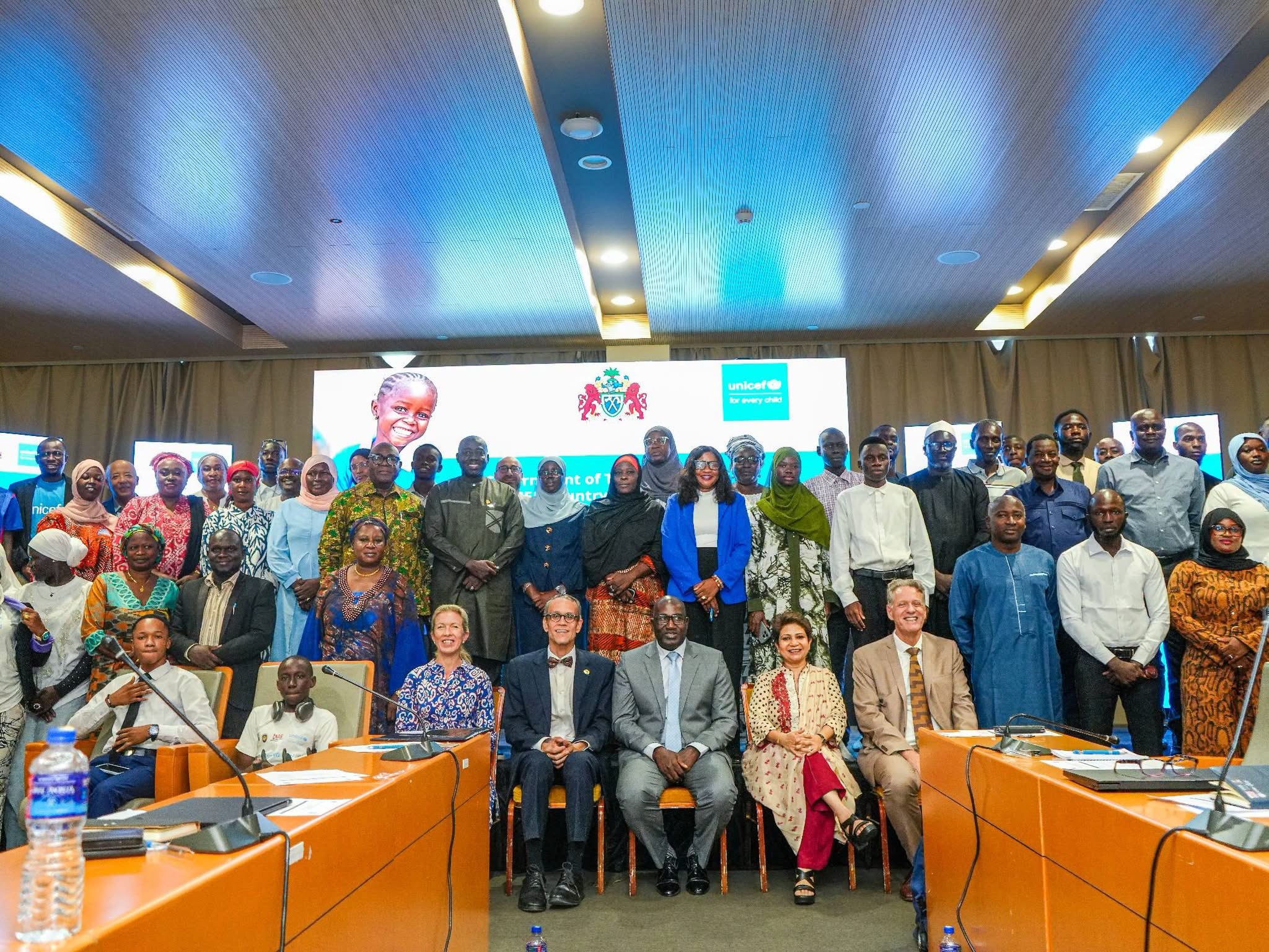
The Government of The Gambia and UNICEF held a Strategic Moment of Reflection on Wednesday as part of the mid-term review of their 2024–2028 Country Program, with officials and partners pressing for stronger, more equitable results for children in the two years that remain.
The meeting at the Sir Dawda Kairaba Jawara International Conference Center brought together government officials, UN agencies, civil society and other stakeholders to assess the Country Program Document that guides their joint work to improve children’s lives. Participants reviewed progress, examined implementation gaps and set priorities to tighten delivery of a plan designed to uphold children’s rights and well-being.
Secretary to Cabinet and Head of the Civil Service Alieu Njie said technical consultations had already shown concrete gains in neonatal care, literacy and numeracy, breastfeeding promotion, social protection legislation and wider system strengthening. He warned, however, that serious obstacles persist. Fragmented data systems, inequities facing rural children and children with disabilities, and funding strains linked to global developments continue to limit impact.
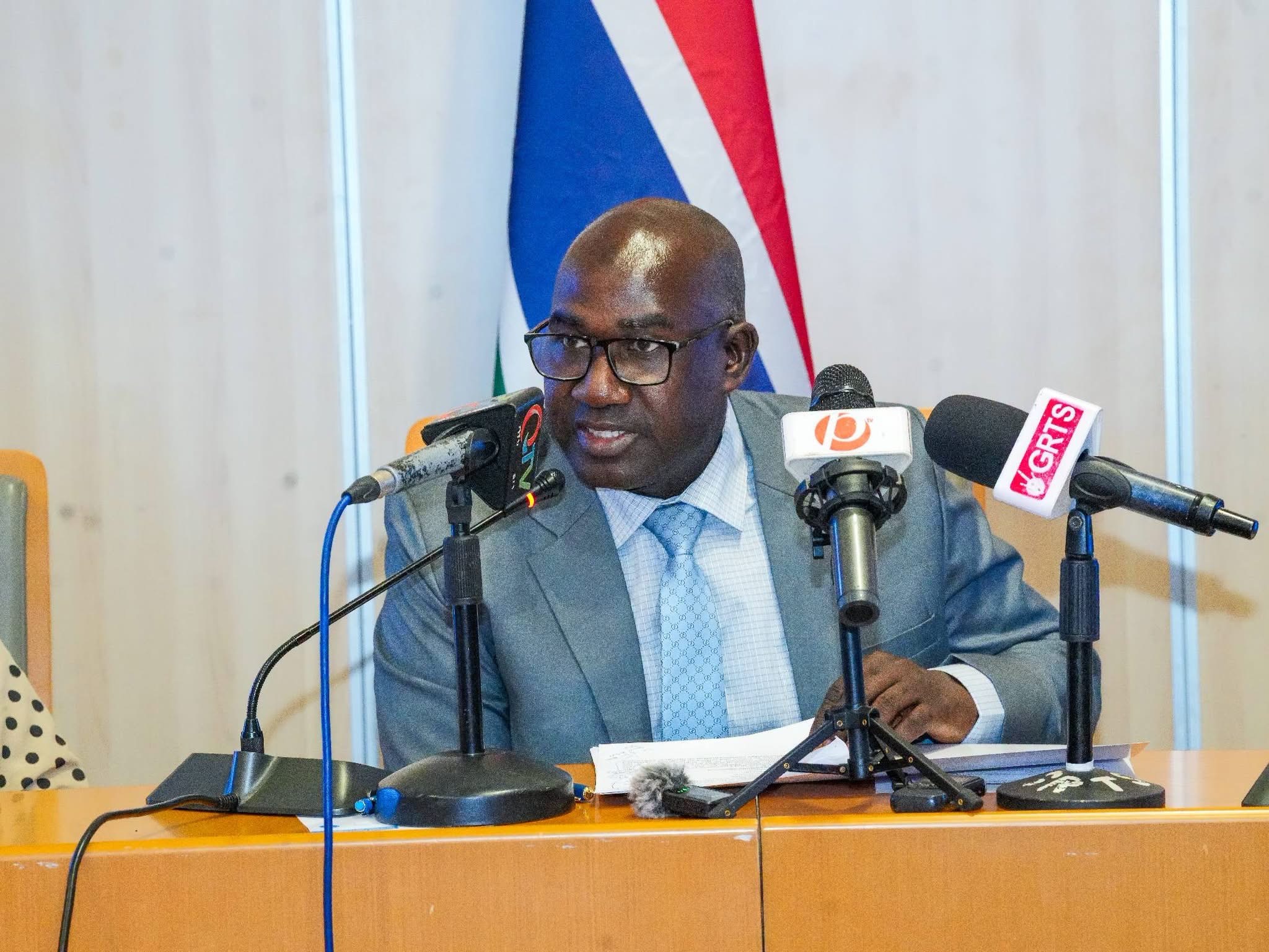
Njie said the review had also surfaced opportunities to speed results, including new financing partnerships, digital birth registration, recently passed nutrition and social protection laws, and deeper community engagement. He reaffirmed the government’s commitment to the UNICEF partnership and called for sustained attention to measurable, equitable and lasting outcomes for children.
UNICEF Representative Nafisa Binte Shafique said the mid-term exercise was essential because conditions had shifted since the program was designed in 2023. Economic pressure, climate-related shocks, rapid technological change and evolving social realities, she argued, require partners to judge what is working and what must be adjusted if stronger results are to be achieved by 2028.
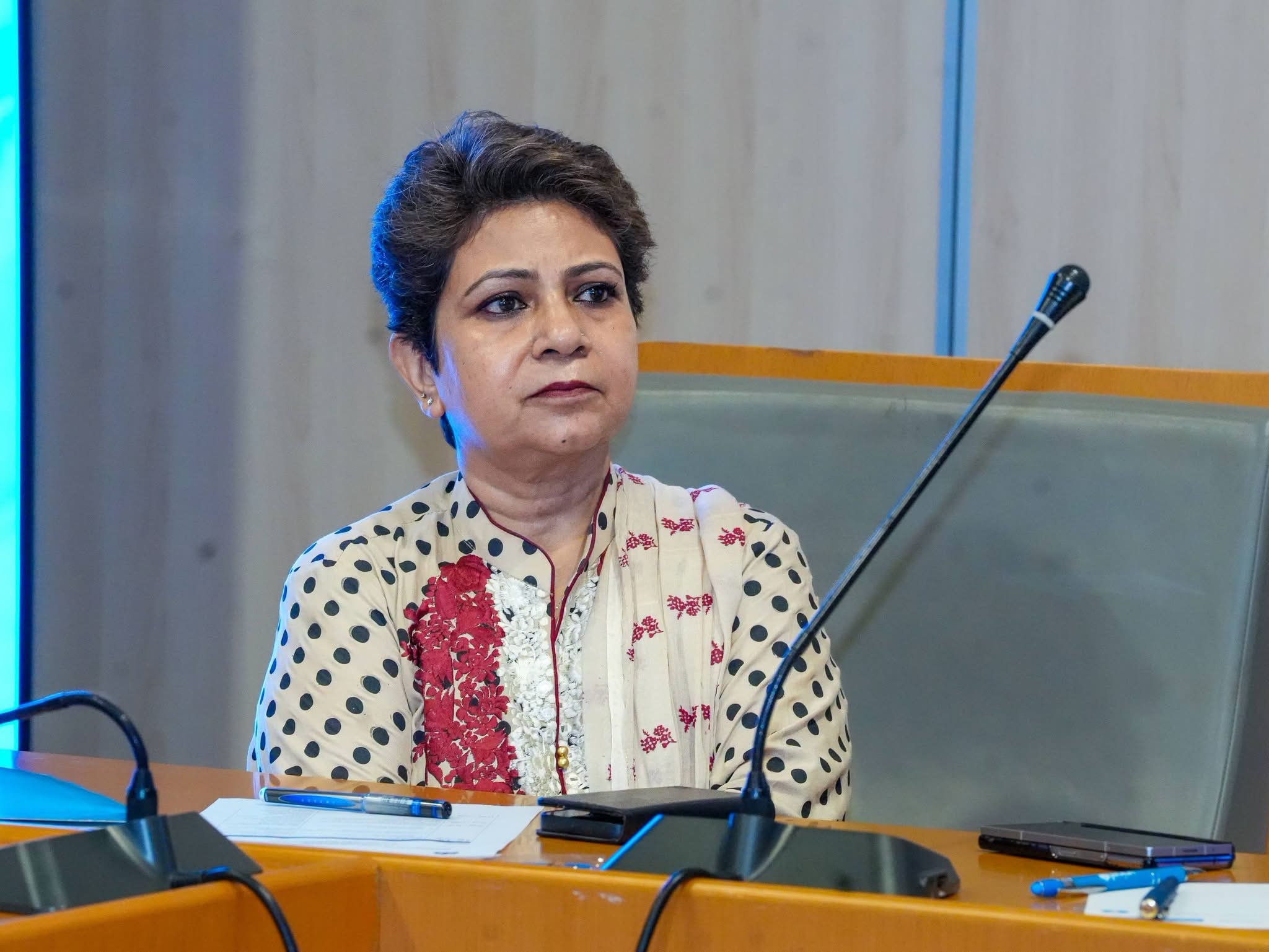
Children and young people remain central to national prospects, she said, noting that about 54 percent of The Gambia’s 2.4 million people are under 19. “When we talk about sustainable development and the future of The Gambia, we cannot move forward without investing in this 54 percent,” Shafique said. She added that the review process began with consultations that included children through the Children’s National Assembly, as well as government institutions, civil society and other partners.
United Nations Resident Coordinator Karl Frederick Paul commended the close working relationship among the government, UNICEF and other actors, describing the Country Program as an important instrument for advancing national development priorities. He said progress has been made in health, nutrition, water, sanitation and hygiene, education, child protection, and social policy, even amid growing global uncertainty tied to economic volatility, geopolitical shifts, and climate shocks.
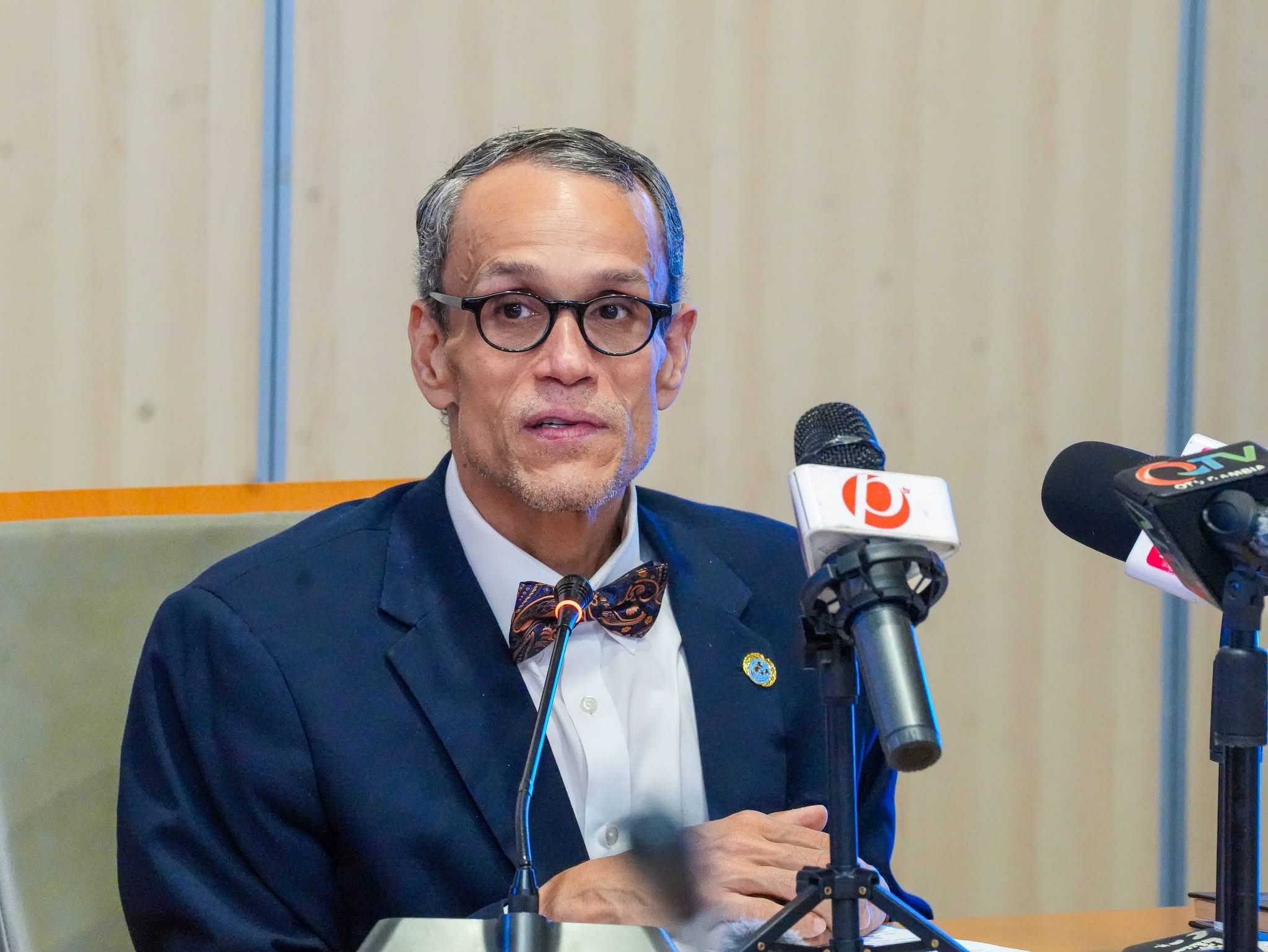
“A mid-term review is more than a checkpoint. It is a moment to ask whether our efforts are producing the change we intended and whether they are reaching the children who need it most,” Paul said.
The review singled out governance and coordination, public finance for children, and integrated information systems as cross-cutting priorities for the remainder of the cycle. The program is aligned with The Gambia’s Recovery-Focused National Development Plan, Yiriwa, and the UN Sustainable Development Cooperation Framework. It seeks to ensure that every child survives, learns, is protected, and has equal opportunity. Implementation began in 2024 and is scheduled to run through 2028.