The Social Accountability Network-Gambia (SAN-Gambia) has called on the Independent Electoral Commission (IEC) to provide sign language interpretation during candidate nomination proceedings immediately, warning that its absence excludes Deaf and hard-of-hearing citizens from an essential stage of the democratic process.
In a letter dated November 8, 2026, addressed to the IEC chairman, the organization requested urgent corrective measures and a written response within seven days of receipt, outlining how the Commission intends to address the concerns raised.
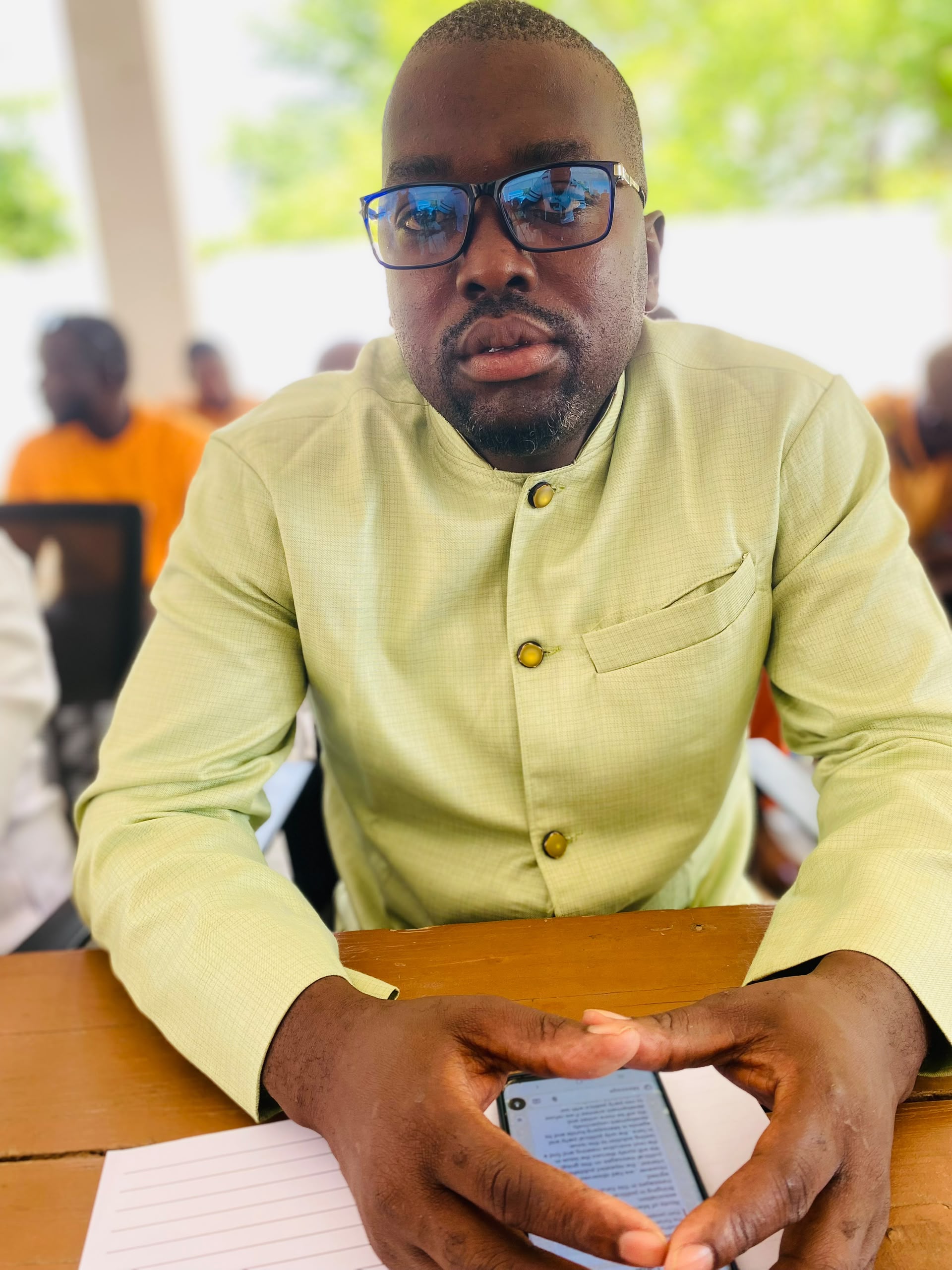
Signed by SAN-Gambia Chairman Saiba T. Suso, the letter commended the Commission’s efforts to promote transparency and public access but said those efforts must include citizens who depend on sign language to understand electoral information.
“Deaf citizens have the same right as every other Gambian to know who is seeking public office and on what terms,” the organization stated.
SAN-Gambia argued that nomination proceedings are more than an administrative exercise, describing them as a public democratic event through which citizens learn about candidates, electoral requirements and their available choices.
It warned that each day proceedings continue without interpretation leaves some citizens unable to access information central to their civic and political participation.
The organization framed accessibility as a legal and human rights obligation, citing provisions of The Gambia’s 1997 Constitution, the Persons with Disabilities Act, 2021, and the United Nations Convention on the Rights of Persons with Disabilities.
According to the letter, these instruments provide protections relating to dignity, non-discrimination, accessible communication and participation in political and public life. SAN-Gambia maintained that public institutions, including the IEC, must make information and services accessible to citizens with disabilities.
Among its immediate demands, the organization urged the Commission to deploy qualified sign language interpreters for all remaining nomination activities, electoral briefings, press conferences and public broadcasts, including televised and livestreamed coverage.
It also requested accessible summaries of nomination proceedings already held, including the names of nominated candidates, through signed videos, captions and plain-language text.
Beyond the nomination stage, SAN-Gambia called for interpretation and accessible formats to become standard across voter education, campaign communications, polling-day information and results announcements.
The group further recommended appointing a disability inclusion focal person within the IEC and consulting the Gambia Federation of the Disabled and the Gambia Association of the Deaf and Hard of Hearing.
SAN-Gambia offered to work with the Commission and both organizations to identify qualified interpreters and support implementation.
However, it warned that failure to address the matter would prompt it and its partners to refer the concerns to the National Human Rights Commission and other relevant oversight bodies.
The letter was copied to disability organizations, the National Human Rights Commission, the Ministry of Gender, Children and Social Welfare, the National Council for Civic Education, media houses and civil society groups.
SAN-Gambia said an inclusive election requires more than opportunities to stand as a candidate or cast a ballot.
It stressed that every citizen must be able to access information, understand electoral procedures, and participate meaningfully throughout the process, adding that no Gambian should be excluded for lack of an interpreter.