By Alieu Ceesay
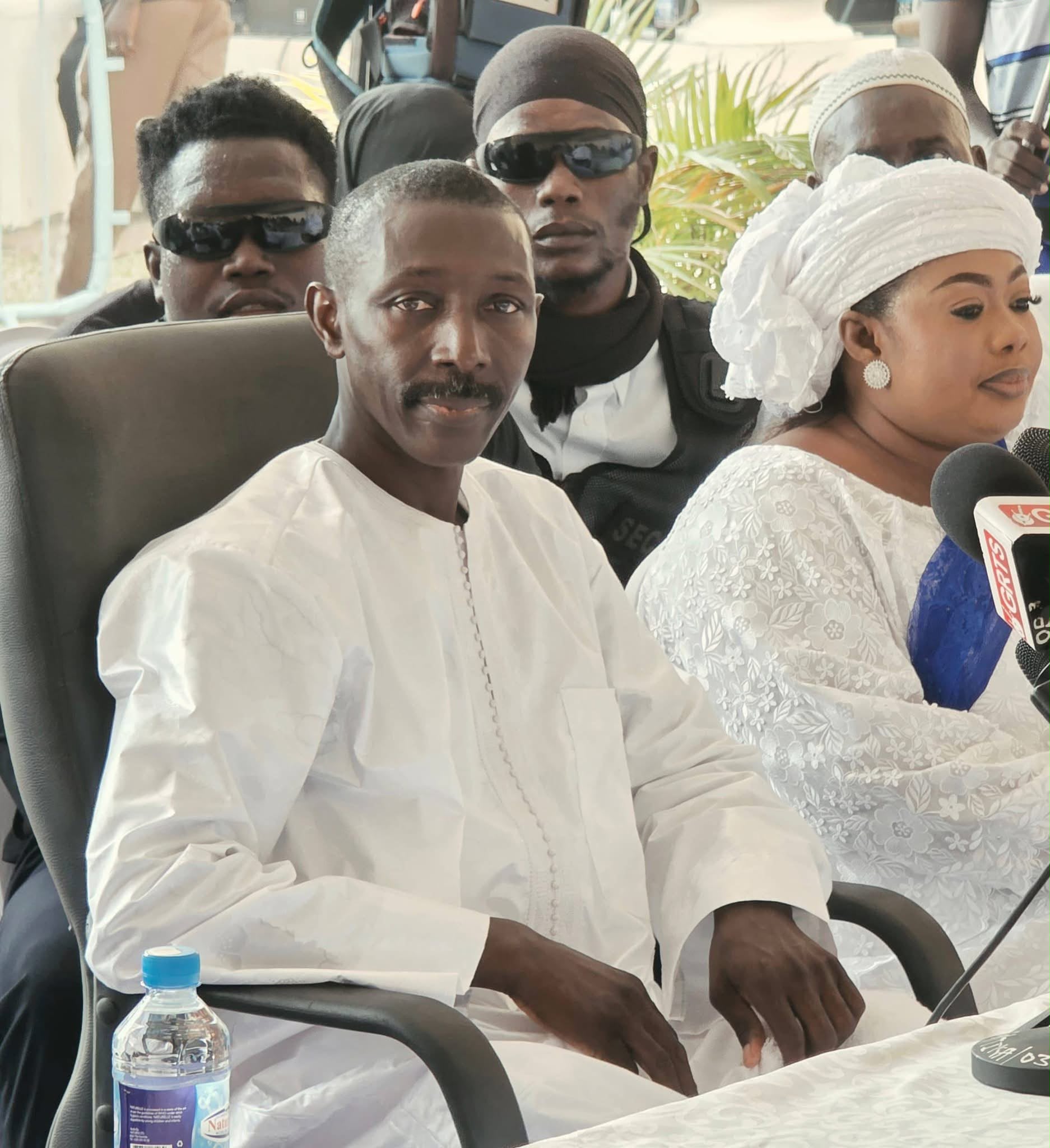
Presidential aspirant Ebrima Tobora Manneh of the People’s Alliance Party (PAP) has declared that his party is better prepared to contest the December 5, 2026, presidential election after its rejection in the previous cycle.
Speaking to journalists shortly after submitting his nomination documents to the Independent Electoral Commission (IEC), Manneh said PAP had carefully studied the shortcomings that led to its earlier disqualification and addressed them. He noted that the party was not formally registered at the time, forcing him to run as an independent candidate.
“Unfortunately, at that time the party was not registered, so I went as an independent candidate. We were rejected for reasons that we’ve learned from. I think we have a lot of experience now. We’ve gone through this process. This is not the first time,” he said.
Manneh expressed confidence in both the electoral process and the IEC, stating that the party had fulfilled all requirements and approached the nomination with greater preparation.
He also dismissed claims that he or PAP endorsed the ruling National People’s Party (NPP) after the previous rejection. “We haven’t endorsed the NPP or any of the contestants. So we kept to ourselves, and we haven’t endorsed anybody,” he clarified.
Explaining his decision to enter politics, the North Bank-born aspirant said he is driven by a desire to see The Gambia become one of Africa’s leading nations. He argued that the country has made insufficient progress under the current administration, pointing to persistent challenges in health, education, employment, and security.
Manneh said his 13 years living in the United States, along with visits to Canada and parts of Europe, reinforced his belief that The Gambia’s relatively small population of less than three million makes it one of the easiest countries in Africa to develop.
“I want The Gambia to be the best country in Africa,” he said, citing Rwanda and Singapore as models of rapid development that The Gambia could emulate.
On economic policy, Manneh stressed the need to empower Gambian entrepreneurs and promote local ownership of key sectors. Drawing comparisons with South Korea’s major indigenous firms such as Samsung, Hyundai, and LG, he argued that The Gambia must deliberately support homegrown businesses that can compete internationally.
Meanwhile, the IEC said it would delay its final announcement on the status of presidential nominations until Monday. The Commission had initially planned to release results on Sunday but received correspondence from two other aspirants. Ismaila Jobe informed the IEC that the official handling his nomination process was outside the jurisdiction, while Alkali Cham notified the Commission of his withdrawal from the process.