I was sitting in my constitutional law class at the University of Washington when our professor projected coverage of the American midterm elections onto the classroom screens. He was closely following Senate races across the country, and many of us shared his interest. The stakes had made these elections impossible to ignore.
Our studies of federal and state power, elections and constitutional limits—including Bush v. Gore and U.S. Term Limits, Inc. v. Thornton—gave the moment particular significance. Questions we had encountered in judicial opinions were unfolding before us: Who exercises power? What restrains it? And how do citizens hold their leaders accountable?
Watching the returns, I found myself reflecting on the significance of voting and the seriousness with which so many Americans approach their elections. For all the country’s divisions, millions still understand the ballot as an instrument through which they can influence the direction of their government.
I have long criticized aspects of the American democratic system. I continue to believe that some of its institutions and electoral arrangements require reform. Yet these elections reminded me of its enduring capacity for correction: citizens can organize, challenge those in office and use established institutions to change the distribution of power.
That capacity deserves recognition.
The constitutional framework developed in Philadelphia in 1787 emerged from difficult arguments about representation, government and the dangers of concentrated authority. George Washington, James Madison, Alexander Hamilton and others helped establish institutions intended to outlast their generation.
Their achievement was also deeply incomplete. Slavery endured, women were excluded from political participation, and equal citizenship remained a promise denied to many. Successive generations had to struggle to expand the meaning of the Constitution’s opening words: “We the People.”
That history makes those words more demanding. They place responsibility on every generation to ensure that government remains answerable to the people and that belonging is not restricted by race, ethnicity, gender, sexual orientation or faith.
My reflection from that classroom is therefore one of renewed appreciation. American democracy retains powerful mechanisms through which citizens can resist government overreach and demand change. Those mechanisms depend on participation, vigilance and a willingness to defend the rights of others.
As I watched, however, my thoughts returned home.
The Gambia is approaching its presidential election on December 5. President Adama Barrow, elected in 2016 after Yahya Jammeh’s 22-year rule and reelected in 2021, is seeking a third term. Prominent opposition contenders include his former political mentor and vice president, Ousainu Darboe, and Kanifing Mayor Talib Ahmed Bensouda.
For Gambians, this election raises questions that extend beyond the personalities competing for office. What have we made of the democratic opening of 2016? What remains of the promise to reform our institutions, strengthen accountability and ensure that public office serves the public?
The change of government carried enormous expectations: constitutional reform, security-sector reform, a professional civil service and a decisive break with impunity. Nearly a decade later, I believe the distance between those expectations and people’s experiences remains troubling.
Government supporters point to infrastructure and relative peace. Those are legitimate subjects for assessment. Citizens must also ask whether progress has adequately addressed the cost of living, employment, electricity, personal safety and confidence in public institutions.
For me, the government has not offered a convincing answer to these concerns. Nor do I believe it has demonstrated the urgency that tackling corruption requires. The continuing desperation of young people who risk their lives on dangerous migration routes should trouble every person entrusted with national leadership.
Political alliances deserve scrutiny too. Essa Faal’s decision to align with President Barrow raises a fair question for someone whose public profile has been closely associated with justice and accountability: what has changed in his assessment of the government, and what concrete commitments justify that partnership?
Citizens are entitled to explanations grounded in policy and principle.
My strongest concern, however, is the normalization of prolonged presidential rule.
I recognize the distinction between what the law permits and what ethical leadership requires. My opposition to a third term is a political and democratic judgment about the concentration of power, the importance of renewal and the precedents we establish.
The American experience offers a useful illustration. Washington’s departure after two terms helped establish a tradition of presidential restraint. The Twenty-Second Amendment later made a restriction on repeated election constitutionally binding.
Term limits cannot guarantee competent leadership, development or freedom from corruption. Their value lies in setting a boundary that does not depend on an incumbent deciding when to leave. They encourage succession and reinforce the principle that a country’s future must never become inseparable from one individual.
Our own history gives Gambians ample reason to take that principle seriously.
Prolonged rule can weaken institutions, narrow political competition and encourage leaders to confuse loyalty to themselves with loyalty to the nation. Constitutional safeguards and a culture of restraint are essential protections against that danger.
I am equally concerned about the character of our political debate. Party loyalty and ethnic identity increasingly threaten to overshadow serious discussion of public policy. Prejudice that should be challenged is too often excused when it benefits one’s preferred political camp.
We cannot build a democratic culture while treating fellow citizens as enemies because of their ethnicity, origin or political affiliation.
The responsibility to prevent that deterioration belongs to all political leaders. The president carries an additional obligation because he commands the machinery of the state.
Executive decisions affecting political rivals must withstand scrutiny for fairness, legality and consistency. Electoral institutions must act independently. Every contestant must have a fair opportunity to participate, and every voter must be able to make a choice without intimidation.
I worry about the consequences if public confidence in that process is damaged. That is a reason to insist on restraint, transparency and lawful dispute resolution now.
If President Barrow wins a genuinely free and fair election, those of us who oppose a third term must respect the lawful outcome while continuing to advocate reform. If voters choose another candidate, the incumbent must accept their decision and facilitate a peaceful transfer of power.
The same democratic standard must apply regardless of who benefits.
Another development in the American elections carries particular meaning for me. Abdul El-Sayed’s projected victory in Michigan would make him the first Muslim elected to the United States Senate.
As a Muslim, I find that deeply significant. His campaign unfolded amid attacks that raised troubling questions about how readily religious identity can be used to cast suspicion on a candidate’s belonging and loyalty.
Every candidate should face rigorous scrutiny of their policies, judgment and record. Muslim candidates should not have to establish their innocence of extremism simply because of their faith.
El-Sayed’s projected victory offers an affirmation that public service and American belonging can embrace people of different religious backgrounds. Its significance reaches beyond one candidate or one community.
The connection to our politics in The Gambia is clear. We cannot condemn Islamophobia abroad while tolerating ethnic prejudice, xenophobia or religious intolerance at home. The principle of equal citizenship must travel with us.
The lesson I took from that constitutional law classroom is that democracy requires sustained work. Voting matters. Institutions matter. So do the habits of restraint, accountability and mutual respect that give constitutional promises practical meaning.
For The Gambia, the coming election is an opportunity to demonstrate that our commitment to democracy extends beyond the historic achievement of removing a dictator.
It must also mean protecting fair competition, demanding answers from those in office, rejecting prejudice and respecting the people’s lawful choice.
“We the People” expresses a responsibility that belongs to citizens everywhere: to ensure that public power remains accountable to the people from whom it comes.
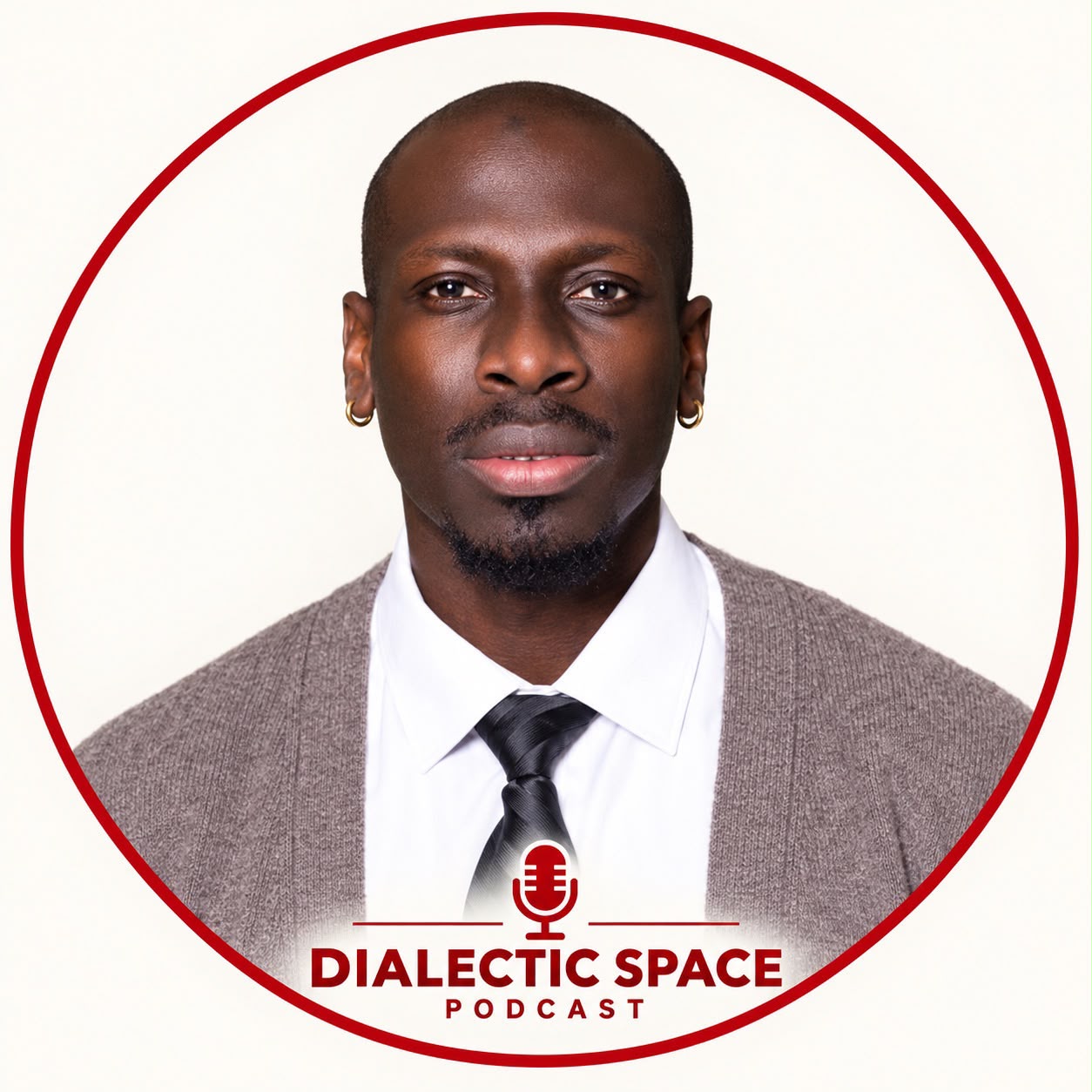
Ebrima Sonko
Host: Dialectic Space Podcast
Seattle, The Gambia