As campaigning for The Gambia’s 5 December presidential election officially opened today, the Gambia Press Union (GPU) called on political parties, the police and media owners to prioritize the safety of journalists covering the process and to uphold press freedom guarantees.
The Union warned that harassment, intimidation, physical or verbal attacks and online abuse against media workers risk undermining the credibility of the election by creating a climate of fear and self-censorship that denies voters access to independent information.
Gambian journalists continue to face such abuses from both state and non-state actors. Police officers or political party militants have physically attacked multiple reporters, photojournalists and camera operators, while politicians and their supporters have frequently subjected them to verbal abuse.
In the months leading up to the vote, the GPU has engaged the Inter-Party Committee, the Gambia Police Force, the Gambia Armed Forces and state prosecutors to improve conditions for media coverage before, during and after the election. It commended these stakeholders for their collaboration and the commitments made during those discussions.
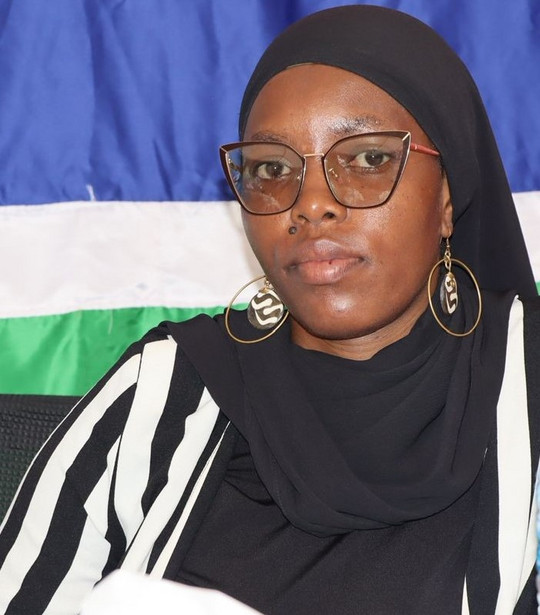
GPU President Isatou Keita said political parties “are expected to restrain their militants and prevent any form of attacks on journalists assigned to cover their campaigns across the country.” She added that parties should also abide by the Revised Jangjangbureh Peace Accord, which provides for respect for press freedom.
Under a Peace Pact signed today, parties and candidates resolved to “respect the independence of media institutions and journalists and shall not obstruct or undermine their work.” They further agreed to refrain from, and discourage, acts of intimidation, harassment or violence against journalists that could jeopardize their safety. The GPU welcomed these pledges and expressed hope they would be implemented to support free, fair, transparent and peaceful elections.
Meita Touray, GPU Board Treasurer and Head of the Gender and Welfare Committee, noted the critical role of security agencies in protecting democratic values and human rights, including freedom of expression, and urged the police to address cases of assault on journalists when they occur promptly.
The Union also reminded media owners, managers and editors of their primary duty to protect staff by supplying proper identification, reviewing assignment risks, devising alternative coverage plans and providing adequate logistics so reporters can travel independently and maintain editorial independence.
“Protecting the safety of journalists also includes not sending them out on the campaign trail with political parties or groups known to be hostile to your medium,” said GPU Secretary General Modou S. Joof. He further warned that the rush to publish, sensationalism, unverified information, disinformation, and hate speech put reporters and their organizations at risk, and called on all media houses, including online platforms, to uphold the highest ethical standards.
While the recent nomination of candidates passed largely without physical attacks on journalists, the GPU observed targeted online attacks on some media houses by individuals linked to political parties. In one case, Jankey Touray of The Liberal Times reported receiving verbal threats after asking United Democratic Party leader Ousainou Darboe about his pledge to serve only one five-year term if elected.
The GPU condemned the incidents and urged party supporters to address any grievances through the Media Council of The Gambia rather than resorting to verbal or physical abuse.