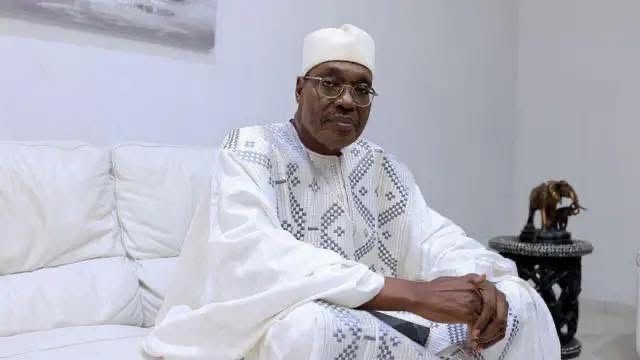
Self-proclaimed winner of Cameroon’s disputed October 2025 presidential election, opposition leader Issa Tchiroma Bakary, has issued a dramatic public appeal from temporary asylum in The Gambia, directly calling on the country’s defense and security forces to escort him back to Yaoundé.
In a pointed message released Tuesday, Tchiroma told Cameroonian soldiers and security personnel: “Come and take me home.” He reminded them of the oath they swore to protect the Cameroonian people and declared himself ready to assume what he insists is the popular mandate stolen from him in last year’s vote.
“I am living in forced exile here in The Gambia,” Tchiroma said. “I won the election, and I am prepared to return to exercise the will of the people.” He also pledged to overhaul the military, promising better conditions, improved status, and a more professional force that properly reflects the risks soldiers face.
The appeal comes at a sensitive moment. President Paul Biya, in power for over four decades, has been absent from Cameroon for more than 40 days, with no official return date announced. The prolonged absence has fuelled speculation and uncertainty in the central African nation.
The Gambian government last year confirmed that Tchiroma arrived in the country on 7 November 2025 and is being hosted on strictly humanitarian grounds.
In an official statement, Banjul described the temporary stay as an act of “African solidarity” aimed at guaranteeing his personal safety. At the same time, diplomatic efforts seek to calm post-election tensions in Yaoundé. Officials stressed that the arrangement does not constitute political endorsement of his claims.
Cameroon’s presidential election was held on 5 October 2025. The electoral commission declared long-serving President Paul Biya the winner, but several opposition candidates, including Tchiroma, immediately rejected the results.
Opposition figures cited widespread irregularities, voter suppression, and fraud. Protests that followed were met with a government crackdown, leaving dozens injured and raising fears of reprisals against defeated contenders.
Tchiroma’s direct outreach to the military is being viewed by analysts as an attempt to pressure the security establishment, traditionally loyal to Biya, amid lingering post-election instability. Whether his call will resonate within the ranks remains uncertain. Still, it underscores the depth of the political rift that continues to divide Cameroon more than nine months after the contested vote.
As diplomatic channels remain active, Tchiroma’s presence in Banjul highlights the regional ripple effects of Cameroon’s disputed election and the fragile state of democratic processes in parts of Central and West Africa.