By: Alieu Ceesay
The Economic Community of West African States (ECOWAS) has reaffirmed its dedication to supporting persons with disabilities across the region by advancing a major initiative to provide essential assistive devices to children with disabilities.
The regional bloc’s latest Advocacy and Sensitization Mission on Assistive Devices aims to improve access to tools that promote mobility, independence, and quality of life for vulnerable children. The devices include wheelchairs, crutches, prostheses, hearing aids, and glasses – equipment considered critical for supporting development, education, and social participation.
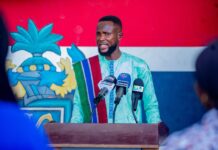
Speaking at the event, Dr. Alves D’Almanda Jorge, Principal Program Officer for Social Affairs at ECOWAS, emphasized the Commission’s strong commitment to disability inclusion. He highlighted ongoing collaboration with member states to integrate persons with disabilities fully into society, in line with the United Nations Convention on the Rights of Persons with Disabilities.
“In conclusion, allow me to assure you of the ECOWAS Commission’s commitment to providing determined leadership and deploying the necessary resources to ensure the success of social inclusion in the ECOWAS region,” Dr. Jorge said. “I remain convinced that together, we will succeed in making social inclusion a reality for all persons with disabilities in all ECOWAS Member States.”
The program builds on earlier efforts. In 2024, ECOWAS launched the first phase targeting children with disabilities in Togo and Nigeria. Following recommendations from ministers responsible for disability inclusion at their inaugural meeting in Nigeria in June 2024, the Commission has approved the third phase, scheduled for implementation in 2026 in The Gambia, Senegal, and Guinea.
Despite notable progress, children with disabilities in West Africa continue to face marginalization, discrimination, and barriers to education and social participation due to limited access to assistive technologies.
Muhammed Krubally, President of the Gambia Federation of the Disabled, welcomed the ECOWAS initiative and called for effective collaboration to ensure the provision of high-quality devices.
“Whilst we are all here, I call on all of you… to ensure a very effective and robust participation… to come up with very useful assistive devices that will enhance the quality of life of these children… and support their success in school environments,” Krubally said.
Alaya Barra, Director of Social Welfare at The Gambia’s Ministry of Gender, Children and Social Welfare, described the program as both timely and strategic. He noted that his ministry remains committed to national policies supporting persons with disabilities and strengthening partnerships with disability organizations.
“This ECOWAS-led program is therefore both timely and strategic. It provides a regional platform for strengthening collaboration, sharing best practices, and ensuring that no child is left behind,” Barra said.
Awa Boye, a person with a disability, described the initiative as a great opportunity that will significantly impact the lives of children with disabilities.
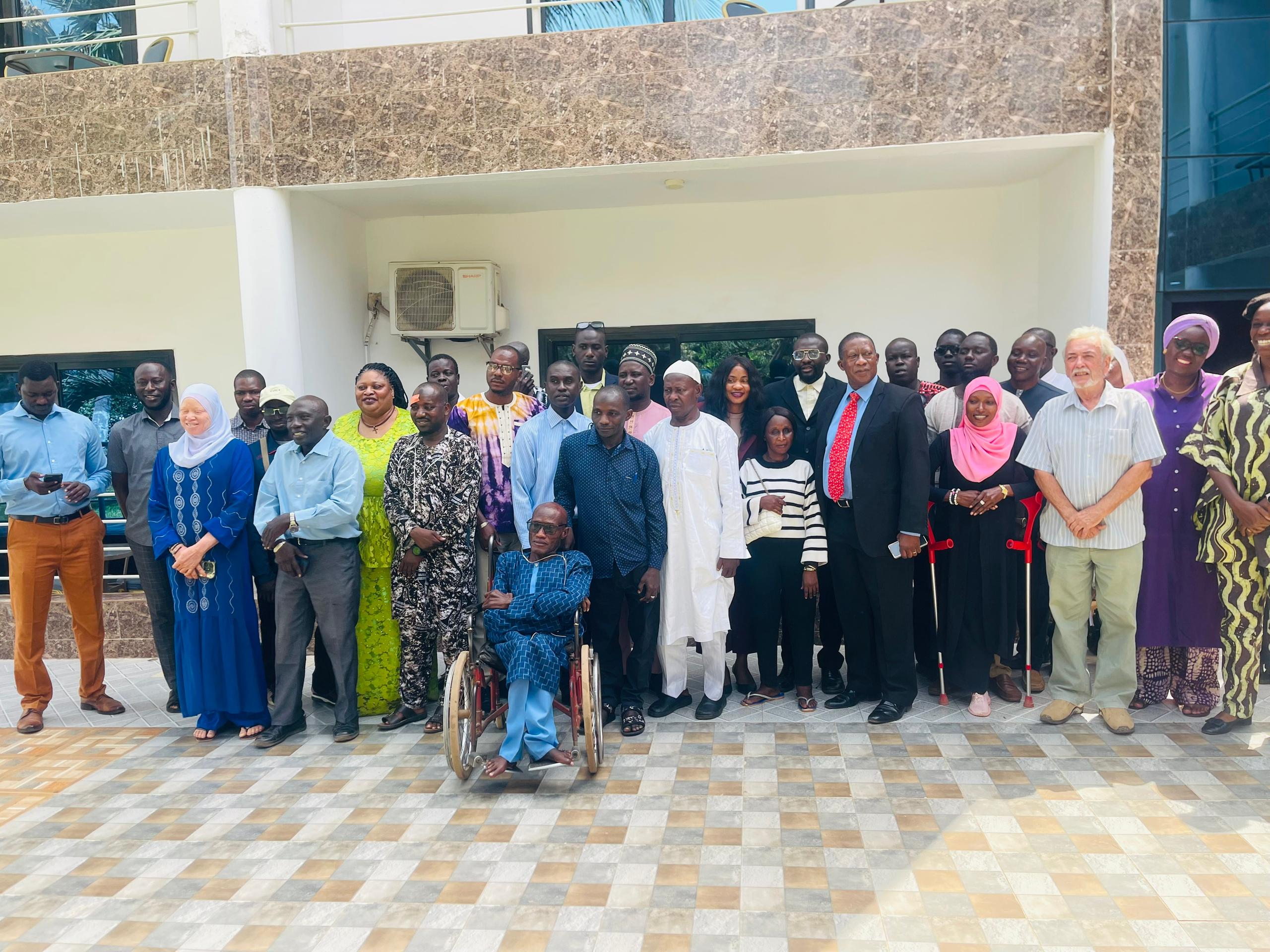
The sensitization event, held today at Metzy Hotel in Banjul, brought together key partners, disability groups, stakeholders, and policymakers to discuss implementation strategies and regional cooperation.