By: Kebba Ansu Manneh
Scores of farmers in Northern Gambia are living in a state of fear, anxiety and bewilderment as a Senegalese ultimatum ordering them to abandon their farmlands remains in force. The border crisis, which first flared in mid-July, is gradually spreading to other parts of the country, investigations by The Alkamba Times (TAT) have revealed.
This newspaper first reported the Gambia-Senegal border dispute on 16 July 2016 after Senegalese Gendarmerie stormed the Gambian border settlement of Bullock in the West Coast Region. There they demolished a 200-meter fence belonging to the Bullock Military post before issuing notices to Gambian farmers instructing them to vacate their land, which the Senegalese authorities claimed formed part of Senegalese territory.
Subsequent investigations by TAT uncovered that similar notices had been issued by various sous-préfets (regional administrators) in Senegal to farmers in Jimbala Kerr Musa in Lower Saloum District, as well as in Njau and Panchang Makka Gui in Upper Saloum District. Notices have also reached communities in the Lower River Region and, most recently, Gambissa in the Upper River Region.
The notices ordered all Gambians to leave any lands situated along the disputed stretches and warned of serious consequences for anyone found continuing to farm in defiance of the new status quo.
On Monday, TAT dispatched Senior Investigative Reporter Kebba Ansu Manneh and Digital Photographer Momodou Gagigo to the communities of Jimbala Kerr Musa and Panchang Makka Gui in Northern Gambia to gather first-hand accounts from farmers who have been ordered to abandon their fields in the middle of the rainy season.
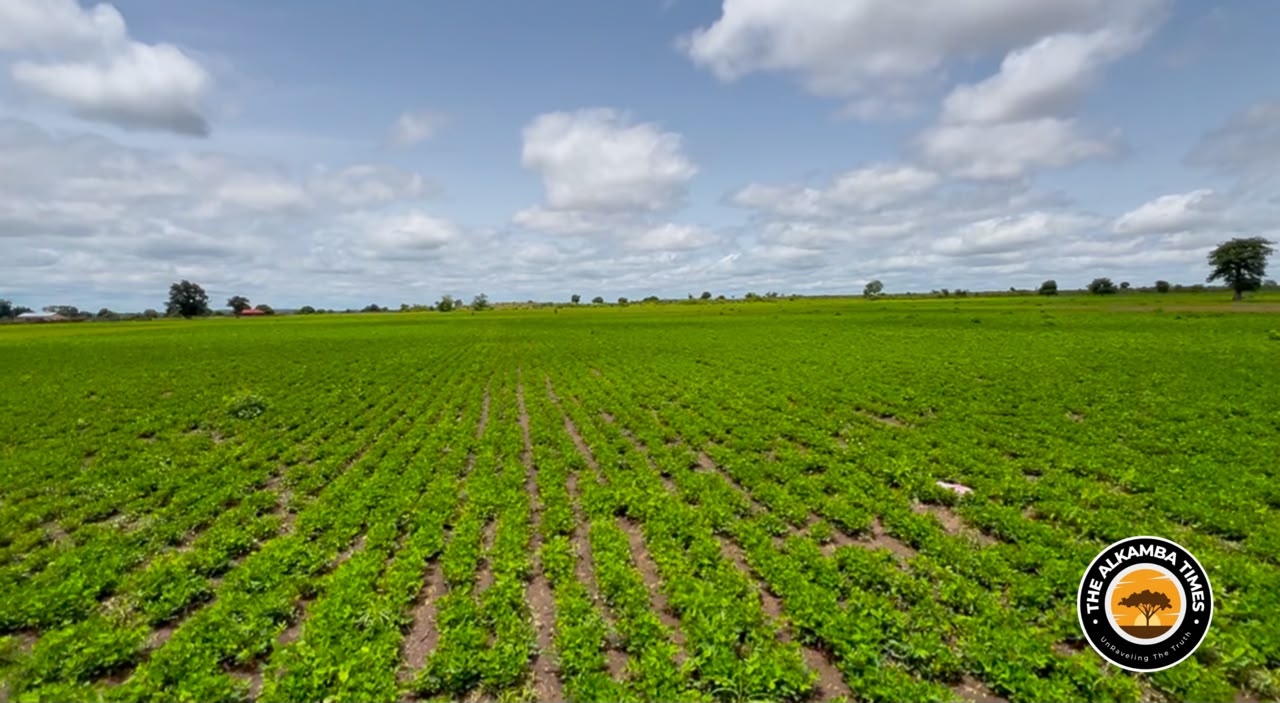
In Jimbala Kerr Musa, elder farmer Babucarr Bah described his encounter with the Senegalese Gendarmerie. “When the Gendarmerie came, they told me their government had taken a decision and that five members of my community, including myself, should stop farming on our farms. I told them that would be very difficult because we had already started weeding our groundnut farms, but they insisted that this was an order from their government and that when they came back and found us farming on their land we would pay the price,” he said.
Bah added that the warning continues to haunt him. “The warning of the Gendarmerie is still echoing in my ears. I am still living with the fear that I may lose my farm at any moment. They told us whether we like the decision or not is not their business and that if we are not happy we can go and complain to our government.”
Young groundnut farmer Musa Bah strongly condemned the timing of the border tension. He argued that any dispute between The Gambia and Senegal should have been resolved during the dry season rather than at the height of the farming calendar. Speaking with visible emotion, he said there is nothing more painful for a farmer than being forced to abandon crops mid-season.
“I think the Senegalese should be considerate of the plight of the farmers whose farmlands are located in the disputed areas until after the rainy season. Already we have spent a lot of energy and resources on our farmland and abandoning them will be one of the most painful decisions we can take,” Musa Bah told TAT.
He acknowledged the Gambian government’s assurance of compensation for any losses but insisted that money could never replace the full benefits of a successful harvest. “As farmers, we are appreciative of the government’s willingness to compensate us, but no form of monetary compensation can be equal to the benefits one can get from your farm. At this moment, what we prefer is for the government to engage the Senegalese authorities to withhold its decision until after the rainy season.”
Ebrima Ceesay and Muhammed Ceesay, both farmers resident in Panchang Makka Gui, gave similar accounts. They said the entire community is living with the constant fear of losing the entire season’s work because of the strong warnings issued by the Senegalese Gendarmerie and the continued inability of the Gambian authorities to resolve the matter.
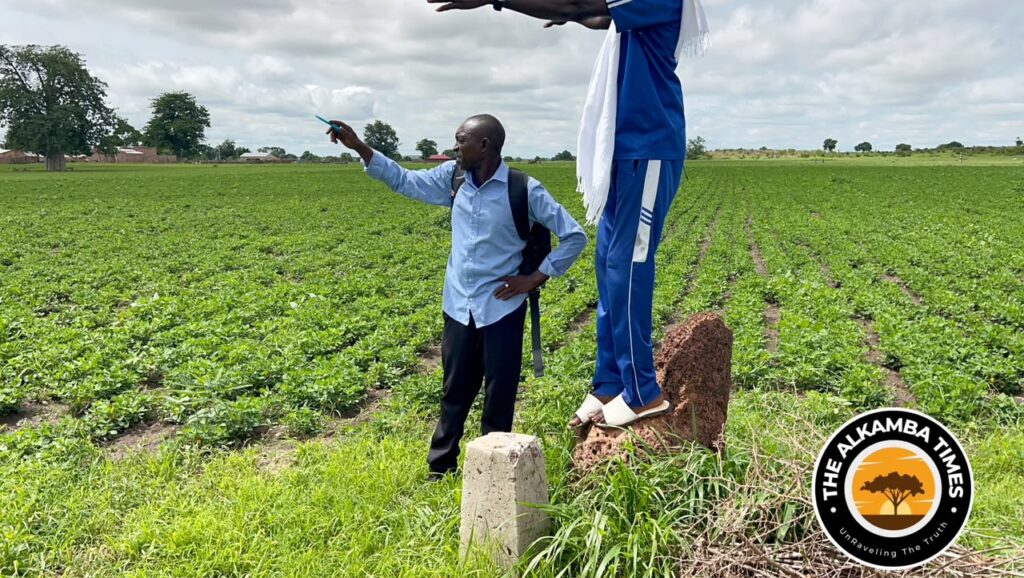
Ebrima Ceesay recounted a confrontation on Saturday 18 July. “While working on my maize farm, I saw three pick-up trucks approaching me. When I took a second look, I realized that these were not Gambian officers but Senegalese soldiers. They abruptly stopped just next to my garden, disembarked, and one of them came out with a map and started pointing at our farmlands, saying it was all part of Senegal,” he said.
“When I saw the Gendarmerie alighting from the vehicles fully armed, I was definitely afraid because I thought there was something wrong. However, when I took a closer look, I did not see any Gambian official or service members there, only Senegalese officials. I decided to take a video record of them, but they stopped me and threatened to take my phone if I proceeded with the recording.”
Ceesay insisted that the farmlands in question have always belonged to The Gambia. “The farmlands that the Gendarmerie asked farmers to vacate are not part of Senegalese territory but part of The Gambian territory. Even though boundary pegs are clearly visible and standing, the Senegalese Gendarmerie asked us to leave these farmlands that our forefathers have been cultivating for decades.”
Muhammed Ceesay observed that forcing Gambian farmers off their land at the height of the rainy season undermines the long-standing cordial relationship between the two neighboring countries. He warned that reallocating land seized from Gambian farmers to Senegalese residents living side by side along the border would only deepen existing tensions.
Ceesay appealed to the Gambian government to engage its Senegalese counterparts immediately to resolve the crisis. He noted that many farmers are now in a state of desperation and confusion as the warnings remain in place with no clear sign of a swift resolution.
Across the affected communities, the pattern is the same: farmers who have already invested labor, seed and scarce resources in groundnut, maize and other crops now face the prospect of watching their fields go to waste. The rainy season is the critical window for production in this part of the country, and any interruption carries severe consequences for household food security and income.
While the Gambian government has indicated readiness to compensate those who suffer losses, the farmers interviewed by TAT repeatedly emphasized that compensation, however well-intentioned, cannot fully replace a successful harvest. Their preferred outcome remains a diplomatic solution that allows them to complete the current farming season without further interference.
As the notices continue to hang over communities from Lower Saloum to Upper River Region, the sense of vulnerability is palpable. Farmers who have tilled the same land for generations now find themselves uncertain whether they will be allowed to reap what they have sown. The border crisis that began with the demolition of a fence in Bullock has since expanded into a wider threat to rural livelihoods, leaving scores of Gambian farming families suspended between fear of enforcement and hope for a negotiated settlement.