
As I grow in this profession, I continue to place greater emphasis on transfers involving domestically based Gambian players moving abroad, rather than focusing primarily on foreign-based players during transfer windows. The latter, in this context, has a significant impact on the national team and represents an important personal milestone for the player.

The Gambia continues to make waves in the international transfer market, thanks in part to the work of agents, clubs and academies that are increasingly providing players with clear developmental pathways from grassroots football to the professional game.
The recent qualification of the Gambia U17 team for the U17 AFCON and U20, could further strengthen this pathway and create more opportunities for young Gambian players to attract international attention.
We have already seen the impact of international exposure at youth level. Following the U20 World Cup campaign under Abdoulie Bojang and the 2020 U20 squad of Matarr Mboge a significant number of players from that squad went on to secure professional contracts. That experience demonstrated how competitive youth tournaments can serve as an important platform for Gambian players to take the next step in their careers.
Gambian clubs and academies are becoming more involved in creating international opportunities for their players. In just one week, three young footballers from different academies and club secured moves to Slovakia, highlighting the growing importance of local development structures in connecting Gambian talent with opportunities abroad.
The three players are: Samba Manga – Attacking midfielder from Stingers Football Academy. Patrick Demba – Striker from Baalor Sarr FC. Alieu Jallow – Right winger from Mbollo Academy, who has signed a two-year contract with FC Nitra.
Meanwhile, Unique Global stood out during the summer transfer window by facilitating moves for four players to clubs abroad. Abdoulie Gassama joined FC Baník Ostrava in the Czech Republic, while Ousman Jammeh moved to MASFOOT and Abdoulie Danso joined Arabian Club, both in the United Arab Emirates. Modou Lamin Bojang, meanwhile, signed a two-year contract with Manila Digger in the Philippines.
Turkey: A Growing Pathway for Gambian Players
The Turkish route is now starting to make more sense for Gambian football, with players from different clubs and academies increasingly finding opportunities within the country’s professional clubs.
The model can create a win-win situation: young Gambian players join Turkish clubs at an early age, train and develop within their systems, and, once they turn 18, have the opportunity to sign professional contracts and make permanent moves.

One of the recent Gambian arrivals, Elvin Mendy, has already made his debut in for the scorpions, while Saikouba Jarjue has attracted the attention of Scorpions head coach Jonathan McKinstry.
The pathway is also providing opportunities for other young Gambians. Ansumana Badjie and Lamin Colley had trials with the Samsunspor U19 side, while Essap Njie has signed a five-year professional contract with Istanbulspor.
Njie is the latest player from MMK Academy to join Istanbulspor, following Alieu Cham, Elvin Mendy and Yerro Savage.
Elsewhere, Assan Bojang is developing with Trabzonspor U19, while Abdoulie Njie is with İstanbul Başakşehir. Ousman Ceesay recently joined Sivasspor on loan from Samsunspor.
Another player making significant progress is Saikouba Jarjue, who has already started five league matches for Samsunspor and has contributed two assists.
Musa Jatta replaces Seedi Kinteh at Tromsø IL
Musa Jatta’s move to Tromsø IL represents another significant step in the development pathway at BST Galaxy, and the transfer could bring further financial benefits to the Gambian club.
There is little doubt that BST Galaxy will continue to benefit financially from Jatta’s transfer, but beyond the transfer fee, the exposure and ambassadorial value of having a former Galaxy captain reach this level is equally significant.
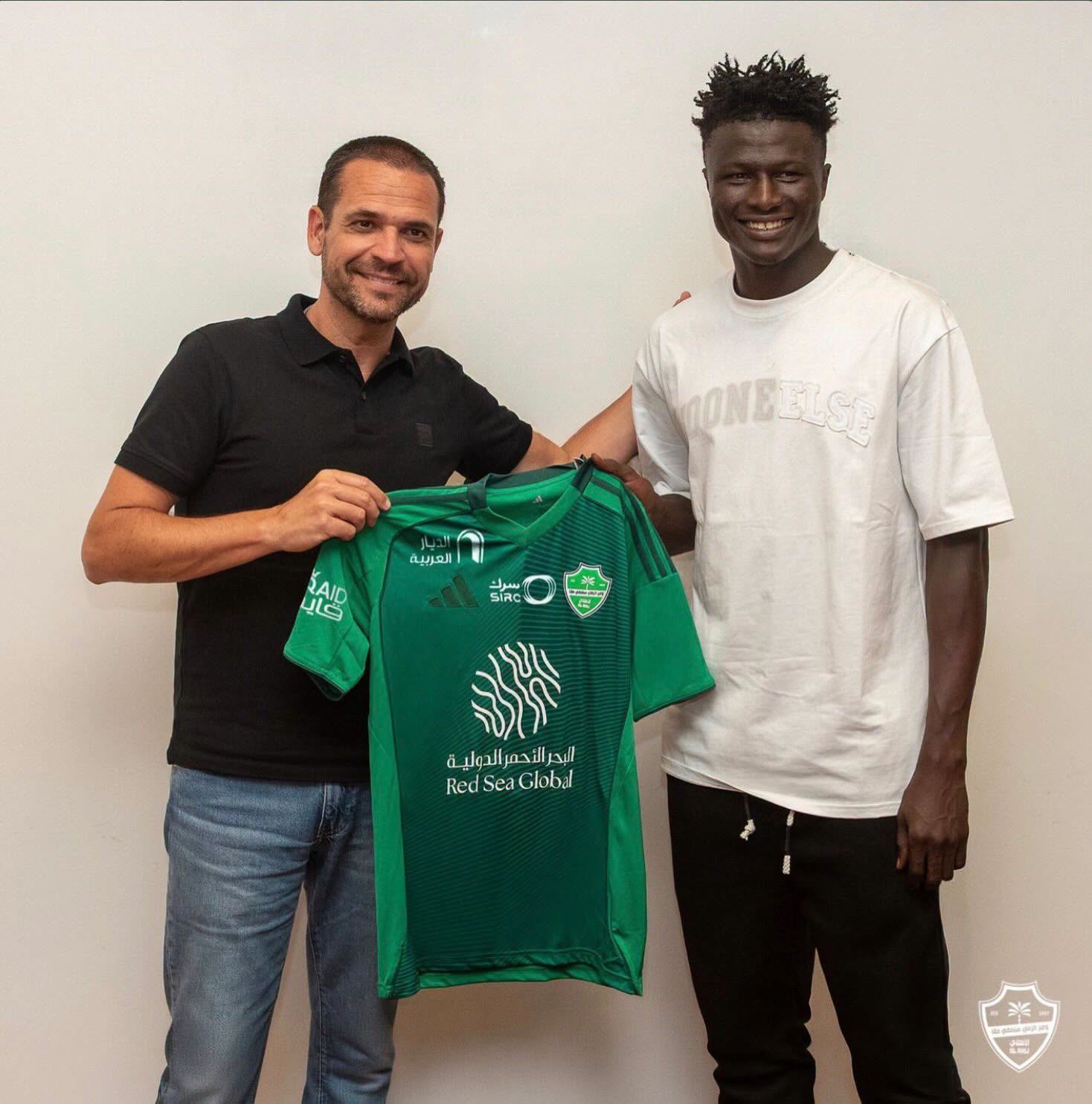
Jatta attracted interest from several clubs before settling in Norway. The list included some of Europe’s traditional record champions, such as Ferencváros, FC Copenhagen and Ludogorets Razgrad. What makes the transfer even more notable is that Jatta made only 10 appearances in Sweden’s Superettan. Yet those limited appearances were enough to put him on the radar of clubs across Europe.
For BST Galaxy, Jatta’s journey demonstrates the value of giving young players a platform, trusting their development and exposing them to competitive environments.
Performance Before the Move Matters
Alasana Jatta, Baboucarr Faal, Abubacarr Barry, Bubacarr Tambedou, Salieu Drammeh Adama Kanteh, Paul Colley, Yusupha Jammeh are examples of players whose performances before their transfers were already visible.
The numbers spoke for themselves. They were producing standout performances week in, week out, making the next step in their careers almost inevitable. Their form, consistency and overall contribution provided a clear indication of their capabilities before they moved abroad.

Had Adama Sidibeh not suffered his injury; there was a strong possibility that his performances could have put him in contention for another move this past summer.
The same applies to the locally based players. Adama Kanteh, Paul Colley and Yusupha Jammeh all played their part during the GFF 2025/26 season, producing performances that made them stand out.
The Changing Pathway for Gambian Players
We have seen Gambian players make their way through the Maghreb, Kenya, South Africa, Liberia, Mozambique and other African leagues, with Senegal historically serving as one of the biggest destinations and development pathways for Gambian talent.
However, the number of Gambian players moving through Senegal has declined drastically. There are still a couple of Gambian players within Senegalese academy setups, but the pathway is no longer as dominant as it once was.
This transfer window, alongside some of the previous moves, has also seen Libya emerge as another destination for Gambian players. Sudan is back in the mix as well and rightly so, particularly with Al Hilal of Sudan securing the services of three Gambians.
Al Hilal, Sudan’s record champions, have been unable to play their home matches because of the ongoing war, but they continue to compete competitively in the CAF Champions League.
The bigger picture is that Africa is no longer necessarily the final destination it once was. The traditional pathway was often to move from Gambia to another African league, establish yourself and then make the jump to Europe. That model is changing.

More Gambian players are now making direct moves to Europe, securing professional contracts without necessarily having to spend several years elsewhere on the continent first.
The route to Europe is changing and the GFF league is becoming an increasingly important shop window for Gambian talent.
Italy
There was a time when we had six Gambians playing in Serie A. Over the years, that number has dropped to just two Alieu Fadera, on loan from Como to Sassuolo, and Sulayman Jallow, who has recently been temporarily promoted to the first team.
Italy has been one of the more inconsistent destinations for Gambian players. Italy has opened its doors to Gambian talent before. The challenge now is for this new generation to make the opportunity count.
From Serie D to Serie C, Serie B and Serie A, the numbers and expectations continue to fluctuate. We have seen different waves of Gambian players arrive in the Italian system, but the challenge has always been turning those opportunities into sustained top-level careers.
Loans
Mustapha Nyassi, Gibril Sosseh, Musa Njie, Abdoulie Tamba and Lamin Sillah are among the few Gambian players who have recently gone out on loan.
Interestingly, most Gambian players sent on loan are predominantly moving to the same league, usually a tier below their parent club, with the notable exceptions of Gibril Sosseh and Youssoupha Sanyang.
The idea behind a loan deal is not simply to move a player elsewhere. It is often about development, adaptation and gaining valuable competitive experience.
For young Gambian players, a loan can provide an opportunity to become acquainted with a new league, understand the tactical demands, adapt to the pattern of play and, most importantly, get regular competitive football.
That is why playing time is perhaps the most important factor in any loan move. Ninety minutes every week, learning from competitive matches and being trusted by a coach can sometimes be more valuable than simply being registered at a bigger club.
The ultimate objective should be clear: go out, play, develop, adapt and return to the parent club as a better and more prepared footballer.
Academies
Credit again to the Gambian academies. Following our list highlighting some of the academies making an impact in the country, several have continued to make names for themselves and, more importantly, create pathways for young Gambian footballers.
GreenWave Academy has recently seen two of its players secure transfers, while KWT product Mbemba Jammeh has also secured a move abroad. This puts beyond doubt that transfer opportunities are not limited to First Division clubs. Second Division clubs, academies and youth teams are equally capable of producing players who can earn moves abroad.
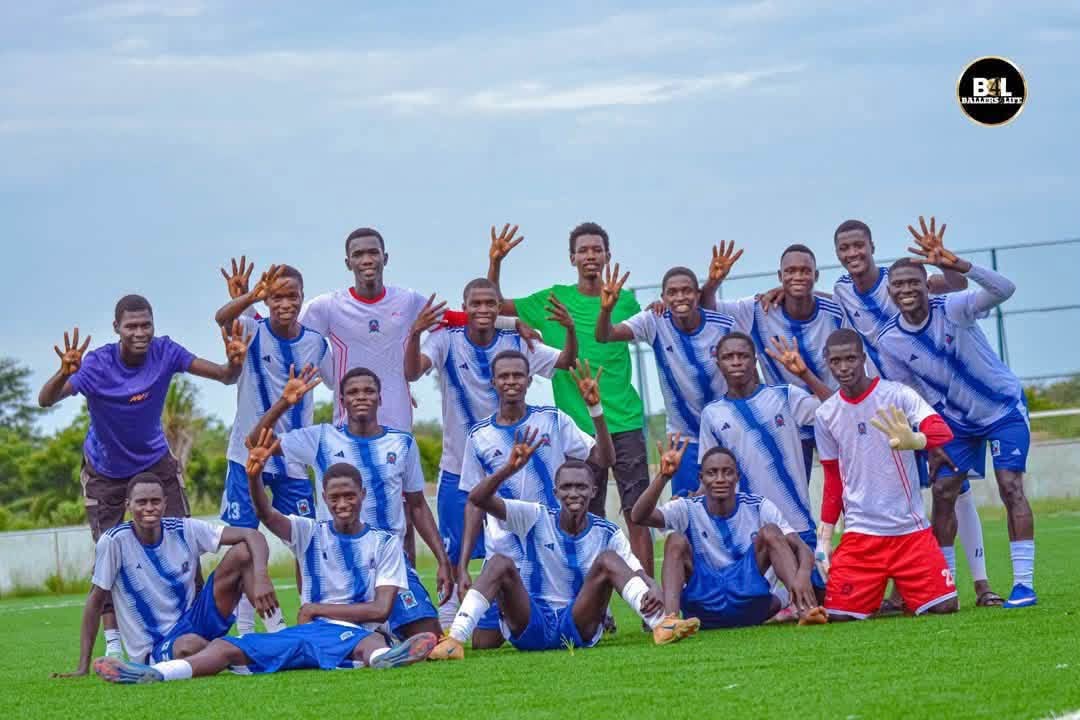
Academies and youth clubs continue to provide an important transition pathway. Many players who eventually establish themselves in the various divisions are first identified, trained and developed within academy structures.
There are several academies clearly moving in the right direction. Investment in infrastructure, coaching and player development is beginning to show its value.
Rainbow Academy, Universal Football Academy and Bena Basse Academy have particularly stood out over the last six months for their efforts and continued development.
It is a blessing to have Gambinos within the Gambian football setting, raising standards, creating opportunities and showing what can be achieved when player development is taken seriously.
The future of Gambian football will depend heavily on these academies and youth structures. Their work deserves recognition and, where possible, greater support.
Scandinavia: A Growing Market for Gambian Football
Sweden, Finland, Norway and Denmark the four Nordic countries continue to provide an increasingly important market for Gambian football.
Not necessarily simultaneously, and not always at the same level, but having Gambian players now connected to all four countries is a positive direction and a sign that the Scandinavian pathway is becoming more established.
Sweden, in particular, remains the biggest destination, with the vast majority of Gambian players either having passed through the Swedish system or currently playing there.
We saw a relatively limited number of Gambian players move during the past summer window, but the winter transfer window could tell a different story, especially considering the number of U18 players who have travelled to the Nordic countries for trials and training. Among them are Bakary Jammeh (BST Galaxy), Mambureh Saine and Sulayman Kandeh, all products of Excellence Academy.
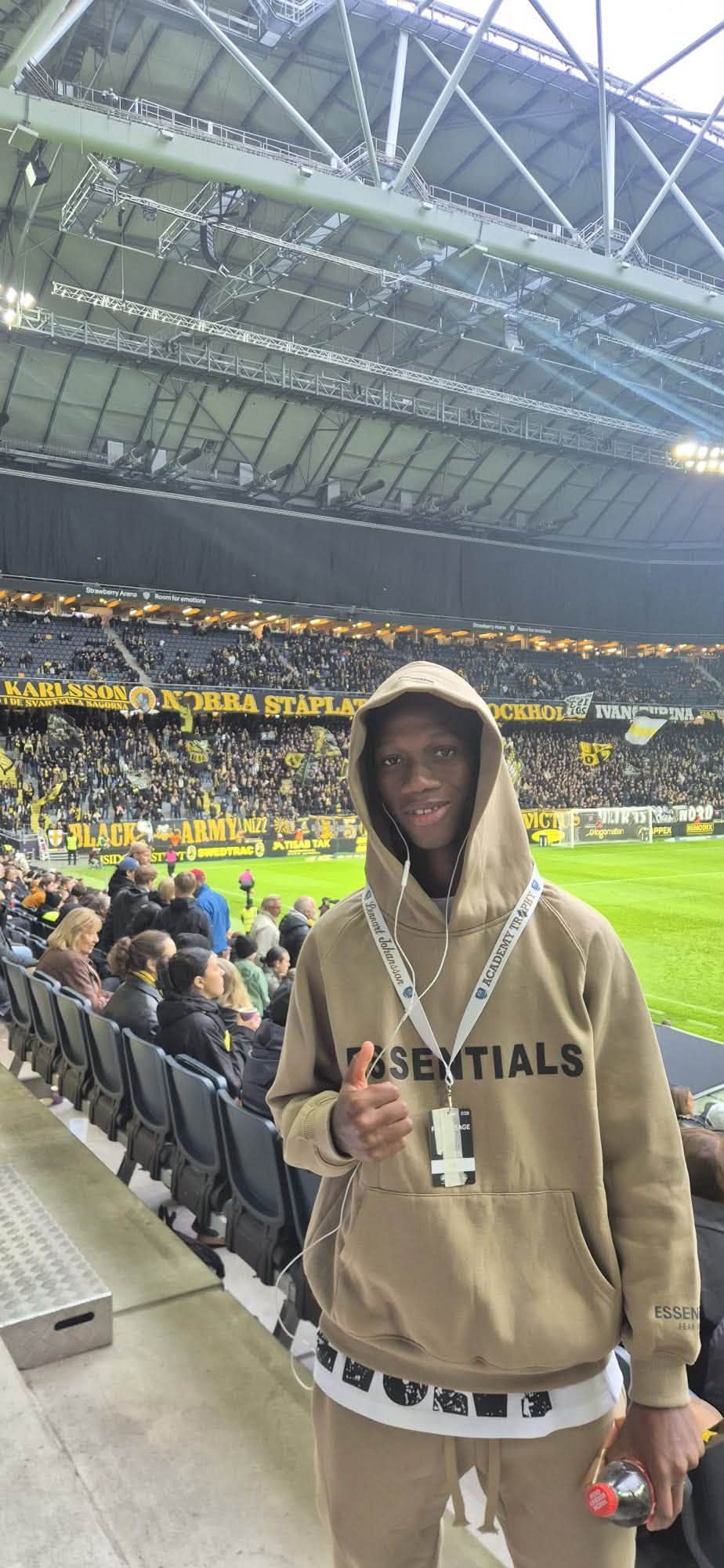
Then there is Modou Loum of BK West, who is expected to sign a professional contract once he turns 18. Francis Gomez is also expected to sign with AC Horsens when he reaches 18, having been travelling to Denmark since October 2024.
Francis has essentially been using this period to train, adapt and prepare himself for first-team football. Amara Camara followed a similar pathway with Kalmar before being unveiled during the summer. This is where Gambian academies and clubs are beginning to unlock the potential of the Scandinavian pathway.
And behind much of this development is Modou Lamin Beyai, whose pioneering work, persistence and relentless efforts helped open the door and demonstrate that this market was possible for Gambian players.
Today, even without a Gambian player at every major Swedish club, there is already a growing presence. AIK, Djurgården, Hammarby, IFK Göteborg, Kalmar FF, Öster IF and Östersunds have all had Gambian connections within their structures.
Scouts from clubs such as Elfsborg, Djurgården and AIK have also travelled to The Gambia and continue to monitor players. The numbers are beginning to count.
While writing, two significant announcements emerged, further highlighting the importance of providing Gambian players with opportunities to showcase their talents on bigger platforms.
BST Galaxy FC’s rising midfield star, Ebrima Barry, has travelled to Sweden for a trial with top-flight club BK Häcken, where he is expected to train until early December. Meanwhile, Abdoulie Mansally is also in Sweden for a 10-day trial with Swedish club AIK.
As previously mentioned, we may not yet match the volume of exports from Ghana, Nigeria or Côte d’Ivoire to the Nordic countries. But that should not be the immediate measure of success. The important point is that a pathway has been created.
From eSohna Academy players to the Tijan Jaiteh pathway, to Sheriff Jarju’s network and the many academies developing players locally, the Scandinavian market is gradually becoming part of the Gambian football ecosystem.

The journey is still developing, but the direction is clear: Scandinavia is becoming an increasingly important bridge between Gambian youth football and professional football in Europe.
Finally, Slovakia has re-emerged as a destination for young Gambian footballers. The Eastern European market offers an important stepping stone, providing players with an opportunity to adapt to European football, gain international exposure and familiarise themselves with the demands and standards of the game.
Asia is also becoming an increasingly attractive destination. Bhutan and the Philippines are collectively hosting close to 20 Gambian players. Their growing presence has brought added prestige, titles and continental exposure, with clubs from both countries competing in the AFC Challenge League.
These emerging markets are opening new pathways for Gambian talents, offering opportunities to develop, compete and build careers beyond traditional football destinations.