By Alieu Ceesay
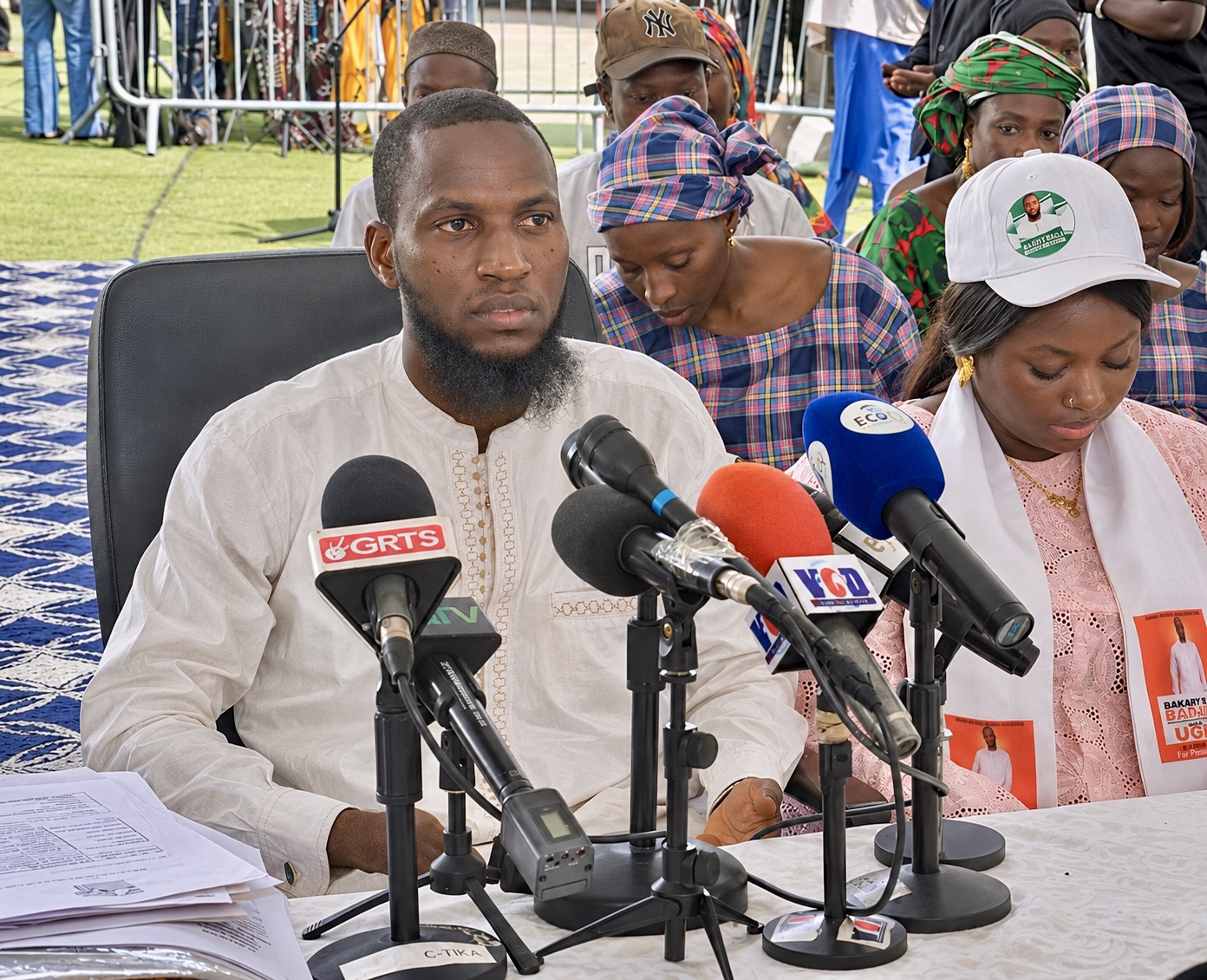
Presidential aspirant Hon. Bakary K. Badjie has pledged to make the fight against corruption the centerpiece of his campaign, promising improved public service delivery and stronger national development if elected in The Gambia’s December 5, 2026 presidential election.
Speaking during his nomination appearance before the Independent Electoral Commission (IEC), Badjie said the country continues to struggle with development largely because of persistent corruption and the failure to utilize public resources properly. He described The Gambia as being at a crossroads and questioned the kind of future Gambians want for themselves and the next generation.
“The responsibility that lies ahead of us is more than political parties. The responsibility that lies ahead of us is more than pride. The responsibility that lies ahead of us is for us to build our nation, the kind of nation that we want,” he said.
The National Assembly Member (NAM) pointed to persistent challenges in healthcare, salaries, and infrastructure, arguing that corruption remains the major obstacle to progress. “One of the things that is applicable and attainable is to tackle corruption. If we can tackle corruption, we will have the kind of nation that we want,” he stated.
He also criticized what he described as the unjust distribution of state lands among public officials, including National Assembly members, ministers, presidents, and vice presidents, saying such practices undermine national development. Public office, he insisted, should be viewed as an opportunity to serve citizens rather than a means of personal enrichment.
“Public office is not about enriching yourself. Public office is about the service that you are ready to offer to the Gambian citizen,” Badjie said.
Defending his record as a legislator, he noted that an individual NAM cannot determine Parliament’s direction on his own. His role, he explained, is to advocate for his constituents and help enact laws that advance national development. “It is not my responsibility to build roads, it is not my responsibility to build schools for you, but it is my responsibility to advocate for you and make good laws that will govern you and take you to the right place as a nation,” he said.
Badjie also disclosed that he recently received the Best Performing African Parliamentarian Award in Nairobi, describing the honor as recognition not only for himself but also for The Gambia. Asked about specific plans for education, healthcare and human rights, he promised improvements but did not outline detailed policy proposals during the exchange.
Meanwhile, fellow presidential aspirant Kebba Madi Bojang defended his decision to seek the presidency, arguing that his approach to development sets him apart. He said he has been investing his own personal resources in development initiatives to demonstrate his commitment before asking for the trust of Gambians.
“I am doing things which I have not seen any of the candidates doing from their own pocket,” Bojang said. He maintained that his understanding of the challenges facing ordinary Gambians qualifies him to lead, pointing voters to his proposals on security, education, healthcare and the economy, which he said are outlined in his manifesto available on his Facebook and YouTube platforms.
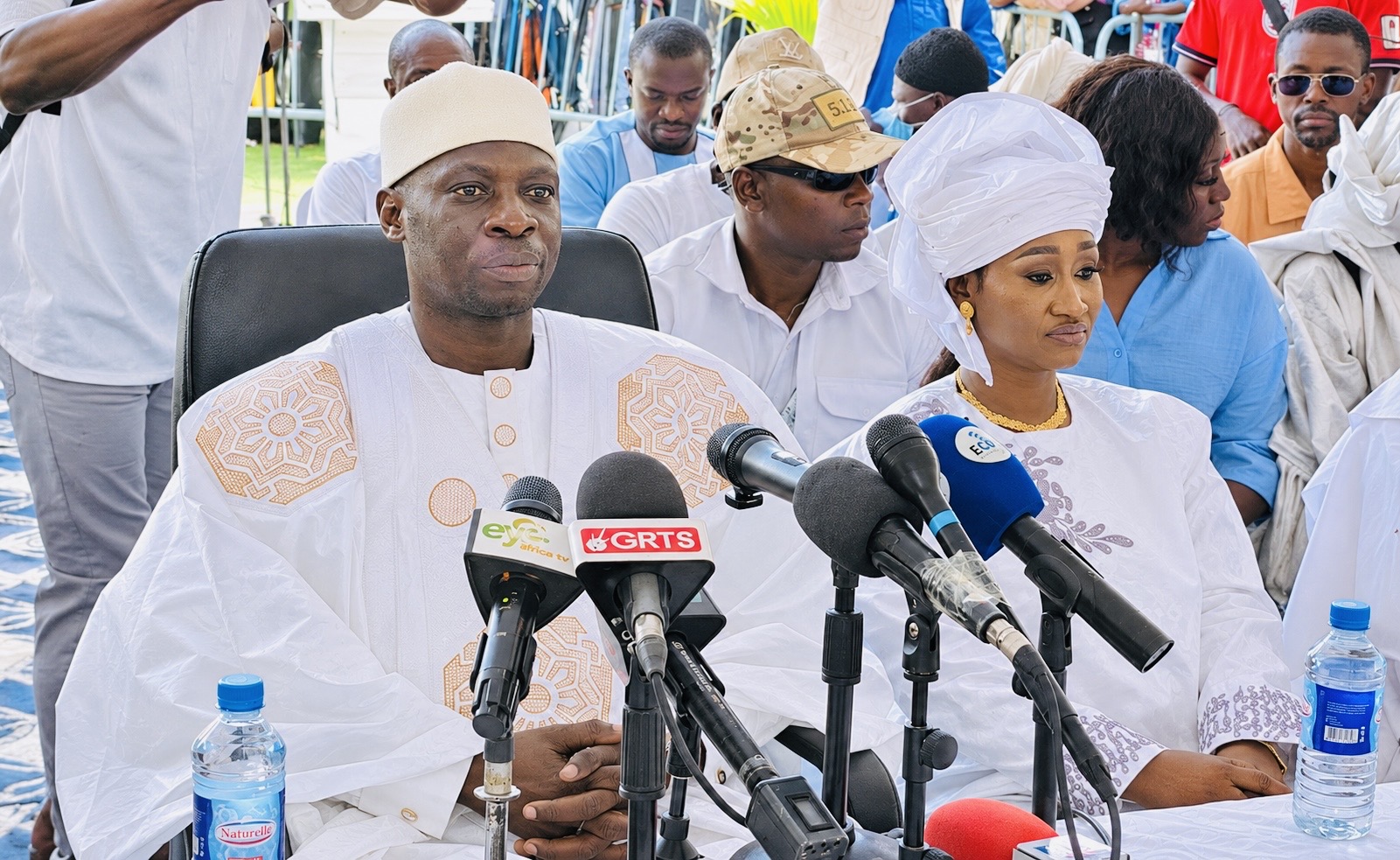
A former member of the National People’s Party, Bojang addressed questions about his previous association with the incumbent, saying he expects Gambians to judge him on his record and experience. On possible alliances, he indicated he would consider arrangements with other opposition parties but ruled out any alliance with the incumbent. He also expressed reservations about the findings of the commissions of inquiry, particularly the government’s White Paper, saying he was not satisfied with the process and its direction.
Both aspirants are now seeking to convince Gambians of their leadership credentials as preparations intensify for the December 5, 2026 presidential election.