By Fatou Dahaba
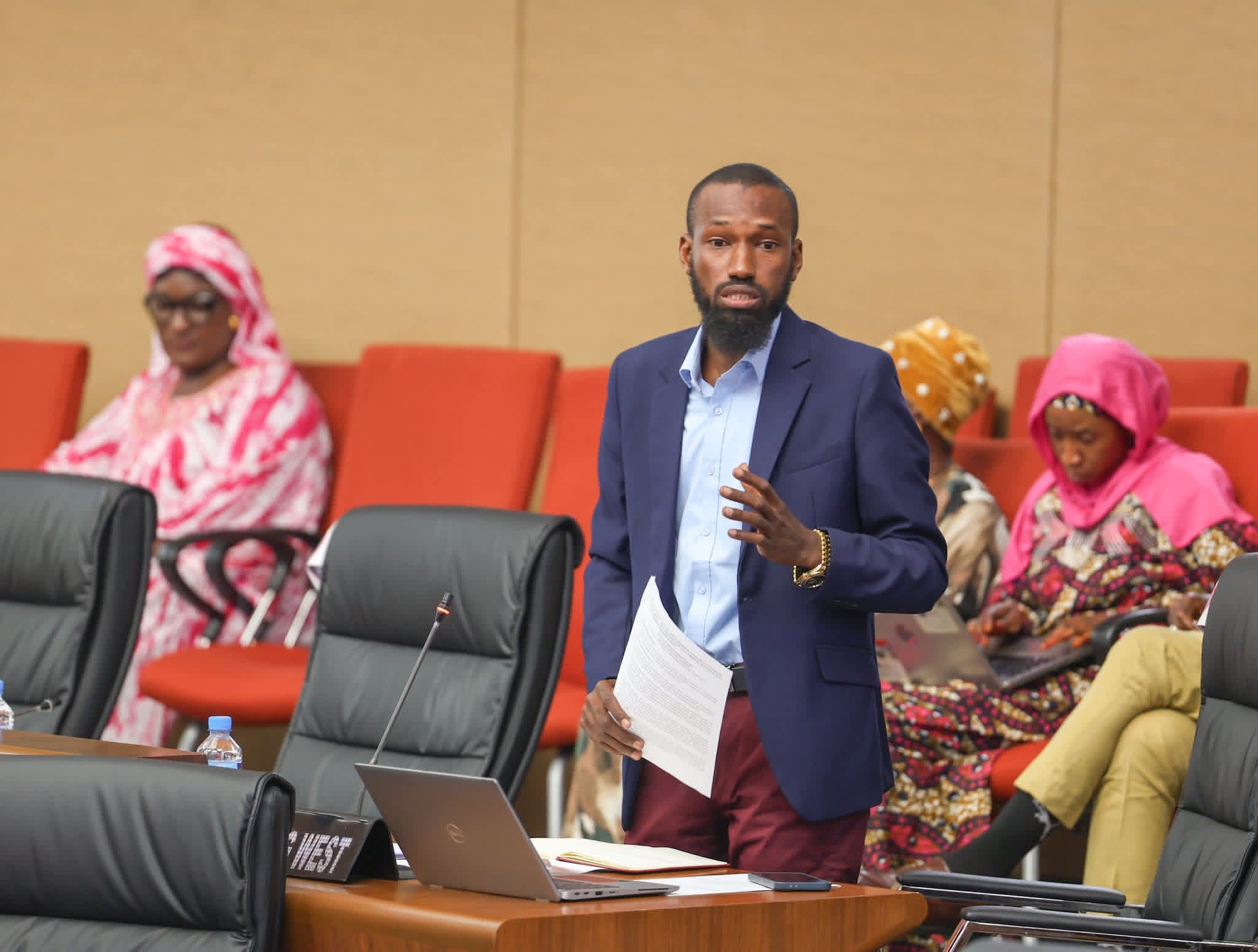
The Member of the National Assembly for Kiang West, Hon. Lamin Ceesay, has called for tighter legislative control over public spending, warning that legal gaps are undermining Parliament’s authority over the national budget.
Speaking during debate on the estimates of revenue and expenditure presented by the Minister for Finance and Economic Affairs, Ceesay argued that the National Assembly’s work risks becoming ineffective if large sums can later be moved across ministries and budget lines with limited oversight.
He pointed to what he described as a “gap in the law” that permits virements on a significant scale, sometimes without the direct approval of the budget entity concerned. According to the lawmaker, this practice weakens fiscal discipline and raises serious questions about accountability in managing public resources.
Ceesay told colleagues that a budget, once the National Assembly approves it, carries the force of law and should not be altered arbitrarily. He insisted that clear limits and controls are needed on how much money can be transferred from one line or institution to another after parliamentary approval. Citing audit findings and budget implementation figures, he said funds have been moved in ways that challenge the spirit of the Assembly’s original endorsement.
He urged fellow lawmakers to consider legal reforms that would close existing loopholes and strengthen the legislature’s oversight role.
Particular concern was directed at spending by the Office of the President. Ceesay claimed that while Parliament approved D50 million for presidential visits, actual expenditure had reached D75 million by July, exceeding the approved allocation. He questioned the signal such overruns send to other public institutions that are expected to operate within their budgets. “If this example is not shown by the Office of the President, which ministry can show the example?” he asked during the debate.
The Kiang West representative linked overspending to broader questions of national priorities. He argued that stronger spending controls could free resources for pressing social needs. He cited hospital overcrowding, the transport difficulties students face when traveling to the University of The Gambia, and poor sanitation in some communities.
In his view, greater budget discipline would let the government address these everyday challenges more effectively, rather than allowing unrestricted movement of funds after the estimates have passed.