By Momodou Gagigo
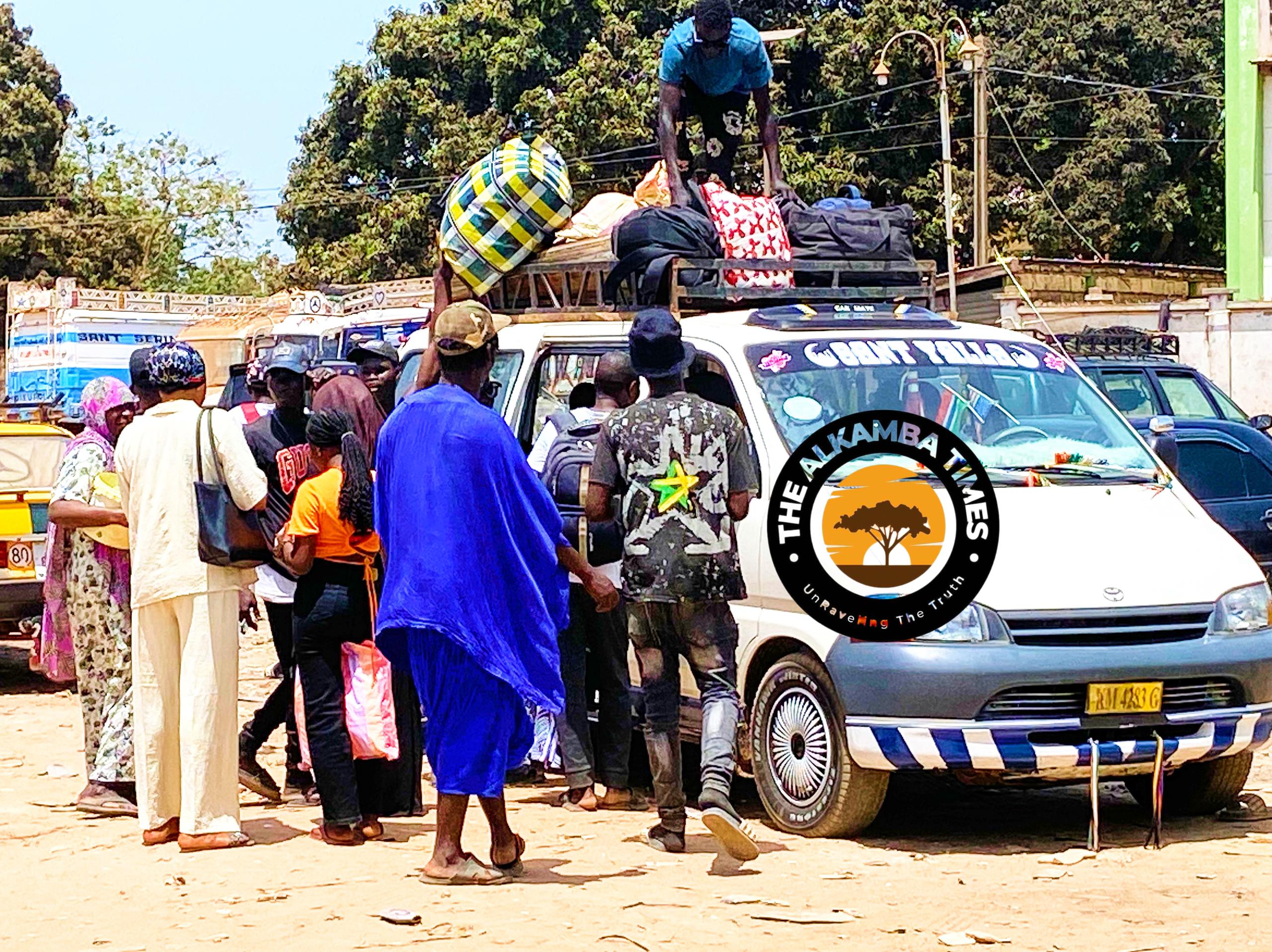
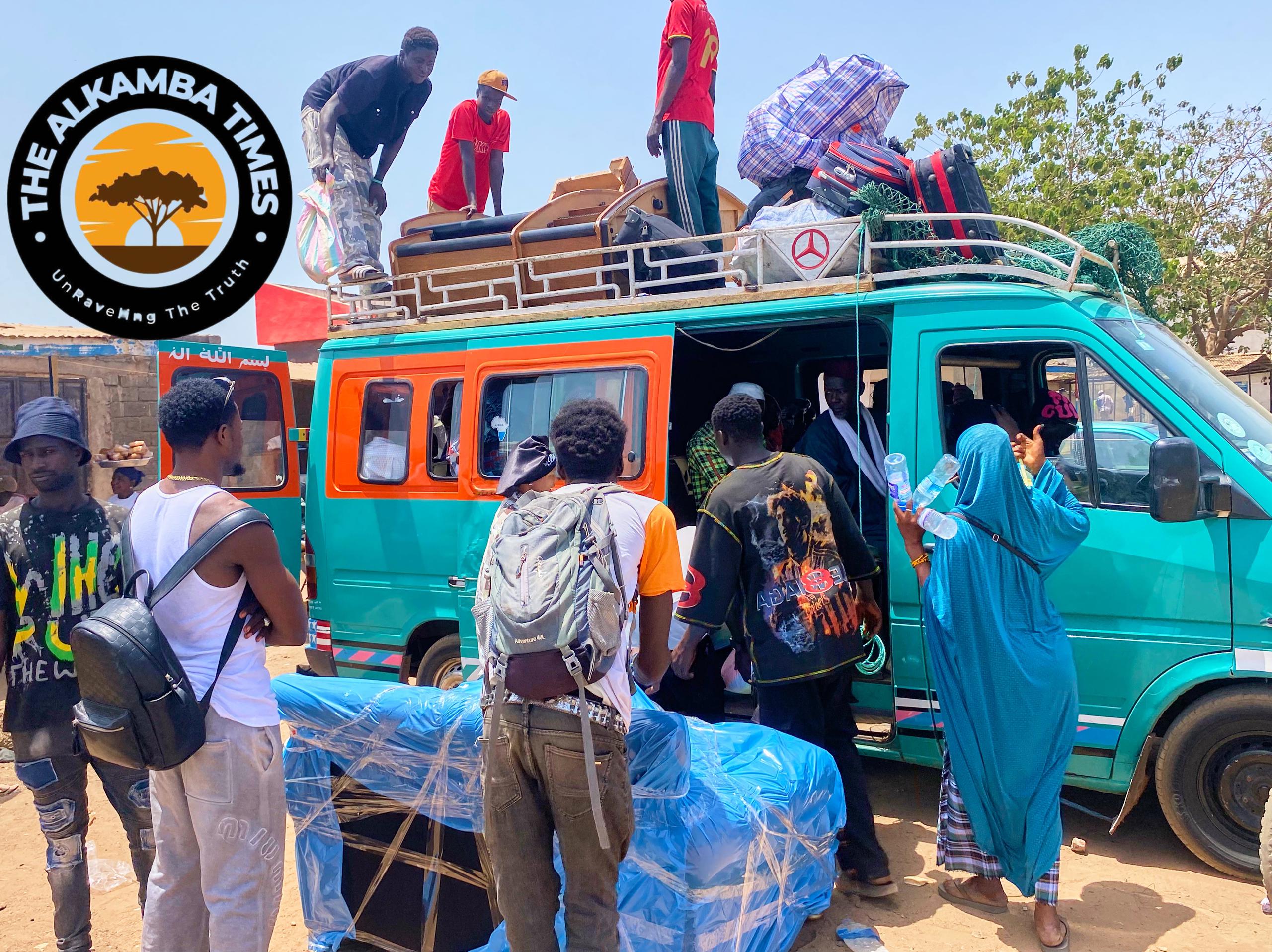
As Muslims across The Gambia gear up for the joyous celebration of Tobaski, the holy feast marking the end of the Hajj pilgrimage, a harsh economic reality is dampening the festive spirit for many families. With the celebration just a day away, commercial transport fares from the Greater Banjul Area to provincial towns and villages have skyrocketed, forcing travelers to grapple with costs that many describe as unbearable.
Every year, thousands of Gambians living in urban centers make the annual pilgrimage back to their native villages to observe Tobaski traditions—slaughtering rams, sharing meals, and reconnecting with extended family. This year, however, the journey home has become a significant financial hurdle amid rising living costs.
Passengers departing from Brikama, a major transport hub, are reportedly paying D500 to Soma, D700 to Farafenni, and up to D800 to Bansang. For families traveling together, these figures quickly add up to sums that strain already stretched budgets.
Musa Baldeh, a father of four preparing to head to Choya village in Niamina, expressed deep frustration. “I have four people to pay for, and each fare is D700,” he said. “That means I will spend D3,500 just to take my family to the village. It is very difficult. Tobaski is supposed to be a time of happiness, but this year the stress is too much.”
Similar sentiments were expressed by Salimatou Bah, who was traveling to Basse with her husband and son. “This journey is no longer easy,” she lamented. “The three of us will have to pay D2,400 just to reach Basse. Everything is expensive now—from food to fuel. We are managing, but it feels heavier every year.”
While passengers voice their discontent, commercial drivers maintain that the fare hikes are a necessary response to escalating operational costs rather than profiteering. Mansour Njie, a driver on provincial routes, pointed to fuel prices as the primary culprit. “Fuel is very expensive,” he explained. “Sometimes after transporting passengers and refilling the vehicle, you are left with almost nothing. We also have families to feed.”
Ablie Jallow, another driver, highlighted the seasonal imbalance in business. “The Tobaski travel rush is mostly a one-way business,” he noted. “When we take people to the provinces, there are usually no passengers coming back. Drivers are forced to charge higher fares during this period just to survive the empty return trips.”
The surge in transport costs comes against a backdrop of broader economic pressures in The Gambia, including high food prices and inflation that have tested household resilience. For many, the decision to travel has become a painful choice between honoring cultural and religious traditions and managing limited finances.
As Tobaski dawns, the scenes at busy transport parks reflect a mix of anticipation and anxiety. Families haggle, count crumpled dalasis, and hope for safe journeys, while the spirit of togetherness that defines the feast remains strong. Yet the soaring fares serve as a stark reminder of the everyday economic battles many Gambians face, even during moments meant for celebration and reflection.