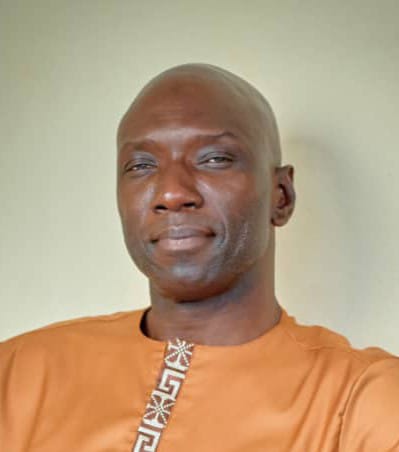
The sharp rise in the cost of rams has sparked widespread concern ahead of the Muslim feast of Tobaski, with prominent opposition politician and economist Dr. Ousman Gajigo linking the issue directly to the country’s worsening electricity crisis and government energy policy.
Dr. Gajigo argued that the two seemingly unrelated problems – prolonged power blackouts and expensive livestock – are economically intertwined through The Gambia’s heavy reliance on imported electricity and the resulting pressure on the dalasi.
“Many of the rams sold in The Gambia are imported from Senegal and other neighboring countries,” Dr. Gajigo noted. “The primary driver of their high cost is that the dalasi has significantly depreciated against the CFA franc. Between 2022 and today, the dalasi has lost over 30% of its value against the CFA.”
This currency depreciation, he explained, has made all imports from the region more expensive, compounding general price increases. The root cause, according to the economist, lies in the government’s approach to the energy sector.
Dr. Gajigo highlighted the severity of recent power outages, particularly in his Brusubi neighborhood, where residents endured more than 10 hours without electricity in a single 24-hour period. Average outages, he said, last around six hours. Similar complaints have emerged from rural areas, including the Upper River Region (URR), where households face equally disruptive blackouts.
“These electricity outages and the high cost of rams are directly connected,” he asserted. Since President Adama Barrow assumed power, the government has prioritized importing electricity from Senegal over developing domestic generation capacity.
Economically, Dr. Gajigo said, importing power is no different from importing any other commodity. A widening trade deficit exerts sustained downward pressure on the dalasi, creating a vicious cycle.
“At present, the volume of electricity we import from Senegal is several orders of magnitude greater than what we generate domestically,” he stated. Instead of investing in local power plants, the administration has focused on extending the national grid to additional villages — a move Dr. Gajigo described as a short-term electoral strategy rather than a sustainable development plan.
“This cynical use of electricity as a campaign tool is actively retarding infrastructural progress,” he charged. “The villages newly connected to the national grid are unlikely to enjoy reliable power after the election, precisely because the imported electricity underpinning that supply will become scarcer and more expensive.”
Dr. Gajigo warned that the consequences extend far beyond electricity bills. As the trade deficit grows due to increased imports — including power — the cost of living for ordinary Gambians continues to climb. Goods originating from Senegal, including rams for Tobaski, become more expensive as the dalasi weakens.
“What is the value of connecting another village to the national grid if the benefit is fleeting, and the collective cost of living continues to rise?” he asked. “As we gather with our families this Tobaski, let us reflect on our true national priorities. Genuine development should improve the standard of living of the average Gambian — not quietly erode it.”
Dr. Gajigo’s remarks come amid growing public frustration over both unreliable power supply and rising prices ahead of the important religious festival.