By Fatou Dahaba
Gambian lawmakers will return to the National Assembly on Monday, 8 June, for the Second Ordinary Session of the 2026 Legislative Year, armed with a robust agenda that promises intensified oversight, critical legislative debates, and enhanced accountability mechanisms.
The four-week session, running until 1 July, will see parliamentarians scrutinize the implementation of the 2026 National Budget, debate several major bills, and receive the government’s long-awaited response to the Janneh Commission assets report. A key institutional reform on the table is the proposed creation of a Standing Committee on Government Assurances to track executive promises and commitments.
Clerk of the National Assembly Kalipha M.M. Mbye, addressing a pre-session press briefing, confirmed that all procedural, logistical, and administrative arrangements have been finalised to guarantee smooth proceedings.
“The Second Ordinary Session of the 2026 Legislative Year is ambitious in scope and significant in national importance,” Mbye said. “We are procedurally prepared, administratively ready, and institutionally committed to supporting a productive Session that advances accountability, strengthens governance, and serves the best interests of the people.”
The session will open with a quarterly statement from the Minister of Finance on 2026 budget performance, allowing lawmakers to examine expenditure trends and question public spending priorities. Among the key legislation slated for debate are the Gambia Immigration Bill, the Urban Market Bill, the Cybercrime Bill, the Prerogative of Mercy Bill, and the Intellectual Property Bill.
A major highlight will come on 30 June, when the Vice President delivers the government’s official response to the Special Select Committee report on the sale and disposal of assets identified by the Janneh Commission. The report has been a subject of considerable public interest since its release.
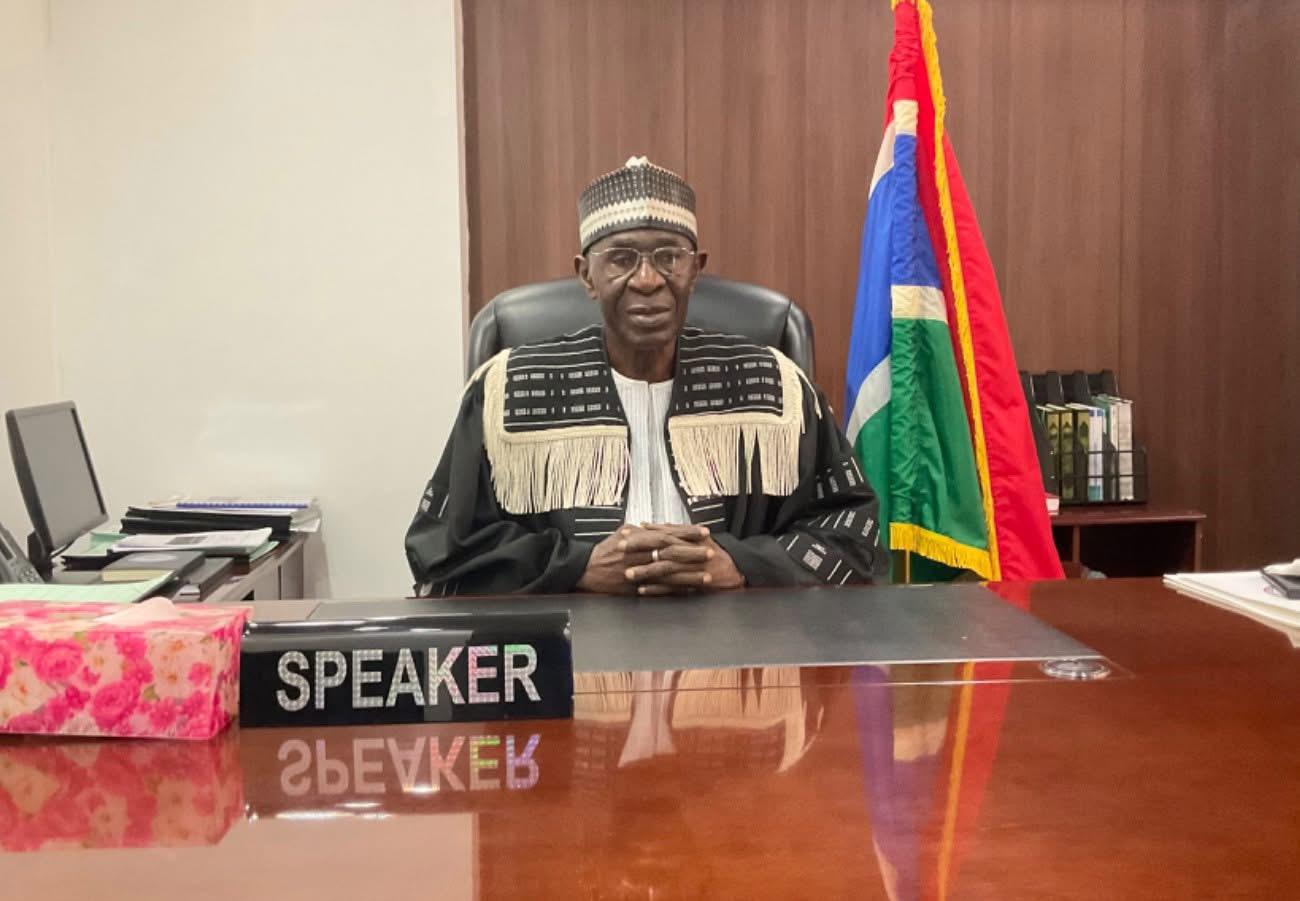
Speaker of the National Assembly Fabakary Tombong Jatta described the session as “ambitious, substantive, and reflective of a Parliament that continues to evolve in response to the aspirations of the Gambian people.” He emphasized the Assembly’s commitment to professionalism, integrity, openness, and transparency.
A central proposal during the session will be a motion by the Majority Leader and member for Kantora to establish a Standing Committee on Government Assurances. This new committee would monitor the implementation of Assembly resolutions, committee recommendations, and executive commitments made on the floor of Parliament.
Clerk Mbye noted that the reform would significantly strengthen the legislature’s oversight role and improve accountability.
Parliamentary leaders also addressed concerns about ministerial accountability during the briefing. They stressed that ministers remain answerable to Parliament and could face sanctions for failing to appear before the House without prior approval. Regarding balancing legislative duties with election-year politics, leaders assured citizens that national business would continue to take precedence.
The Assembly leadership reaffirmed its open-door policy towards the media, describing journalists as vital partners in democratic governance. They encouraged reporters to seek clarifications to ensure accurate and responsible coverage of parliamentary proceedings.
As the Second Ordinary Session begins, expectations are high that lawmakers will deliver tangible results on governance, legislative reform, and public accountability.
With the nation watching closely, the coming weeks will test the Assembly’s ability to translate its ambitious agenda into meaningful outcomes for Gambians.