By Fatou Dahaba
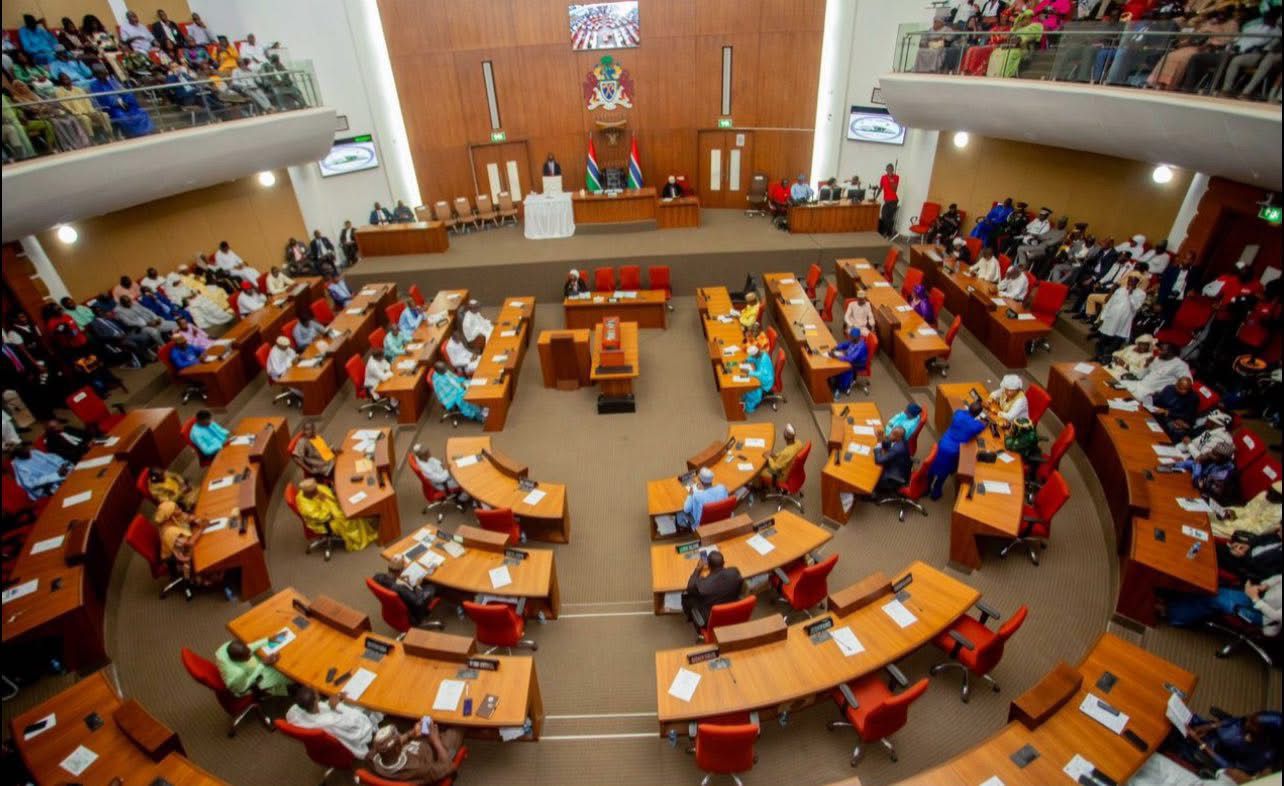
The National Assembly has ratified the Marrakesh Treaty to Facilitate Access to Published Works for Persons Who Are Blind, Visually Impaired or Otherwise Print Disabled, in a move intended to expand access to books and other reading materials for people living with visual and print disabilities in The Gambia.
The motion was tabled by Attorney General and Minister of Justice Dawda A. Jallow, who told lawmakers that the treaty is an important instrument for equality, inclusion and social justice. Jallow said it would facilitate the production and cross-border exchange of accessible-format copies of published works, including braille, large print and audio versions, for persons who are blind, visually impaired or otherwise print disabled.
Ratification, he argued, would help reduce barriers to education, information, culture and full participation in national life. “It is consistent with The Gambia’s commitment to human dignity, equal opportunity and the protection of the rights of persons with disabilities,” Jallow said as he urged members to support the motion.
The motion was seconded by Hon. Suwaibou Touray, Member for Wuli East, who said the treaty complements other measures already taken to support persons with disabilities.
In the debate that followed, Hon. Bakary Badgie, Member for Foni Bintang, welcomed the treaty as a necessary step toward greater inclusion, particularly for people who struggle to access printed materials.
Hon. Lamin Ceesay, Member for Kiang West, stressed that persons with disabilities still face daily challenges and said international commitments must be matched by effective implementation of domestic law. He called for closer alignment between the treaty and existing legislation, including the Persons with Disabilities Act and intellectual property laws.
Hon. Alagie S. Darboe, Member for Brikama North and Minority Leader, noted that although the treaty was adopted in 2013 and entered into force in 2016, The Gambia was only now ratifying it. The delay, he said, should not stop the country from advancing an agreement directly relevant to equality, inclusion and education.
Responding to members’ concerns, Jallow said not all treaties require full domestication, but agreed that the Marrakesh Treaty would likely need some domestic legal action. He said the intellectual property bill currently before the Assembly may already address some of its provisions, adding that a review would ensure full alignment where necessary.
He also clarified that access under the treaty would be limited to intended beneficiaries and would not be used for commercial purposes or to undermine copyright holders’ rights.
The Marrakesh Treaty is an international copyright agreement adopted by the World Intellectual Property Organization on 27 June 2013 in Marrakesh, Morocco. It was designed to improve access to books and other published works for people who are blind, visually impaired or otherwise print disabled.
Countries that join the treaty must introduce exceptions and limitations to copyright so that published works can be produced in accessible formats without unnecessary legal barriers. It also allows authorized entities serving people with print disabilities to share those accessible copies across borders.